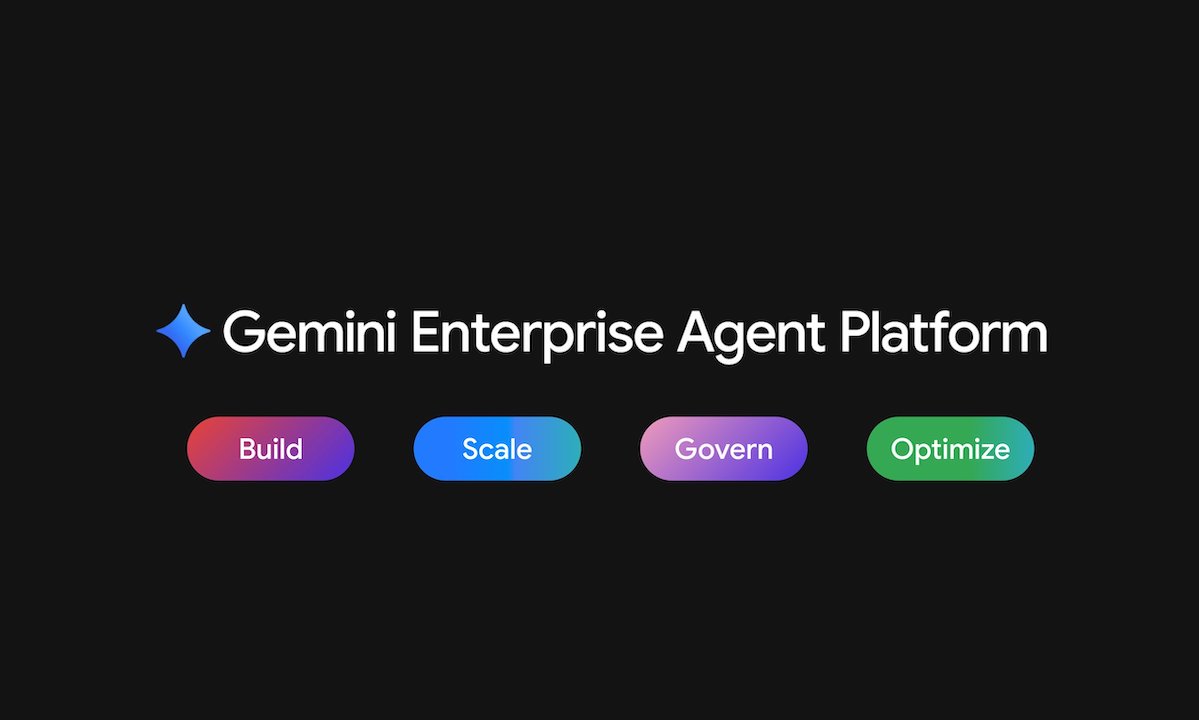
Google has moved to streamline its enterprise artificial intelligence offerings by consolidating its agent-building tools into a unified framework. The shift addresses a primary friction point for corporate adoption, where the process of building an AI agent and the subsequent task of integrating that agent with live, proprietary data streams have historically functioned as siloed operations. By bringing these capabilities under one roof, the company aims to reduce the technical overhead required for businesses to deploy functional, data-aware agents at scale.
Integrating Data Pipelines with Agent Logic
The core of this update focuses on the bridge between large language models and internal enterprise systems. Previously, developers often faced fragmented workflows when attempting to ground AI agents in real-time data. This consolidation suggests a strategic pivot toward making the agent-building process more modular. By embedding data connectivity directly into the development environment, Google is attempting to lower the barrier for companies that possess significant data assets but lack the specialized engineering resources to build custom integration layers.
This move carries implications for the broader software-as-a-service landscape. As enterprise clients prioritize utility over experimental features, the ability to maintain data integrity while allowing agents to execute tasks across disparate systems becomes a competitive differentiator. The shift reflects a growing industry trend where the value of an AI platform is measured by its ability to act as a reliable interface for existing business processes rather than just a generative content engine.
Valuation and Competitive Positioning
Alphabet Inc. Class A currently holds an Alpha Score of 75/100, reflecting a moderate outlook as the company navigates the transition from search-based revenue to AI-integrated enterprise services. The stock, trading at $339.11 with a marginal decline of 0.06% today, remains a central component of the Communication Services sector. Investors are increasingly looking for tangible evidence that these infrastructure updates lead to higher adoption rates among enterprise clients, as seen on the GOOGL stock page.
For companies operating in this space, the race to provide a seamless agent architecture is intensifying. Competitors like Apple (AAPL) and NVIDIA (NVDA) are also building out their own ecosystems to capture enterprise spend. The success of this consolidation will depend on how effectively Google can convince legacy enterprises that its platform offers a secure and scalable alternative to building bespoke internal solutions.
- Unified agent development environment.
- Direct integration with proprietary data streams.
- Reduced technical friction for enterprise deployment.
This development sets the stage for the next phase of enterprise AI adoption. The immediate marker for success will be the rate of integration among existing cloud customers and the subsequent impact on platform-wide usage metrics. Future updates to the platform will likely focus on security protocols and compliance features, which remain the final hurdles for widespread corporate adoption of autonomous agent workflows. As the market continues its stock market analysis of the sector, the focus will shift toward whether these tools can drive measurable efficiency gains in enterprise operations.