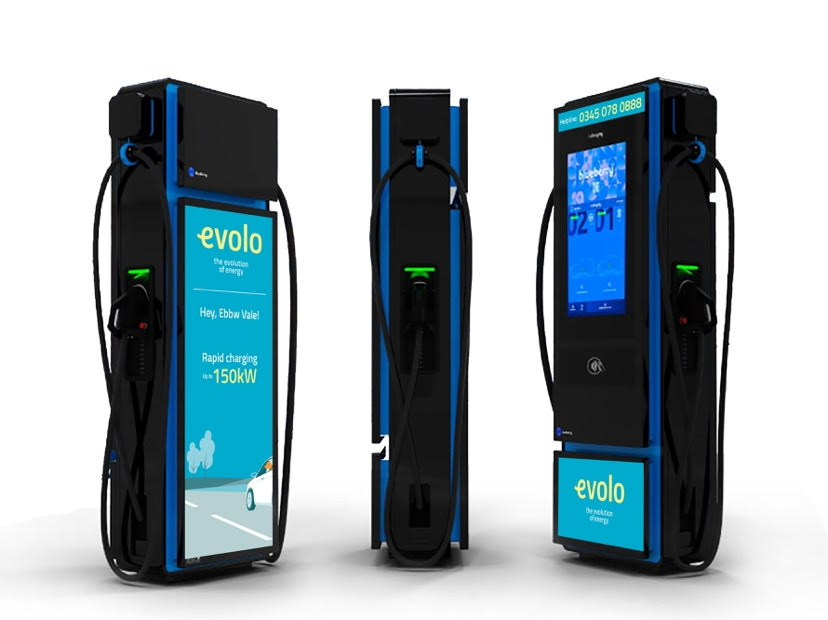
Certas Energy Shifts Infrastructure Strategy with Evolo Rapid Charge Launch

Certas Energy is diversifying its UK fuel distribution model by launching a proprietary rapid EV charging network, signaling a strategic shift toward electrified transport infrastructure.
Alpha Score of 55 reflects moderate overall profile with moderate momentum, moderate value, moderate quality. Based on 3 of 4 signals — score is capped at 90 until remaining data ingests.
Alpha Score of 47 reflects weak overall profile with moderate momentum, poor value, moderate quality. Based on 3 of 4 signals — score is capped at 90 until remaining data ingests.
Alpha Score of 36 reflects weak overall profile with moderate momentum, poor value, moderate quality. Based on 3 of 4 signals — score is capped at 90 until remaining data ingests.
Alpha Score of 45 reflects weak overall profile with strong momentum, poor value, poor quality, weak sentiment.
Certas Energy, the largest independent fuel distributor in the United Kingdom, is pivoting its operational footprint by launching Evolo Rapid Charge. This move marks a transition from traditional liquid fuel distribution to the integration of electric vehicle charging infrastructure. The company is positioning its own sites as the primary nodes for this new network, signaling a strategic shift in how independent distributors manage the transition toward electrification.
Infrastructure Integration and Asset Utilization
The deployment of rapid charging technology at existing fuel distribution sites represents a direct attempt to capture the growing demand for high-speed charging in the commercial and private transport sectors. By utilizing its existing land holdings, Certas Energy is bypassing the need for greenfield site acquisition, which often entails significant regulatory and logistical hurdles. This approach allows the company to maintain its role as a fuel provider while diversifying its energy delivery mechanism to include electricity.
The decision to own and operate these charging points suggests a long-term commitment to controlling the customer experience and the energy supply chain. For independent distributors, the challenge lies in balancing the declining volume of traditional diesel and petrol sales against the capital expenditure required to build out a reliable charging network. This transition is particularly critical for firms that rely on high-traffic locations to maintain throughput.
Market Positioning and Energy Demand
The shift toward EV infrastructure reflects broader changes in the UK energy market as fleet operators and private consumers move away from combustion engines. Certas Energy is leveraging its established logistics and supply chain network to support the rollout of these rapid chargers. The success of this strategy will depend on the company's ability to maintain high utilization rates at its charging hubs, which is a departure from the volume-based model of liquid fuel sales.
As the energy landscape evolves, the following factors will determine the viability of this infrastructure expansion:
- The integration of grid capacity at existing fuel depots to support high-speed charging loads.
- The conversion rate of commercial fleet customers from diesel to electric vehicles.
- The ability to maintain competitive pricing against established national charging networks.
This development highlights the ongoing transformation within the commodities analysis sector as traditional distributors adapt to shifting energy consumption patterns. While liquid fuels remain the core of the business, the introduction of rapid charging infrastructure provides a hedge against the long-term erosion of fossil fuel demand. The company is effectively attempting to future-proof its physical assets by repurposing them for an electrified transport economy.
AlphaScala data indicates that independent fuel distributors are increasingly prioritizing site-level energy diversification to mitigate the risks associated with volatile liquid fuel demand. This trend is consistent with broader shifts observed in crude oil profile markets, where downstream players are seeking to stabilize revenue streams through service-based energy offerings.
The next concrete marker for this strategy will be the pace of the rollout across the company's wider network and the subsequent impact on capital expenditure reporting. Investors and industry observers should look for updates regarding grid connection timelines and the specific uptake rates among commercial fleet clients, as these will serve as the primary indicators of the project's scalability and financial contribution to the firm's broader energy portfolio.
AI-drafted from named sources and checked against AlphaScala publishing rules before release. Direct quotes must match source text, low-information tables are removed, and thinner or higher-risk stories can be held for manual review.