Commodities● Neutral
Gold's $4,000 Bounce Tested as Peace Deal Speculation Mounts
Gold slipped 0.3% to $4,201.61 after dipping near $4,000 on Thursday. A US-Iran peace deal and strong consumer sentiment data undercut safe-haven demand. The next round of talks will determine if $4,000 holds.
Continue with
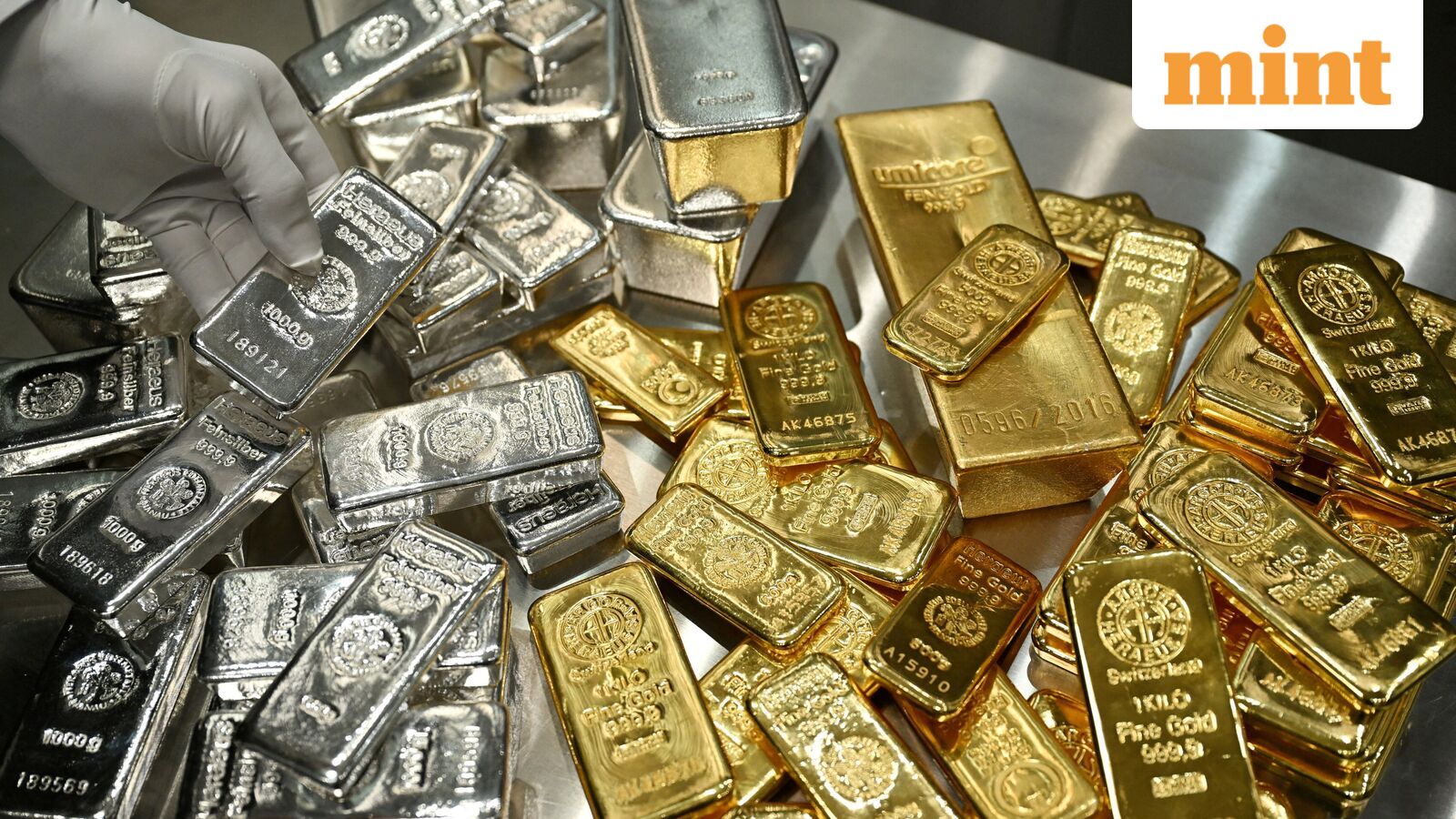
Gold slipped to near $4,000 an ounce this week before bouncing. Speculation over a US-Iran peace deal and a pickup in US consumer sentiment undermined safe-haven demand. Spot gold fell 0.3% to $4,201.61 by 11 a.m. in New York on Friday, after dipping close to $4,000 on Thursday. Silver dropped 0.6% to $66.90. Platinum and palladium also declined.
The move accelerated after gold broke below its 200-day moving average, triggering additional selling, according to Bloomberg. The metal now trades about a fifth below the level it held before the war began at the end of February. The rebound off $4,000 was sharp. Gold is still headed for a second consecutive weekly loss.
The catalyst was a twofold shift in macro sentiment. The University of Michigan consumer sentiment index rose more than expected. The survey also showed inflation expectations easing slightly. That combination reduces the case for holding gold as a hedge against stagflation. At the same time, renewed talk of a diplomatic resolution between the US and Iran undercut the risk premium priced into bullion since the conflict escalated.
The data left the dollar little changed. The gold move was driven by geopolitics and the rates outlook, not currency mechanics. For traders watching the $4,000 level, the question is whether the bounce is a consolidation before another leg lower or the start of a positioning reset.