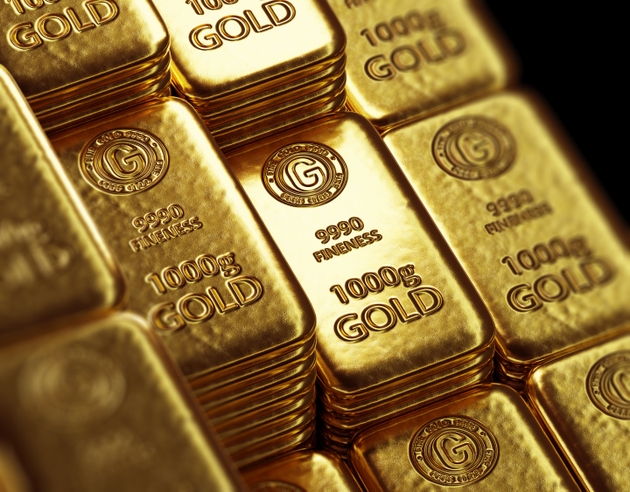
Gold and silver surged Monday as traders priced in a preliminary U.S.-Iran peace deal that would reopen the Strait of Hormuz, a senior administration official told Reuters. Spot gold rose 1.8% to $2,045 an ounce, its biggest one-day gain in three weeks. Silver added 3.2%, hitting $24.80.
The rally flipped the narrative that had dominated gold trading since mid-February. Until Monday, the metal had been grinding lower. Strong U.S. economic data had pushed rate-cut expectations deeper into the year. A peace deal changes both the geopolitical risk premium and the rate outlook in one move.
Lower oil prices are the transmission mechanism. The Strait of Hormuz carries about 20% of global crude supply. A reopening would push Brent crude toward $75 a barrel, down from $82 Friday, several analysts said. That drop would pull inflation expectations lower, giving the Federal Reserve room to cut rates sooner than the market had priced.
Fed funds futures shifted after the news. The probability of a June rate cut rose to 38% from 28% Friday, CME data showed. A September cut is now fully priced. Gold benefits from both the lower opportunity cost of holding a non-yielding asset and the weaker dollar that typically follows a dovish repricing.
The move also triggered short covering. Open interest in gold futures had fallen 12% over the prior two weeks. Momentum traders exited. The sharp reversal caught late shorts. Volume on Monday was 40% above the 20-day average, exchange data showed.
Not everyone is buying the rally at these levels. The peace deal is preliminary. Reopening the Strait of Hormuz would take weeks to implement even if the framework holds. Gold's $2,050 resistance zone, as shown in the gold profile, has rejected three attempts since December. A close above $2,060 would be needed to confirm the breakout, traders said.
Silver outperformed gold on the session, a pattern that typically signals speculative demand rather than hedging. The gold-silver ratio dropped to 82.5 from 84.2 Friday. Silver's industrial demand component also got a lift from the lower oil price, which reduces input costs for manufacturers.
GLD, the SPDR Gold Trust, rose 1.7% on the session. The GLD stock page shows an Alpha Score of 28 out of 100, a Weak rating on AlphaScala's proprietary model. The score reflects the fund's concentrated exposure to a single commodity and the current uncertainty around the peace deal's durability.
The next catalyst is the U.S. CPI print Wednesday. A soft number would reinforce the rate-cut narrative and push gold toward $2,080. A hot print would test whether the geopolitical bid can hold without monetary policy support. The Strait of Hormuz talks resume Thursday in Baghdad.