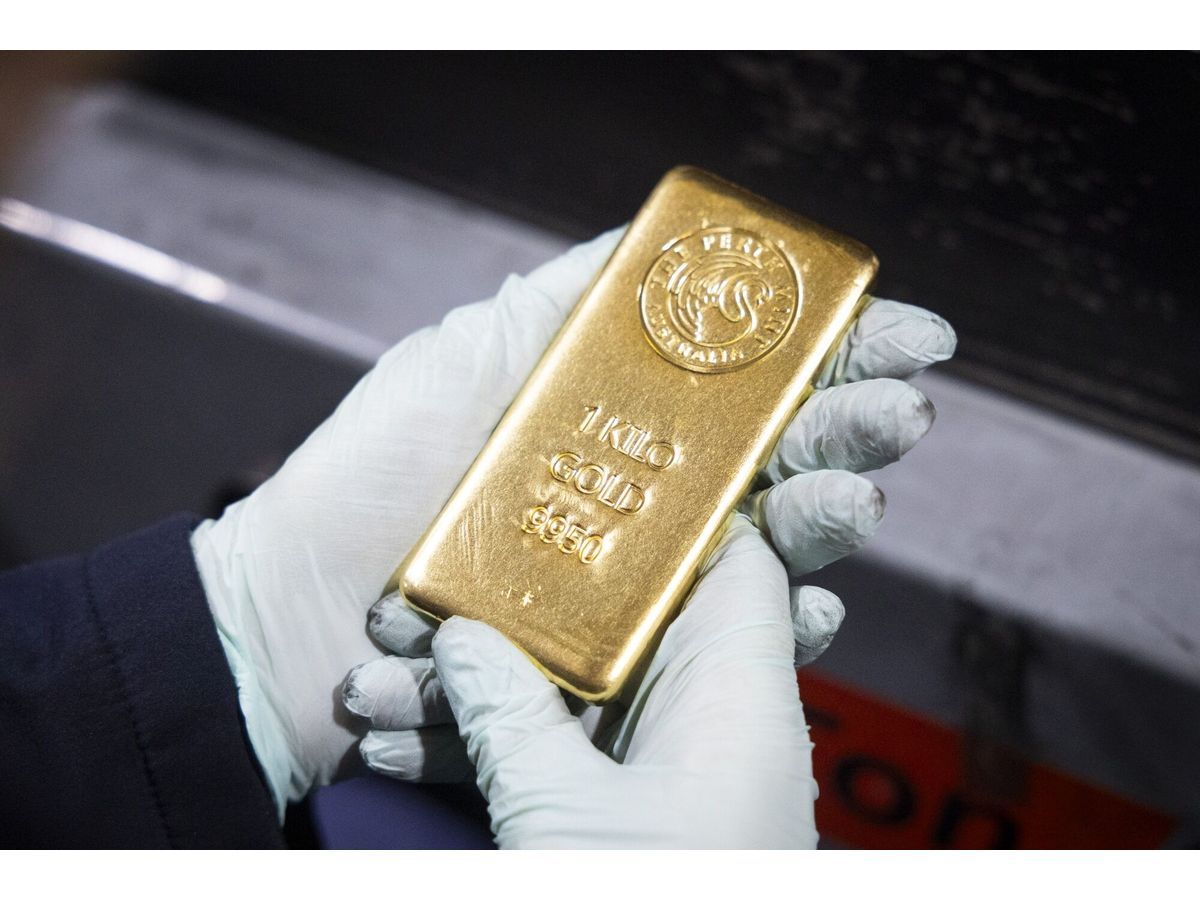
Gold prices retreated following reports of vessels coming under fire in the Strait of Hormuz over the weekend. While the precious metal often functions as a traditional hedge against geopolitical instability, the immediate market reaction favored a rotation into energy-linked assets as participants priced in the potential for renewed supply chain disruptions. This shift highlights how energy-sensitive inflation concerns can temporarily displace gold from its role as a primary safe-haven asset when the catalyst for uncertainty is a direct threat to global oil flow.
Energy Supply Volatility and Inflationary Pressure
The Strait of Hormuz remains a critical chokepoint for global crude oil transit. Any escalation in this region forces a recalibration of risk premiums across energy markets, which often leads to a broader repricing of inflation expectations. When energy costs are perceived to be at risk of a supply-driven spike, the resulting inflationary pressure can weigh on gold by altering the real rate environment. Investors often move to hedge against the specific commodity driving the inflation, in this case crude oil, rather than relying on gold as a generalized store of value during the initial shock phase. For more on the mechanics of these shifts, see our latest commodities analysis.
Capital Rotation and Asset Correlation
Gold typically benefits from flight-to-quality flows during periods of geopolitical tension. However, the specific nature of the Hormuz incident creates a direct link to energy prices that can override standard safe-haven dynamics. The current market behavior suggests that capital is being redirected toward energy-exposed sectors to capture the volatility in oil prices. This rotation away from gold reflects a tactical preference for assets that offer a direct hedge against potential energy-driven cost increases.
- Energy-linked assets capture immediate risk premiums from transit chokepoints.
- Gold faces selling pressure as real rate expectations adjust to potential energy-driven inflation.
- Geopolitical risk in the Strait of Hormuz creates a divergence between energy and precious metals.
AlphaScala data currently tracks various market segments through our proprietary scoring system. Amer Sports, Inc. (AS stock page) holds an Alpha Score of 47/100 with a Mixed label, while Agilent Technologies, Inc. (A stock page) maintains an Alpha Score of 55/100 with a Moderate label. These scores reflect broader sector trends in consumer and healthcare markets that remain distinct from the immediate volatility seen in the energy and precious metals space.
Investors should monitor the next set of tanker traffic reports and official statements regarding the security of the Strait of Hormuz. The persistence of these security threats will determine whether the current rotation into energy assets remains a short-term tactical move or evolves into a sustained trend that keeps gold under pressure. The next concrete marker for this market will be the release of updated energy inventory figures and any subsequent diplomatic responses from regional powers, which will clarify the extent of the disruption to global supply chains.