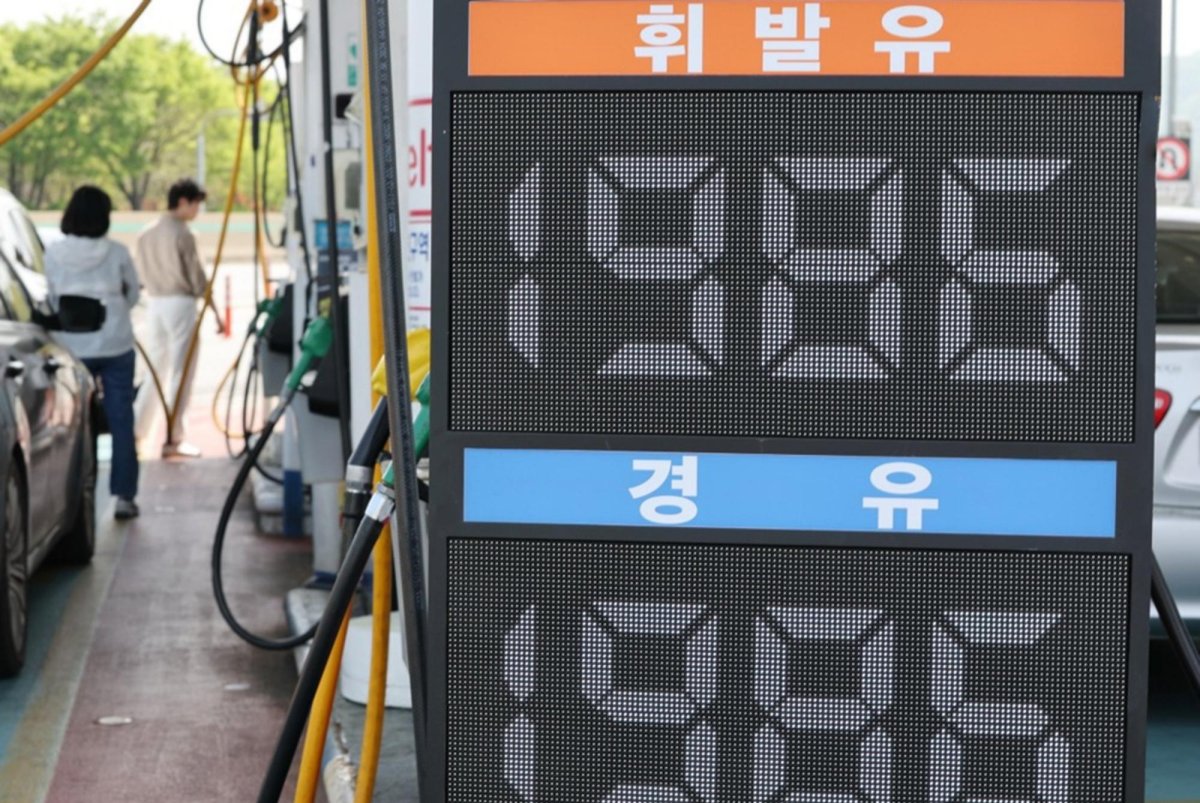
South Korean retail fuel prices have climbed for three consecutive weeks, bringing both gasoline and diesel to the brink of the 2,000 won per liter threshold. This sustained upward trajectory reflects broader volatility in global energy markets that directly impacts import-dependent economies. As domestic pump prices approach this psychological and economic barrier, the pressure on local logistics and consumer discretionary spending intensifies.
Supply Chain and Import Cost Pressures
South Korea remains heavily reliant on imported crude oil to meet its domestic energy requirements. Fluctuations in global benchmark prices are transmitted rapidly to the local market, where refined product costs are tied to international supply conditions and regional refining margins. When global crude prices experience upward momentum, the lag between import acquisition and retail distribution typically results in a multi-week climb in station prices. The current trend suggests that the cost of refined products is being passed through to consumers with minimal absorption by domestic distributors.
Logistical constraints and regional supply chain strains often exacerbate these price movements. As seen in other markets facing similar pressures, such as the nighttime fuel curfews signaling supply chain strain in Thailand, the ability to maintain steady inventory levels is critical. In South Korea, the combination of rising import costs and the logistical requirements of maintaining national reserves creates a rigid pricing environment where retail costs remain sensitive to every incremental shift in global supply availability.
Seasonal Demand and Market Linkages
Seasonal shifts in energy consumption patterns often coincide with these price adjustments. Increased demand for transport fuels during periods of higher economic activity can tighten local inventories, providing further support for retail price hikes. While the current rise is largely attributed to external import costs, the internal demand profile in South Korea ensures that any tightening in global supply is felt immediately at the pump. This relationship is particularly evident when comparing energy-intensive sectors to broader industrial performance.
AlphaScala data currently reflects a mixed outlook for technology and healthcare sectors, which are sensitive to energy-driven inflation. For example, ON Semiconductor Corporation holds an Alpha Score of 45/100, while Agilent Technologies, Inc. maintains a score of 55/100. These metrics highlight how broader market participants evaluate companies that must navigate the rising cost of operations in an environment where energy prices remain elevated.
For a deeper look at how these energy trends interact with other asset classes, readers can review our commodities analysis or the latest updates on crude oil profile dynamics. The next concrete marker for this trend will be the upcoming weekly reporting on average pump prices, which will determine if the 2,000 won per liter level is breached or if current supply-side adjustments provide enough relief to stabilize retail costs.