Commodities● Neutral
Gold Eases as Iran Tensions Test Bullion's Safe-Haven Bid
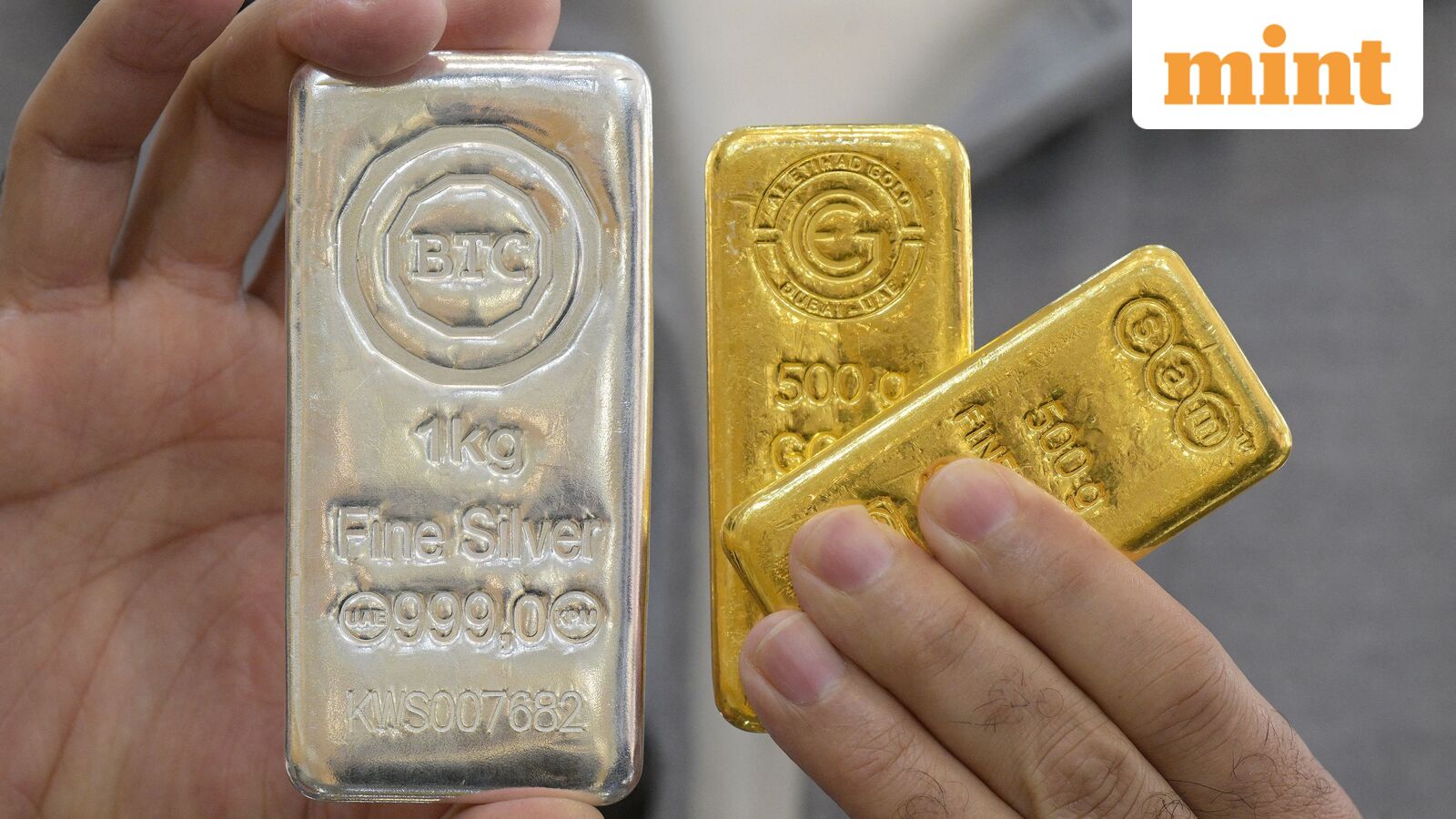
Gold eased 0.28% on MCX as Iran tensions tested safe-haven demand. Silver rose 0.10%. Tanker traffic through Hormuz slowed to 13 crossings, down from 33 daily average.
Continue with
Gold prices slipped across Indian retail markets on Friday as a 0.28% decline in MCX futures tempered the metal's safe-haven appeal despite renewed US-Iran tensions. Silver edged higher, a split that suggests traders are pricing regional disruption risk against a stronger dollar.
MCX gold futures traded at ₹145,460 per 10 grams around 9:08 am, down from Thursday's close. Silver was up 0.10% at ₹227,160 per kg. In Delhi, 24-karat gold fell to ₹144,940 per 10 grams. Mumbai quoted ₹145,190, while Kolkata and Chennai posted ₹144,980 and ₹145,600 respectively.
The catalyst was geopolitical, not macro. US President Donald Trump told reporters Wednesday evening that he does not know whether Washington and Iran are sliding back into full-fledged war. He added that Iran "badly" wants a deal and said American forces had "just hit [Iran] very hard." His comments came after oil tanker traffic through the Strait of Hormuz slowed sharply. Only 13 tankers crossed on Wednesday, down from a daily average of 33 over the prior week, according to Matt Smith, director of commodity research at Kpler. CNBC US reported that the ships either followed Iran's controlled route or turned off their transponders to avoid tracking.
For gold, the reaction was muted. A 0.28% decline is not a panic bid. That signals that the market sees the threat as real but contained. The Strait chokepoint matters for crude supply, not directly for bullion. Gold's safe-haven flow typically follows a sustained disruption in financial conditions or a dollar sell-off. Neither materialised on Friday morning.