Commodities● Neutral
Gold Bounces on US-Iran Ceasefire; Trump Approval Next Hurdle
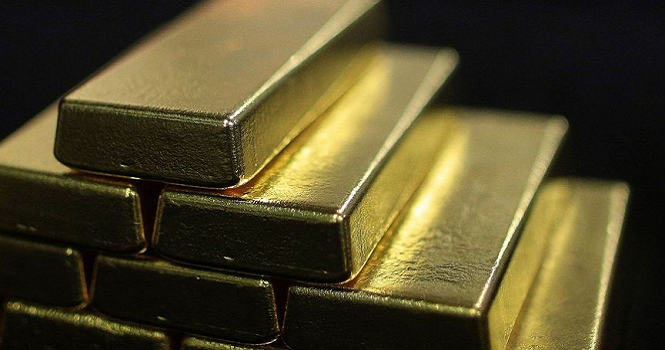
Gold rebounded from a two-month low after US-Iran ceasefire reports. The bounce is mechanical; confirmation requires Trump's signature. Watch the two-month low as key support.
Continue with
Gold edged up 0.1% to $4,505.57 an ounce on Friday after Reuters reported a pending U.S.-Iran ceasefire extension. The move reversed a two-month low hit on Thursday. That low had been driven by persistent inflation fears and the prospect of prolonged high interest rates – factors that still support bullion. The metal is down about 0.1% for the week, meaning Friday’s bounce reclaims only the ground lost in the prior session, not a fresh breakout.
The ceasefire report also indicated the deal would ease shipping restrictions through the Strait of Hormuz. President Donald Trump has not yet approved the agreement. Iranian state media called it unfinished. Execution risk is therefore the binding constraint on this catalyst.
What the Ceasefire Report Actually Changed
The simple read: a U.S.-Iran détente removes a geopolitical risk premium, safe-haven flows unwind, and gold finds a bid as traders reassess the supply disruption scenario. That interpretation assumes the deal is locked in. It is not.
The Thursday low near $4,450 (implied from the session’s range) marked an oversold condition on the daily RSI. Algorithmic and systematic funds triggered long positions when the headline crossed. That mechanical reaction does not confirm a shift in fundamental sentiment. It is a position-adjustment trade.
The better read separates the headline from the outcome. A confirmed ceasefire would reduce the risk of a Strait of Hormuz closure, which directly affects oil shipping costs and, through the inflation channel, gold’s correlation with real yields. A failed deal, by contrast, would reset the geopolitical premium higher, putting gold back under pressure if rates remain elevated. The market is now pricing a binary outcome, not a smooth path.