Gold and Silver Lose Early 2026 Gains as Dollar Resurges
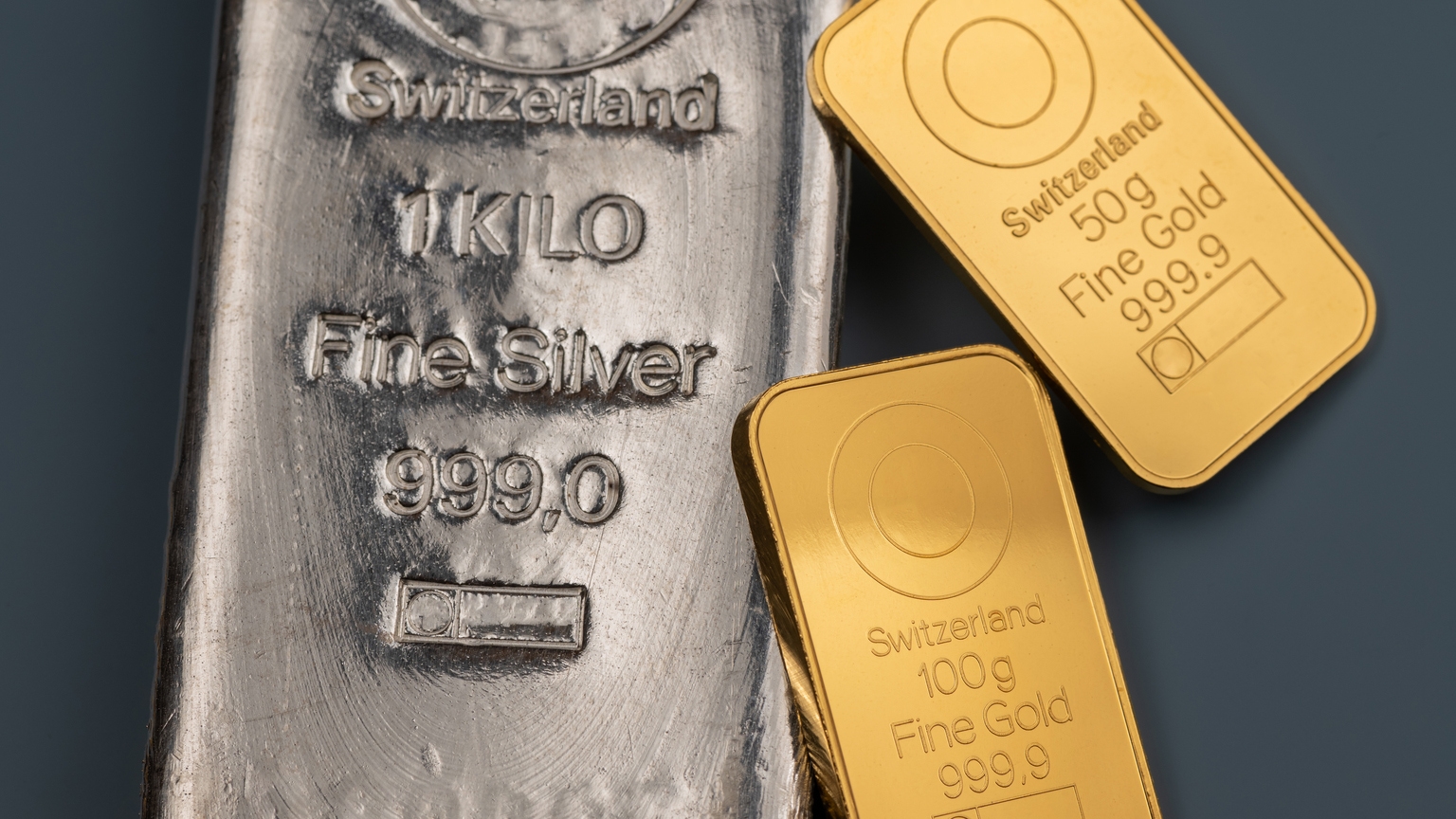
Gold fell 3.2% and silver 5.1% in two sessions as a stronger dollar and rising real yields reversed January's rally. The payrolls report Friday will decide whether the selloff deepens or sparks a bounce.
Gold and silver have given back their early-2026 gains. The rally that carried bullion to a new high in January and silver above $35 ran into a wall of dollar strength and rising Treasury yields. Spot gold fell 3.2% over the past two sessions, settling near $2,680 an ounce. Silver dropped 5.1% to $33.40, its biggest two-day decline in three months.
The reversal caught many short-term momentum traders offside. Open interest in gold futures had climbed to a 14-month high just before the turn, and the futures curve shifted into a wider contango. That dynamic often precedes a liquidation event. When the dollar index broke above 108.50 on Tuesday, stop-losses stacked under $2,720 gave way in a single hour of late-afternoon trade.
What changed? The market was pricing a softer Fed after December's weak retail sales and a below-consensus CPI print. That narrative flipped when durable goods orders surprised to the upside last Thursday and weekly jobless claims dropped. Resilient economic data, combined with hawkish comments from two Fed governors, pushed the probability of a March rate cut from 45% to 22% inside three trading days.
Gold's reaction to real yields has become tighter in that environment. The 10-year TIPS yield rose 12 basis points this week, back above 1.90%. Historically, each 10-bp rise in real yields has corresponded to a roughly 1.5% drop in gold over a two-week window. Silver, with its higher beta and larger industrial exposure, moves roughly double that in both directions.
Inventory data added pressure. COMEX gold warehouse holdings ticked up 0.3% over the past week, the first weekly increase in a month, suggesting some physical metal is coming back from London storage as the futures premium narrowed. The gold-silver ratio widened to 80.3 from 78.5 last week, a level that has historically drawn tactical longs into silver on pullbacks.
The ETF flow picture is mixed. The largest gold ETF, GLD, saw outflows of $220 million in the past three sessions. The silver ETF SLV recorded net inflows of $85 million, largely from Asian investors buying the dip, according to a data provider's estimates. That divergence points to a bifurcated market: institutional paper exiting gold, while retail and Asian buyers step into silver at the lower price.
The next catalyst is Friday's U.S. nonfarm payrolls report. A print above 200,000 would likely extend the dollar rally and push gold toward the $2,620 support level, the 50-day moving average. A miss below 150,000 would revive rate-cut bets and could spark a short-covering bounce back above $2,720. Silver faces its own test at $32.75, the December low.
Traders should watch the gold-silver ratio as a timing signal. A move above 82 would argue for further silver weakness. A break below 78 would indicate the metal is leading the next leg higher. For now, the path of least resistance remains tied to the dollar and the payrolls number.
Drafted by a large language model from the source reporting linked above, then screened by automated publishing checks. It is not read by a journalist before publication. Some articles cite our Alpha Score. Verify prices and figures against the original source. Educational coverage, not personalized advice.