Goat Herder Bets $50,000 on Kalshi to Offset California Wage Risk
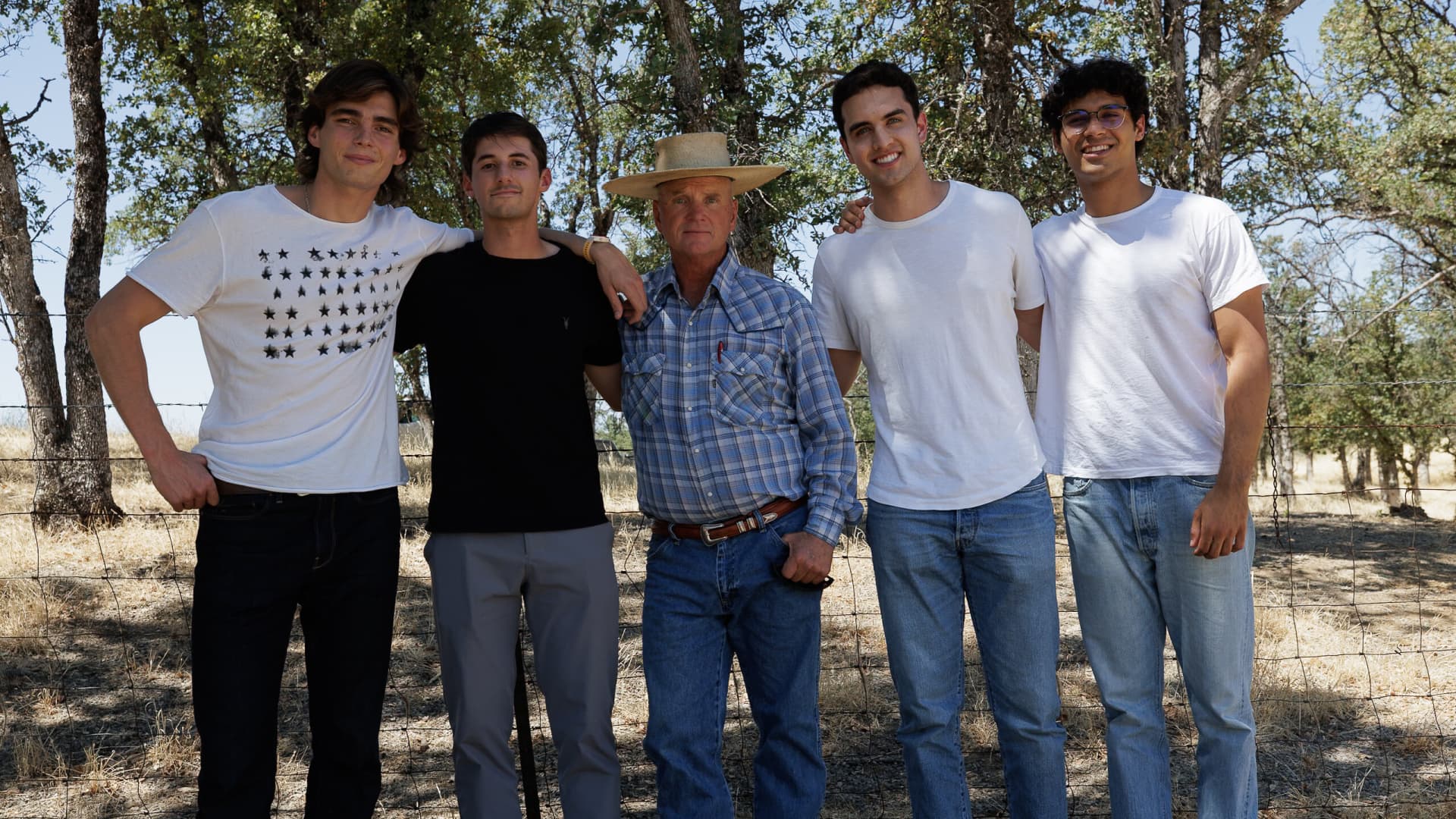
Western Grazers paid $50,000 for a Kalshi contract that pays $500,000 if California doesn't change goat herder wage rules by Oct. 1, 2026.
Alpha Score of 55 reflects moderate overall profile with moderate value, strong quality. Based on 2 of 4 signals – score is capped at 75 until remaining data ingests.
A California goat herding business bought a $500,000 payout on prediction market Kalshi to protect against a potential jump in labor costs. The hedge, arranged by startup Castle and priced by Susquehanna International Group, is one of the first examples of a small business using an event contract to manage legislative exposure.
Tim Arrowsmith owns Western Grazers, a company that rents goats to eat vegetation and prevent wildfires. He employs eight herders, each paid $60,000 a year. Travel and visa costs push the total per worker to at least $70,000, Arrowsmith said. That figure could rise to $240,000 per herder annually after a California wage exemption expired June 30.
The expired exemption had allowed goat herders to avoid a 2016 state assembly bill requiring herders to be paid a set wage for being on-call 24 hours a day. The California Farm Bureau estimates the on-call requirement works out to about $20,000 a month per worker. Sheep herders are excluded from the bill, even though a 2026 University of California, Davis study found working conditions for sheep and goat herders overlap.
Arrowsmith said he was considering selling his goats and laying off staff. Then a cold email arrived from Castle, a New York-based startup backed by Ribbit Capital that helps businesses hedge risks traditional insurance does not cover. Castle's co-founder and CEO Lucas Cavalieri said the company's AI tool was scraping news and found Arrowsmith's situation.
"We were fortunate enough to get a response, and then we got on a call with him, and we were really, really moved," Cavalieri said. "We really put in the effort to try to provide some sort of coverage for him."
Arrowsmith said he had never heard of Kalshi before Castle reached out. "This is a whole new education for me," he said.
The Kalshi Contract Tied to the State Legislature
Castle worked with Susquehanna senior trader Eric Passmore to structure a contract on Kalshi. The contract has a $500,000 payout. Arrowsmith paid a 10% premium, or $50,000. He receives the payout if California does not "authorize an alternative wage or provide qualifying relief from goat herder wage and overtime obligations before Oct 1, 2026," according to Kalshi's market rules.
The contract can resolve in multiple ways. A written order from a state or federal court on goat herder wages, a new law signed by the governor, or a ruling that puts goat herders under the same wage criteria as sheep herders would all trigger the payout. If California does modify goat herder wages by the deadline in a way that satisfies the contract, Arrowsmith does not get paid. That is the outcome he wants.
"The idea that you can trade a specific, minimum wage provision within the California state legislature, it's just something traditional products like wheat futures or corn futures can't handle," Passmore said.
Passmore said building the contract required deep research into California's goat herding industry, including speaking with Arrowsmith and industry professionals. The entire process, from Castle's first outreach to the contract being listed, took two and a half weeks, said Castle co-founder and president Bruno Felix Castillo.
Castle declines to say how much it profited from arranging the hedge. Kalshi took a "backseat" role, said Nicolas Hull, director of business development at the prediction markets company. Hull said Kalshi's markets team verified the data source and ensured the contract could be listed.
This is not the first hedge on Kalshi. A bar on the Upper East Side placed a $5,000 trade on the Knicks beating the San Antonio Spurs and won over $13,000, which it used to cover customers' tabs. Hull said the platform is not focused on hedging as a revenue driver right now.
"I think for right now, I don't see it being a huge revenue driver short term," Hull said. "Right now, we're focused on building out awareness, getting people to understand how they can use this platform to hedge."
Arjun Pandey, Castle's co-founder and chief technology officer, said hedging on prediction markets is still a foreign concept for most businesses. He predicted that will change.
"Ten years from now, everyone's gonna know about it. It's gonna be a whole massive thing. For now, someone has to kickstart that process of educating people," Pandey said.
Arrowsmith, meanwhile, hopes the hedge works in his favor by making him whole if the legislature does not act. He said the state has the data to fix the wage discrepancy. "The legislature has their study. They have the data. It's simply the lack of will to do the right thing and to make a simple fix," he said.
Drafted by a large language model from the source reporting linked above, then screened by automated publishing checks. It is not read by a journalist before publication. Some articles cite our Alpha Score. Verify prices and figures against the original source. Educational coverage, not personalized advice.