Crypto▼ Bearish
Ghana Central Bank Orders Banks to Halt Crypto Wallet Support
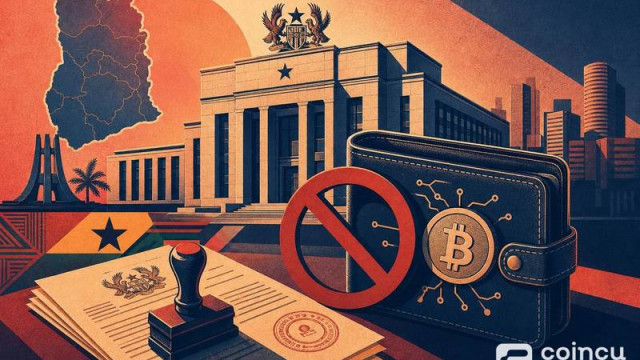
The Bank of Ghana ordered banks to stop supporting unauthorized foreign-currency wallet services tied to crypto platforms. The directive targets banking connections, not crypto ownership. Banks must report compliance by month-end.
Continue with
Ghana's central bank ordered banks and payment firms to cut ties with unauthorized foreign-currency digital wallet services linked to crypto platforms. The directive targets the regulated institutions that connect users to these services, not crypto ownership itself.
The Bank of Ghana issued the directive to all banks, payment service providers, and regulated financial institutions under its supervision. The notice targets unauthorized foreign exchange transactions connected to crypto platforms, not locally licensed banking infrastructure.
By ordering regulated institutions to sever links with these wallet services, the central bank cuts the bridge between Ghana's formal banking system and unapproved digital asset operators. The directive does not outlaw crypto ownership or peer-to-peer activity.
The Bank of Ghana also issued a separate public notice on unauthorized advertising of virtual asset and stablecoin products. The regulator views unlicensed crypto-adjacent services as a growing compliance concern within the banking sector, according to the notices.
Unauthorized wallet services that handle foreign-currency transactions create gaps in the supervisory chain. When banks or payment providers support these products, they risk facilitating fund flows outside standard anti-money laundering and foreign exchange controls.
The central bank's intervention aims to ensure any digital wallet service touching Ghana's regulated financial rails operates under proper licensing. Consumer protection is another factor: users of unauthorized services have limited recourse if funds are lost or frozen.