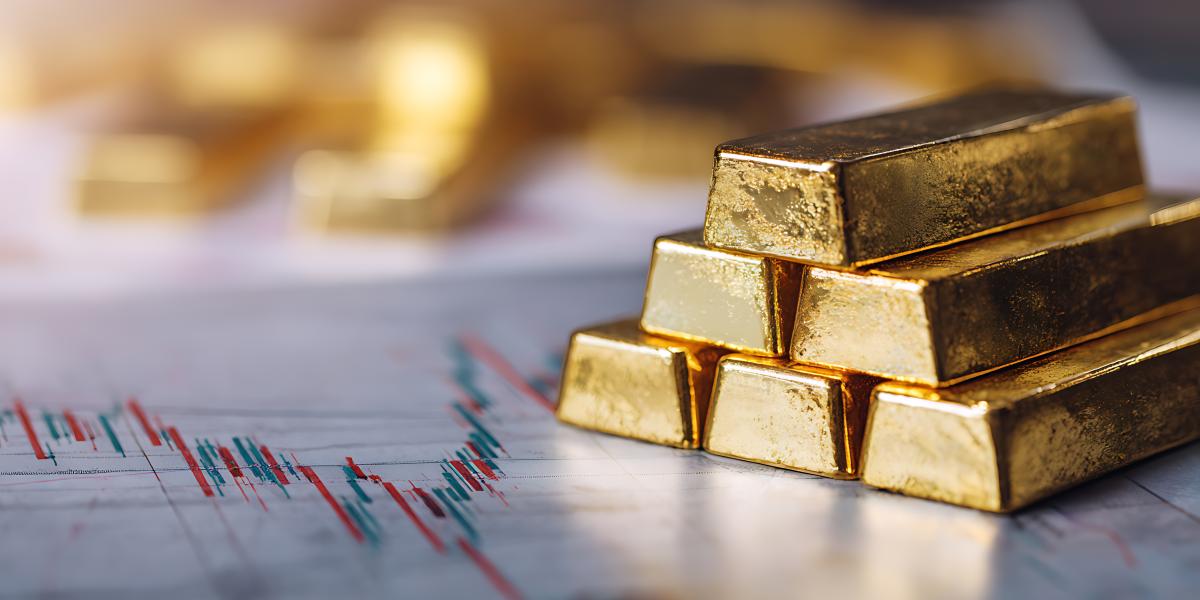
Gold prices are experiencing heightened volatility as shifting geopolitical narratives and executive actions in the United States disrupt traditional safe-haven flows. The metal, typically viewed as a hedge against systemic uncertainty, is reacting to a climate where policy unpredictability is accelerating. This environment has moved gold from a period of steady appreciation into a phase of erratic price swings as investors recalibrate their exposure to risk-off assets.
Geopolitical Drivers and Safe-Haven Demand
The primary catalyst for current gold price action is the erosion of predictability in global trade and diplomatic relations. When executive actions create friction in international markets, the standard response is a flight to liquidity and stability. However, the current cycle is characterized by rapid shifts in sentiment that prevent gold from establishing a clear trend. Investors are finding that the traditional correlation between geopolitical tension and gold price stability is being tested by the speed of policy announcements and the subsequent reactions across global equity and currency markets.
Supply and demand dynamics are further complicated by the fact that gold is no longer moving in a vacuum. As central banks and institutional investors adjust their portfolios in response to potential shifts in US trade policy, the physical demand for gold is being met with speculative selling pressure. This tug-of-war between long-term hedging needs and short-term profit-taking is creating a wider trading range for the metal.
Inventory and Market Liquidity
The physical market is currently navigating a period where inventory levels are being scrutinized against the backdrop of fluctuating demand from major consumers. While central bank buying has historically provided a floor for gold prices, the current volatility is forcing a re-evaluation of how much physical metal is required to offset portfolio risk. The following factors are currently influencing the liquidity landscape:
- Increased turnover in gold-backed exchange-traded products as retail and institutional investors react to daily news cycles.
- Shifts in regional demand from key markets that are sensitive to both the strengthening of the dollar and the underlying price of the metal.
- Constraints in the physical delivery pipeline as refiners adjust to the rapid changes in order flow.
For those monitoring the broader commodities space, the current gold environment serves as a proxy for how other assets may react to sustained policy volatility. Further commodities analysis suggests that until the geopolitical landscape stabilizes, the metal will likely remain sensitive to any news that impacts the perceived stability of the US dollar. Investors should also note that Safehold Inc. (SAFE) currently holds an Alpha Score of 54/100 and is labeled as Mixed within the real estate sector, as detailed on the SAFE stock page.
The next concrete marker for the gold market will be the upcoming series of trade policy briefings and central bank policy statements. These events will provide the necessary clarity on whether the current volatility is a temporary reaction to executive rhetoric or the beginning of a more permanent shift in how gold is priced relative to global geopolitical risk. Monitoring the divergence between spot prices and futures market positioning will be essential for identifying the next sustained trend.