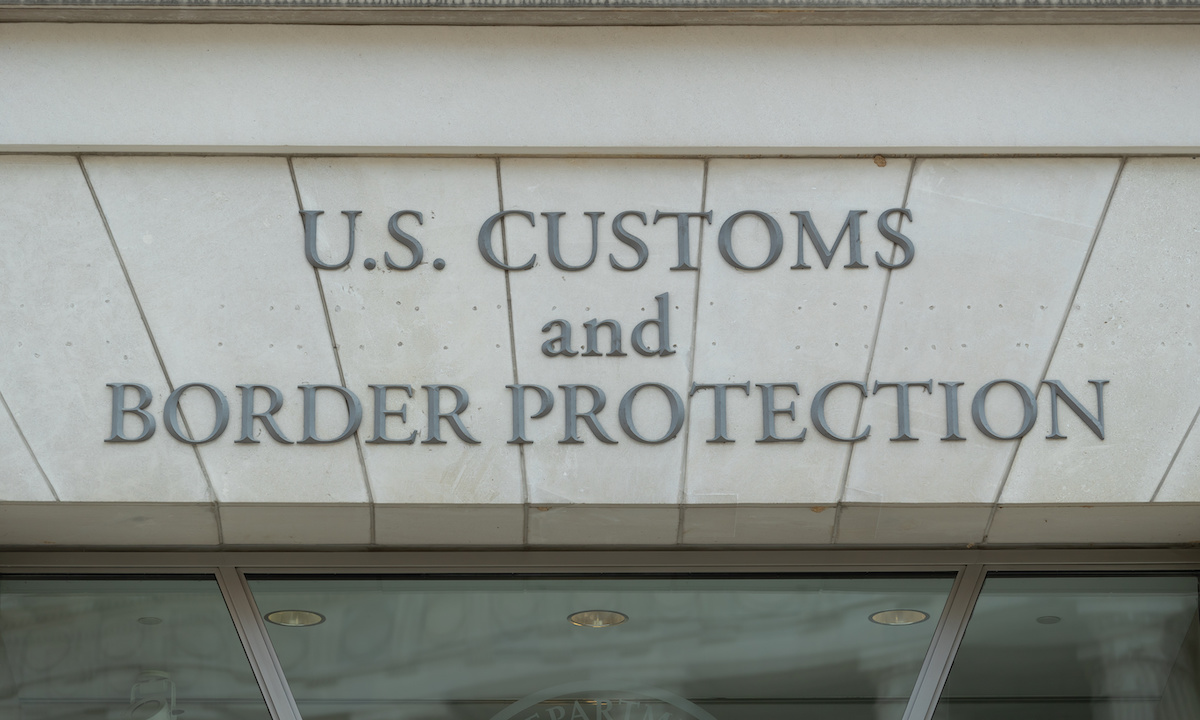
U.S. Customs and Border Protection initiated the first phase of its automated system for processing tariff refund applications on Monday. This rollout marks the beginning of a systematic return of $127 billion in duties previously collected from importers. The mechanism addresses a significant backlog of claims and serves as a primary liquidity event for firms that have faced sustained margin pressure from trade-related levies.
Transmission to Corporate Liquidity and Working Capital
The release of these funds acts as an immediate injection of working capital for importers across the retail, industrial, and technology sectors. For companies that have carried these costs on their balance sheets as deferred assets or direct expenses, the refund process effectively lowers the cost of goods sold retrospectively. This shift provides a buffer for firms currently navigating supply chain logistics and tariff policy shifts that have complicated inventory management.
As these capital inflows hit corporate accounts, the primary transmission mechanism involves a reduction in short-term borrowing requirements. Importers that relied on revolving credit facilities to bridge the cash flow gap created by tariff payments may now see a decline in interest expense. This deleveraging effect is particularly relevant for firms with high debt-to-equity ratios that have been sensitive to the prevailing interest rate environment.
Impact on Currency and Bond Market Dynamics
The scale of the $127 billion refund creates a notable ripple in the broader financial landscape. As importers receive these funds, the demand for short-term liquidity in the money markets may shift. A sustained return of capital to the private sector can influence the velocity of money and potentially alter the demand for Treasury instruments used as collateral by these firms.
AlphaScala data currently reflects a mixed outlook for key technology sector participants that have historically navigated complex tariff environments. ON stock page holds an Alpha Score of 45/100, while U stock page maintains an Alpha Score of 42/100. Both entities operate within sectors where tariff exposure has been a persistent variable in margin guidance.
Monitoring the Velocity of Capital Returns
The speed at which the CBP processes these claims will dictate the pace of the liquidity injection. While the system is now live, the actual disbursement timeline remains subject to verification protocols for each individual importer. The market will monitor the subsequent quarterly earnings reports for evidence of improved cash conversion cycles and reduced reliance on external financing.
This refund program serves as a critical marker for assessing the health of import-heavy industries. The next concrete indicator will be the Treasury Department's follow-up reporting on the total volume of claims settled by the end of the current fiscal quarter. This data will provide a clearer picture of how much of the $127 billion has successfully transitioned from government coffers back into corporate balance sheets, thereby influencing future capital expenditure plans and dividend policies.