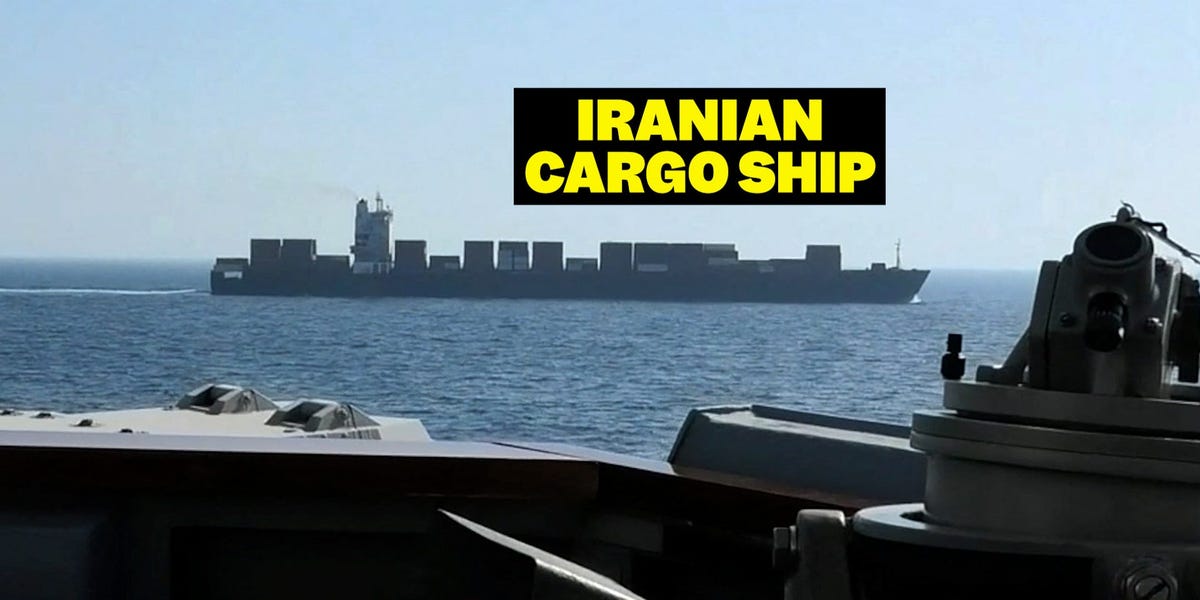
The recent engagement between the USS Spruance and an Iranian cargo vessel in the Arabian Sea marks a significant shift in regional maritime security. By firing on a vessel suspected of illicit activity, the US Navy has moved from a posture of passive monitoring to active interdiction. This escalation changes the risk profile for commercial shipping lanes that serve as critical arteries for global energy and logistics flows.
Maritime Security and Supply Chain Vulnerability
The Arabian Sea serves as a primary transit point for tankers and container ships moving between the Persian Gulf and global markets. When naval assets engage in direct fire, the immediate consequence is a rise in insurance premiums and a potential rerouting of commercial traffic. These disruptions often mirror the logistical bottlenecks seen in other regions, such as the supply chain fragility in Yiwu as Red Sea disruptions inflate holiday costs.
For companies reliant on just-in-time inventory, the uncertainty surrounding the safety of these corridors forces a reevaluation of transit times. If the USS Spruance engagement signals a broader policy of aggressive interdiction, the frequency of such encounters could increase. This creates a persistent volatility premium for any sector dependent on Middle Eastern maritime transit, including energy producers and global retailers.
Sector Read-Through and Asset Sensitivity
Investors typically view heightened naval activity in the Arabian Sea through the lens of energy security and defense spending. While the immediate impact is localized to the specific vessel, the broader narrative concerns the stability of the Strait of Hormuz and surrounding waters. Any sustained conflict or threat of blockade tends to drive up energy prices, which creates a complex environment for industrial stocks.
In the context of broader technology and healthcare sectors, the impact is more indirect but still relevant. For example, firms like ON Semiconductor Corporation, which holds an Alpha Score of 45/100, or Agilent Technologies, Inc., with an Alpha Score of 55/100, operate within global supply chains that are sensitive to the cost of logistics and the availability of raw materials. You can track these companies further on the ON stock page or the A stock page. When geopolitical tensions rise, the cost of capital and the efficiency of global distribution networks often face downward pressure, regardless of the specific company's operational health.
Market participants should monitor the next official statement from the Department of Defense regarding the status of the intercepted cargo. The specific nature of the vessel's manifest will determine whether this incident remains an isolated security event or the precursor to a more restrictive naval blockade. The next marker for this narrative will be the announcement of any new maritime security protocols or changes in the deployment patterns of the US Fifth Fleet in the region.