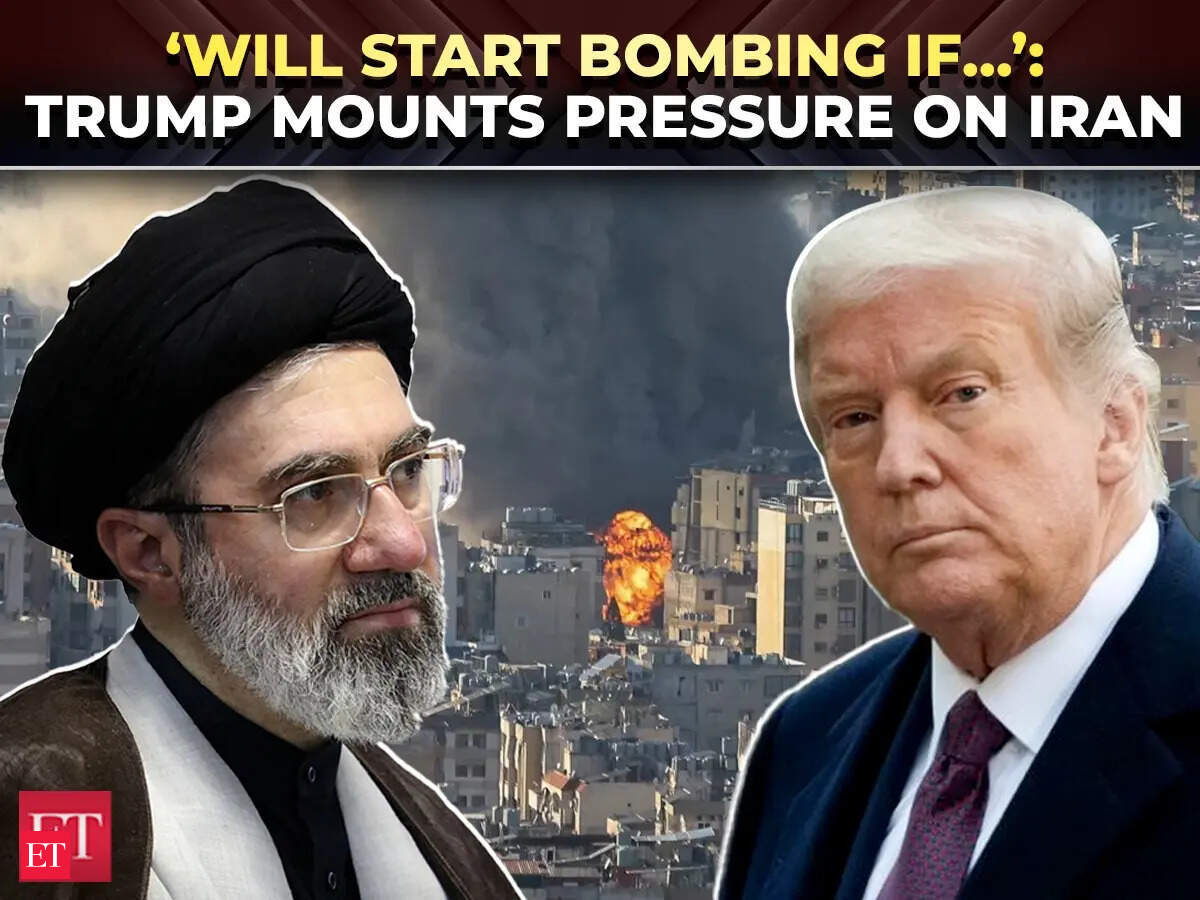
The geopolitical landscape shifted sharply as Donald Trump issued a definitive ultimatum regarding the Iran-US ceasefire, establishing April 22 as the final deadline for a formal peace agreement. The threat of renewed military action, specifically the resumption of bombing campaigns, introduces a hard stop to the current period of diplomatic fragility. This development marks a departure from previous negotiation cycles by tying the cessation of hostilities to a specific calendar date.
Escalation Risks and Naval Constraints
The current narrative is defined by the intersection of stalled diplomatic talks and active military posturing. The US administration has coupled its rhetoric with a naval blockade, creating a tangible constraint on regional trade and security. This strategy forces a binary outcome for the region, where the absence of a signed deal by the April deadline serves as a trigger for kinetic escalation. The reliance on naval positioning suggests that the US is prepared to enforce its ultimatum through maritime control if the diplomatic window closes without a resolution.
Impact on Energy and Regional Stability
Market participants are recalibrating their expectations for regional stability as the threat of renewed conflict moves from theoretical to time-bound. The potential for military action introduces significant volatility into energy supply chains, given the strategic importance of the affected maritime corridors. The following factors define the current risk environment:
- The April 22 deadline serves as a hard expiration for the current ceasefire status.
- Naval blockades remain the primary mechanism for US pressure on Iranian supply lines.
- Diplomatic channels are currently characterized as stalled, increasing the likelihood of a policy pivot.
This situation mirrors broader shifts in how global powers utilize economic and military leverage to force outcomes in stalled negotiations. While stock market analysis often focuses on corporate earnings, the current geopolitical climate necessitates a focus on how such deadlines influence broader risk premiums. The tension between the US and Iran remains a primary driver of uncertainty, overshadowing traditional sector performance metrics for companies with heavy exposure to international logistics or energy markets.
AlphaScala Data and Market Positioning
Investors monitoring the impact of geopolitical volatility on broader portfolio stability may look to current AlphaScore metrics for guidance. For instance, T stock page currently holds an Alpha Score of 61/100, while AS stock page sits at 47/100 and A stock page at 55/100. These scores reflect the current moderate to mixed sentiment across various sectors as the market digests the potential for sudden shifts in global stability.
The next concrete marker for this narrative is the arrival of the April 22 date. The market will look for either a formal announcement of a signed agreement or evidence of military mobilization following the expiration of the ceasefire. Any communication from the US Department of Defense or official Iranian state media regarding the status of the blockade will serve as the primary indicator of whether the deadline will be honored or if a new phase of the conflict has commenced.