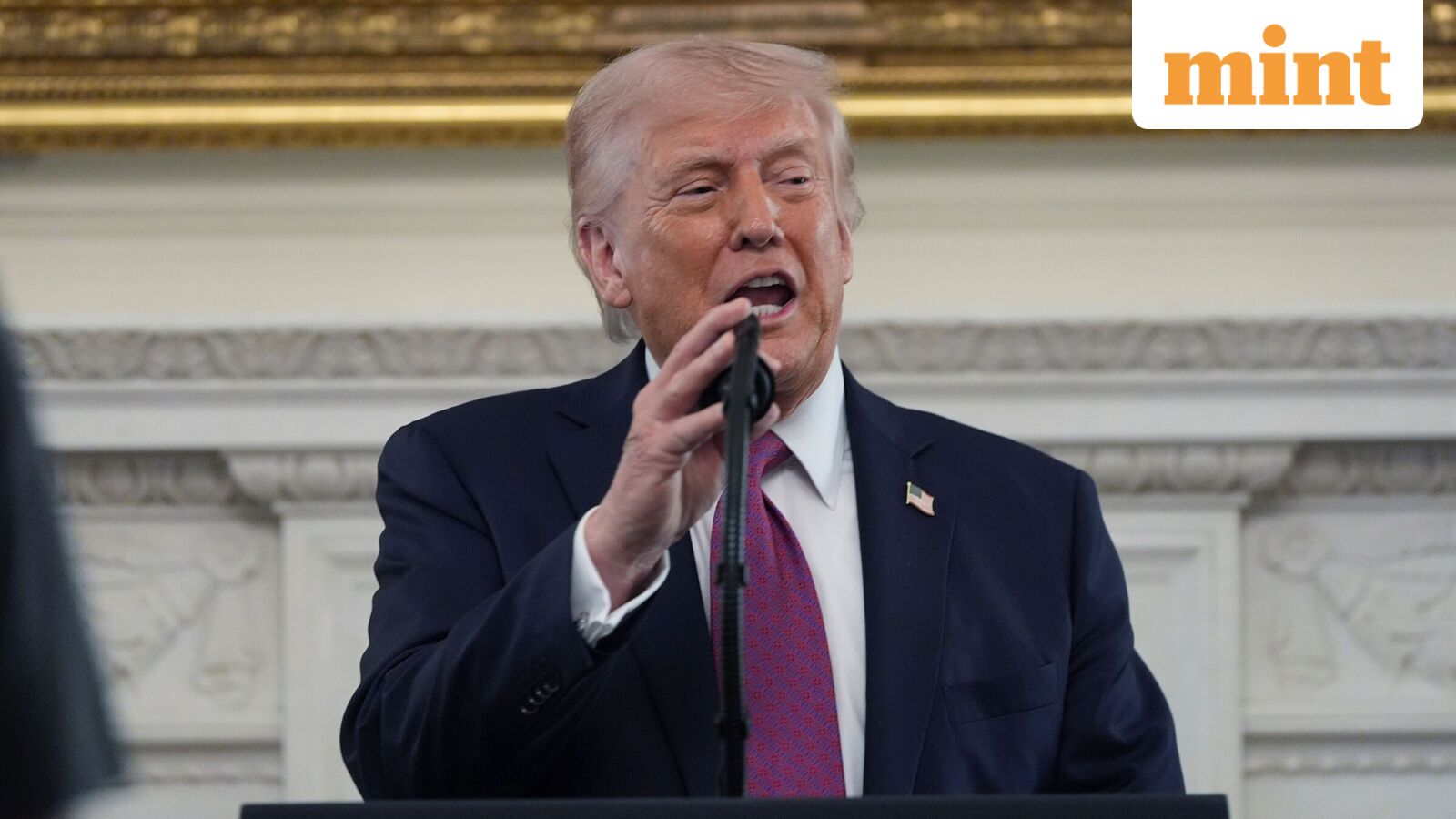
The commitment by the United States to maintain a naval blockade at the Strait of Hormuz marks a definitive pivot in regional strategy, moving away from the threat of direct military strikes toward a sustained economic containment policy. By framing the blockade as the primary mechanism for forcing a new nuclear agreement, the administration has signaled that the disruption of maritime traffic in this critical energy corridor will remain a permanent feature of the current geopolitical landscape.
Impact on Energy Logistics and Global Supply Chains
The Strait of Hormuz serves as the world's most vital maritime oil chokepoint, with a significant portion of global petroleum consumption passing through its narrow waters daily. A prolonged blockade forces a reassessment of global energy security, as the cost of insurance, shipping, and potential rerouting impacts the bottom line for energy-intensive industries. This policy creates a persistent risk premium on crude oil prices, forcing companies to account for supply chain volatility that extends far beyond the Middle East.
Logistics firms and global manufacturers are now forced to integrate this bottleneck into their long-term operational planning. The uncertainty surrounding the duration of these restrictions complicates inventory management and fuel hedging strategies. As seen in broader stock market analysis, sectors reliant on consistent, low-cost energy inputs are particularly vulnerable to the price swings that accompany heightened tensions in the Persian Gulf.
Defense Sector and Industrial Read-Through
The focus on naval assets as the primary instrument of foreign policy reinforces the current demand cycle for defense contractors and maritime security technology. While the administration emphasizes non-kinetic solutions, the physical presence required to enforce a blockade necessitates a high level of readiness for naval fleets and surveillance systems. Companies involved in the production of defense electronics and maritime monitoring equipment are positioned to see sustained demand as the U.S. maintains its posture in the region.
This environment also influences the broader industrial sector, where companies like Bloom Energy Corp (BE stock page) operate within a landscape increasingly defined by energy independence and localized power generation. As geopolitical friction limits the predictability of global energy flows, the push for alternative energy solutions often gains momentum. Currently, AlphaScala data reflects a mixed outlook for several industrial and tech players, with ON Semiconductor Corporation (ON stock page) holding an Alpha Score of 46/100 and Amer Sports, Inc. (AS stock page) at 47/100.
The Path Toward Resolution
The next concrete marker for this narrative will be the reaction from international stakeholders and the subsequent impact on global oil spot prices. If the blockade persists without a diplomatic breakthrough, the focus will shift to how major importers adjust their energy procurement strategies to mitigate reliance on the Strait. Investors should monitor upcoming trade data and energy inventory reports for signs of supply chain strain or shifts in global shipping routes. The effectiveness of this policy will ultimately be measured by the willingness of Tehran to return to the negotiating table under the weight of sustained economic isolation.