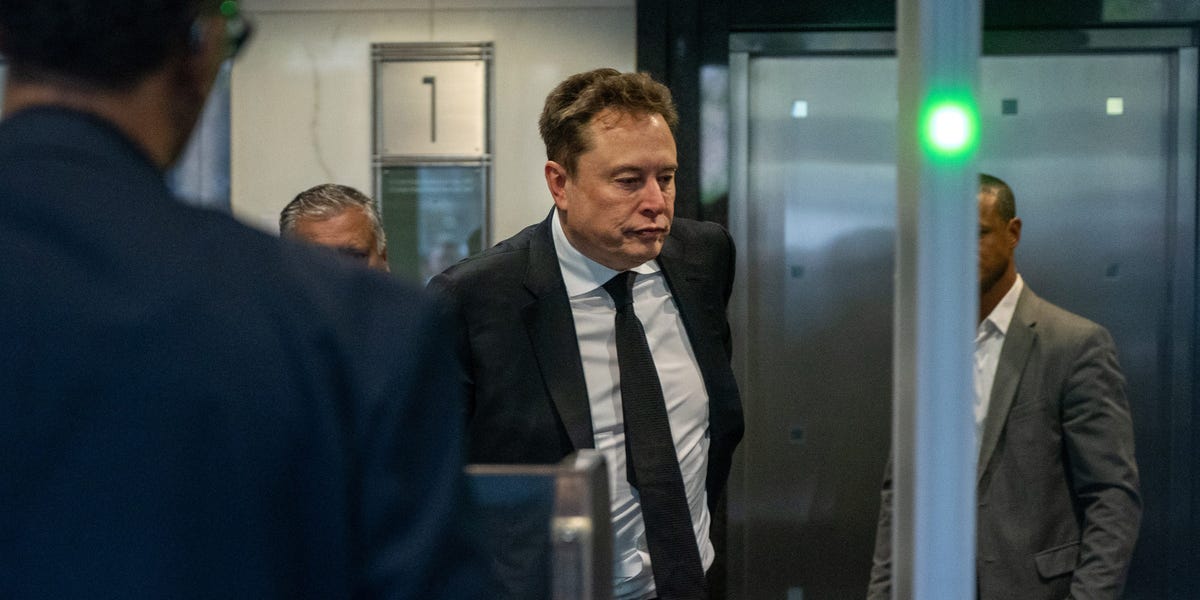
Elon Musk’s testimony during the second day of federal proceedings in California has shifted the narrative surrounding OpenAI from a simple contractual dispute to a fundamental challenge regarding the organization’s founding mission. Musk testified that he sent a direct message to Sam Altman questioning the company's trajectory after discovering the shift toward a for-profit structure. This testimony serves as the centerpiece of a broader legal effort to hold the organization accountable for its transition away from its original non-profit, open-source mandate.
Governance Shifts and Founding Intent
The core of the testimony centers on the alleged bait-and-switch regarding the company's commitment to open-source development. Musk argued that the transition to a for-profit model fundamentally altered the incentive structure of the organization. By moving away from the initial non-profit framework, the company created a conflict between its stated goal of safe artificial intelligence development and the commercial pressures of its investors. This legal challenge forces a public examination of how internal governance structures evolved as the company scaled its operations and secured massive capital injections.
Sector Read-Through for AI Development
The dispute highlights a growing tension within the broader technology sector regarding the ownership and control of foundational AI models. As companies like NVIDIA continue to provide the hardware backbone for these systems, the software layer remains subject to intense scrutiny over safety, transparency, and commercialization. The outcome of this case could set a precedent for how non-profit entities can legally transition into commercial powerhouses without violating original donor or founder agreements. Investors are monitoring these proceedings to gauge whether future regulatory frameworks will mandate stricter transparency for AI labs that originated as research-focused non-profits.
AlphaScala Market Context
While this legal battle focuses on private governance, the broader semiconductor and hardware ecosystem remains sensitive to shifts in AI development timelines. For companies like ON Semiconductor Corporation, which currently holds an Alpha Score of 46/100 and is labeled as Mixed, the stability of the AI software ecosystem is a critical variable for long-term demand forecasting. Any disruption to the collaborative research environment could influence the pace at which new hardware architectures are adopted across the industry.
The next concrete marker for this narrative will be the court’s ruling on the specific breach-of-contract claims. A decision favoring Musk could force a restructuring of OpenAI’s current corporate governance, potentially impacting its ability to raise future rounds of funding or maintain its current partnership structures. Conversely, a dismissal would likely solidify the current for-profit trajectory, removing a significant legal overhang that has clouded the company's recent expansion efforts. Participants should watch for subsequent filings regarding the discovery of internal documents that may further detail the timeline of the transition from non-profit to for-profit status.