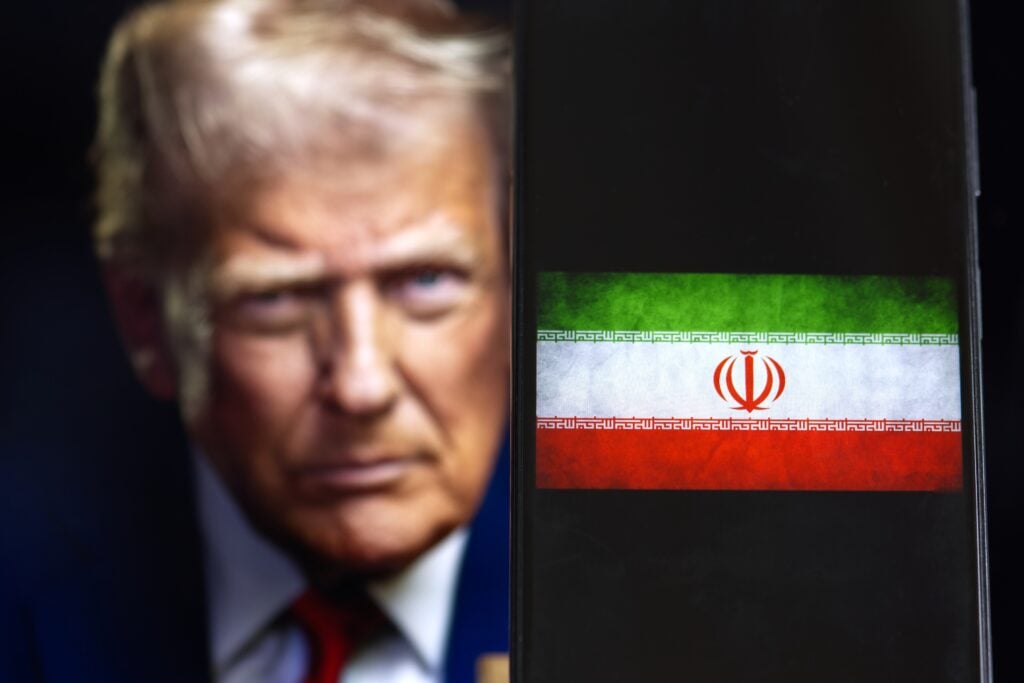
The recent escalation in rhetoric from President Donald Trump regarding stalled negotiations with Iran has introduced a fresh layer of uncertainty into global energy markets. By publicly urging Tehran to finalize a deal and warning against further delays, the administration has signaled a shift toward a more confrontational stance. This development directly impacts the risk premium associated with energy producers that maintain significant exposure to geopolitical volatility.
Chevron and the Energy Risk Premium
Chevron Corporation remains a primary focal point for investors assessing how regional instability in the Middle East influences oil supply chains. As a major integrated energy firm, the company is sensitive to shifts in global crude pricing that often follow heightened geopolitical tensions. When diplomatic channels between the United States and major energy-producing nations appear to close, the market typically prices in a higher probability of supply disruptions. For CVX stock page, this creates a volatile environment where operational performance is frequently overshadowed by macroeconomic and diplomatic headlines.
Energy investors are currently weighing whether this rhetoric marks a temporary tactical maneuver or a sustained move toward renewed sanctions. If the administration follows through on its threat to abandon the current negotiation framework, the resulting supply-side constraints could lead to a rapid repricing of energy assets. Chevron’s capital allocation strategy, which prioritizes shareholder returns through dividends and buybacks, relies on a degree of price stability that is difficult to maintain during periods of intense diplomatic friction.
Sector Read-Through and Market Sensitivity
Beyond the specific impact on individual energy majors, the broader sector faces a period of recalibration. The energy industry has spent recent quarters focusing on capital discipline and efficiency, yet these internal metrics are often secondary to the external pressures of global energy security. When diplomatic progress stalls, the entire energy complex experiences increased sensitivity to supply-side shocks. This environment forces institutional investors to reconsider the weighting of energy stocks within their portfolios, particularly as the market attempts to distinguish between long-term fundamentals and short-term geopolitical noise.
AlphaScala data currently reflects this uncertainty, with Chevron Corporation holding an Alpha Score of 41/100 and a Mixed label. This score highlights the tension between the company’s stable operational profile and the unpredictable external factors currently influencing the energy sector.
The Path Toward Market Resolution
Investors should monitor the next set of official communications from the administration regarding the specific terms of the proposed deal. The transition from rhetoric to formal policy action will serve as the primary catalyst for energy price movements in the coming weeks. If the administration moves to implement new restrictions or formalizes the end of current talks, the market will likely see a shift in volatility indices related to the energy sector. Conversely, any sign of a resumption in dialogue would likely lead to a cooling of the current risk premium, allowing investors to refocus on company-specific earnings and production targets. The next concrete marker for this narrative will be the formal response from Tehran or any subsequent executive orders issued from Washington regarding trade and energy sanctions. These developments will dictate whether the current tension remains a localized diplomatic dispute or evolves into a structural challenge for global energy markets.