Back to Markets
Commodities● Neutral

Air India Express Faces Fiscal Headwinds as Fuel Costs Mount

Air India Express Faces Fiscal Headwinds as Fuel Costs Mount
ASCOSTLOWON

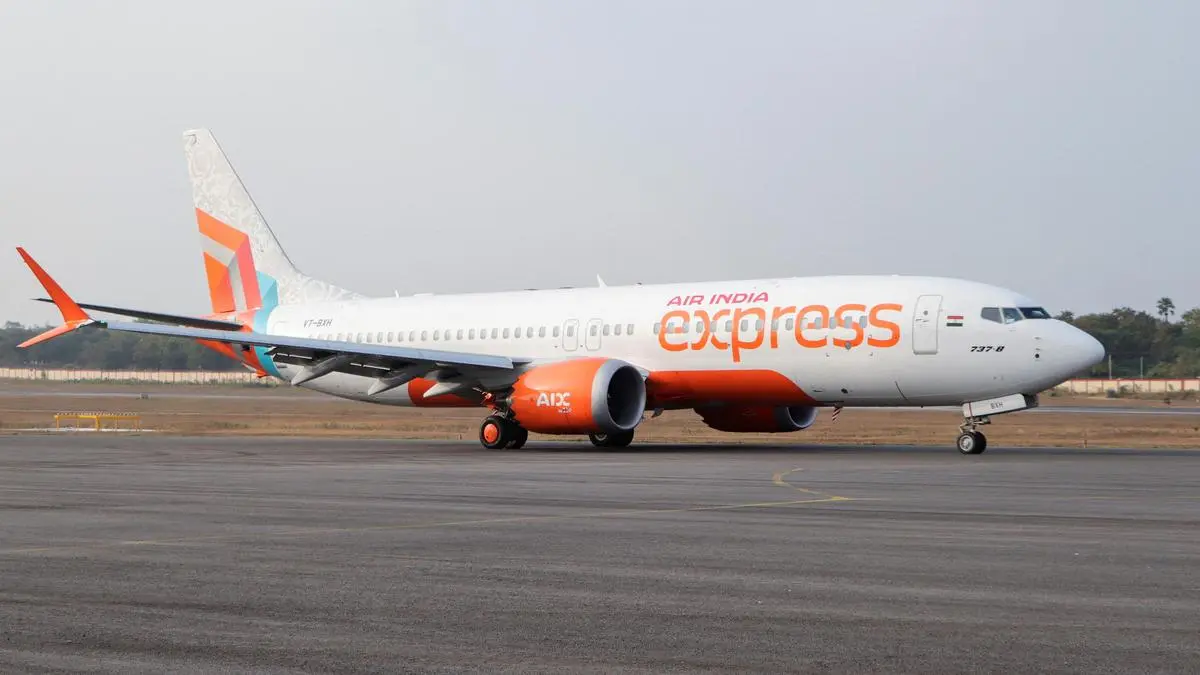
Air India Express projects a ₹3,500 crore loss for FY26, driven by high aviation fuel costs and the heavy capital requirements of its ongoing network expansion.

AlphaScala Research Snapshot
Live stock context for companies directly referenced in this story
Consumer Cyclical
Alpha Score
47
Weak

Alpha Score of 47 reflects weak overall profile with moderate momentum, poor value, moderate quality. Based on 3 of 4 signals — score is capped at 90 until remaining data ingests.

Consumer Staples
Alpha Score
57
Moderate

Alpha Score of 57 reflects moderate overall profile with moderate momentum, moderate value, moderate quality, moderate sentiment.

Consumer Discretionary
Alpha Score
48
Weak

Alpha Score of 48 reflects weak overall profile with moderate momentum, weak value, weak quality, weak sentiment.

Alpha Score
46
Weak

Alpha Score of 46 reflects weak overall profile with strong momentum, poor value, poor quality, moderate sentiment.

This panel uses AlphaScala-native stock data, separate from the source wire linked above.

Air India Express is navigating a period of significant fiscal pressure, with projections indicating a loss of approximately ₹3,500 crore for the 2026 fiscal year. This anticipated shortfall stems from the convergence of elevated aviation turbine fuel costs and the capital-intensive nature of the carrier's ongoing network expansion strategy. As the airline integrates its operations and scales its fleet, the burden of rising operational expenditures has become a primary driver of its current financial outlook.

Fuel Cost Volatility and Operational Expenditure

Aviation turbine fuel remains the most significant variable cost for the airline, directly impacting the bottom line. The volatility in global energy markets, which often ripples through to domestic fuel pricing, creates a challenging environment for low-cost carriers that operate on thin margins. When fuel prices remain elevated, the ability of a carrier to pass these costs onto price-sensitive passengers is limited, leading to margin compression.

Beyond fuel, the airline is currently in a phase of aggressive growth. Expanding a route network requires substantial upfront investment in marketing, ground handling, and crew training. These costs are often front-loaded, meaning the financial benefits of an expanded network do not materialize immediately. The current fiscal projection reflects the reality of balancing rapid market share acquisition with the high cost of maintaining a larger, more complex operational footprint.

Network Expansion and Fleet Integration

The strategic push to increase connectivity across domestic and international routes is intended to capture long-term demand. However, the immediate impact of this expansion is an increase in total expenditure that currently outpaces revenue growth. The airline is working to optimize its fleet utilization to mitigate these costs, but the transition period involves inherent inefficiencies as new routes are established and demand is stabilized.

The following factors are currently shaping the carrier's financial trajectory:

  • Sustained high fuel prices increasing the cost per available seat kilometer.
  • Significant capital allocation toward fleet expansion and modernization.
  • Operational integration costs associated with the broader Tata Group aviation strategy.

This situation underscores the broader challenges faced by the aviation sector as it attempts to scale operations in an environment of fluctuating input costs. While the carrier aims to leverage its expanded network to drive future profitability, the immediate focus remains on managing the cash burn associated with its current growth phase. For investors monitoring the broader consumer and transportation landscape, the performance of companies like COST stock page often provides a baseline for how consumer spending holds up against inflationary pressures, though the airline industry remains uniquely sensitive to energy inputs.

AlphaScala data currently tracks various sectors with differing levels of stability. For instance, T stock page holds an Alpha Score of 56, while LOW stock page is currently labeled as Mixed with a score of 48. These metrics reflect the varying degrees of exposure to macroeconomic volatility across the consumer and services sectors.

The next concrete marker for the airline will be the release of its quarterly performance updates, which will provide insight into whether the current cost-management strategies are beginning to offset the impact of fuel price volatility. Any adjustments to the fleet expansion timeline or changes in fuel hedging policies will serve as critical indicators of the carrier's ability to navigate the remainder of the fiscal year.

How this story was producedLast reviewed Apr 29, 2026

AI-drafted from named sources and checked against AlphaScala publishing rules before release. Direct quotes must match source text, low-information tables are removed, and thinner or higher-risk stories can be held for manual review.

Editorial Policy·Report a correction·Risk Disclaimer