Stocks● Neutral
Islamabad Talks Stalled as Iranian Leadership Fractures Deepen
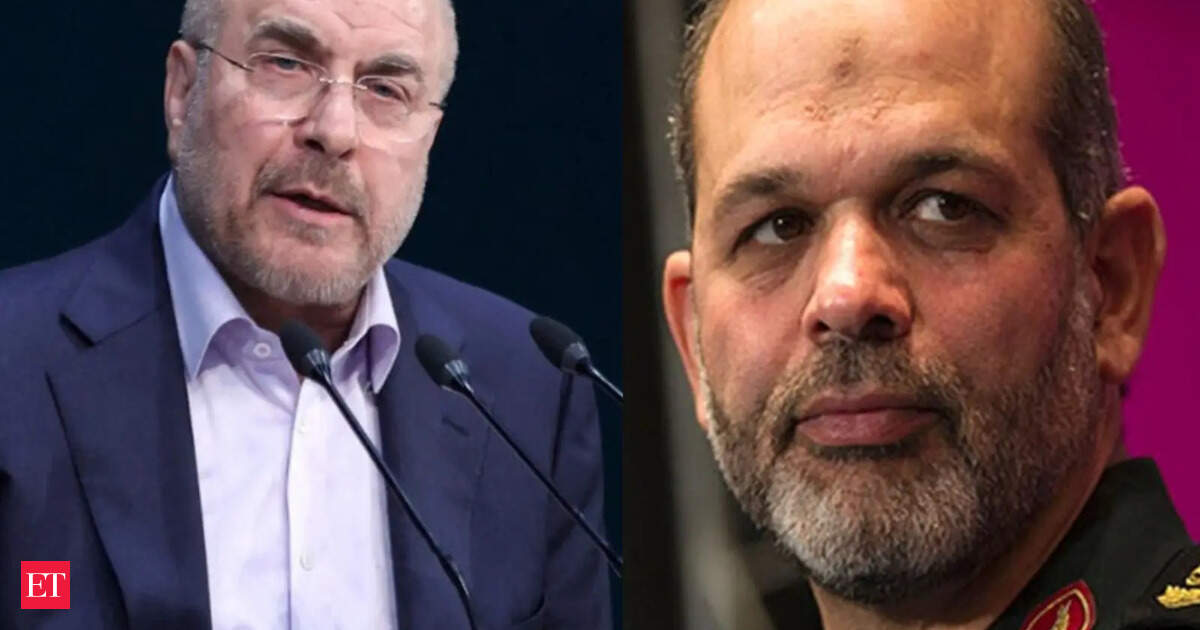
Internal discord in Tehran threatens to derail the second round of talks, heightening regional risk. Watch for consensus shifts impacting ON, AS, and NOW.
Continue with
Internal discord in Tehran threatens to derail the second round of talks, heightening regional risk. Watch for consensus shifts impacting ON, AS, and NOW.
The prospect of a diplomatic breakthrough between the United States and Iran has dimmed following reports of widening fractures within the Iranian political establishment. As the deadline for a potential ceasefire approaches, the internal discord suggests that the upcoming second round of the Islamabad Talks may face significant hurdles in achieving a unified consensus. This uncertainty introduces a layer of risk for global markets that are sensitive to energy supply stability and regional security.
The assessment indicates that the Iranian leadership is struggling to reconcile competing factions regarding the viability of a peace deal. These divisions are not merely procedural but reflect fundamental disagreements over the strategic benefits of de-escalation versus the maintenance of current military postures. When a government lacks a unified mandate, the ability to commit to binding international agreements becomes compromised. This lack of cohesion effectively stalls the momentum needed to move from preliminary discussions to a formal ceasefire framework.
For investors, the primary concern is the potential for a sudden shift in regional volatility. The Islamabad Talks were viewed as a critical mechanism to lower the temperature in a region vital to global energy logistics. If the internal divisions prevent a coherent response from Tehran, the risk of a breakdown in negotiations increases. This scenario forces market participants to reconsider the risk premium currently embedded in energy-related assets and broader geopolitical hedges.
The uncertainty surrounding these talks impacts sectors that rely on stable trade routes and predictable energy pricing. Technology and consumer-facing industries often experience indirect pressure when geopolitical instability drives up input costs or disrupts supply chains. For instance, companies like ON Semiconductor Corporation may face challenges if regional instability affects global logistics or manufacturing efficiency.
AlphaScala data currently reflects a cautious environment for several major players. Amer Sports, Inc. holds an Alpha Score of 47/100, while ServiceNow Inc. sits at 53/100. Both stocks are currently labeled as Mixed, suggesting that broader stock market analysis remains focused on balancing growth potential against the backdrop of unpredictable macroeconomic and geopolitical variables.
Investors should monitor the outcome of the Islamabad Talks as the primary marker for future volatility. The next concrete indicator will be the official statements released following the conclusion of the second round of discussions. Any sign of a unified Iranian delegation or a formal extension of the ceasefire deadline would signal a stabilization of the current risk profile. Conversely, a failure to reach a consensus or a public acknowledgment of continued internal deadlock will likely necessitate a repricing of geopolitical risk across energy and industrial sectors. The market will look for clarity on whether the leadership in Tehran can consolidate its position or if the current fragmentation will lead to a prolonged period of diplomatic paralysis.
Drafted by a large language model from the source reporting linked above, then screened by automated publishing checks. It is not read by a journalist before publication. Some articles cite our Alpha Score. Verify prices and figures against the original source. Educational coverage, not personalized advice.