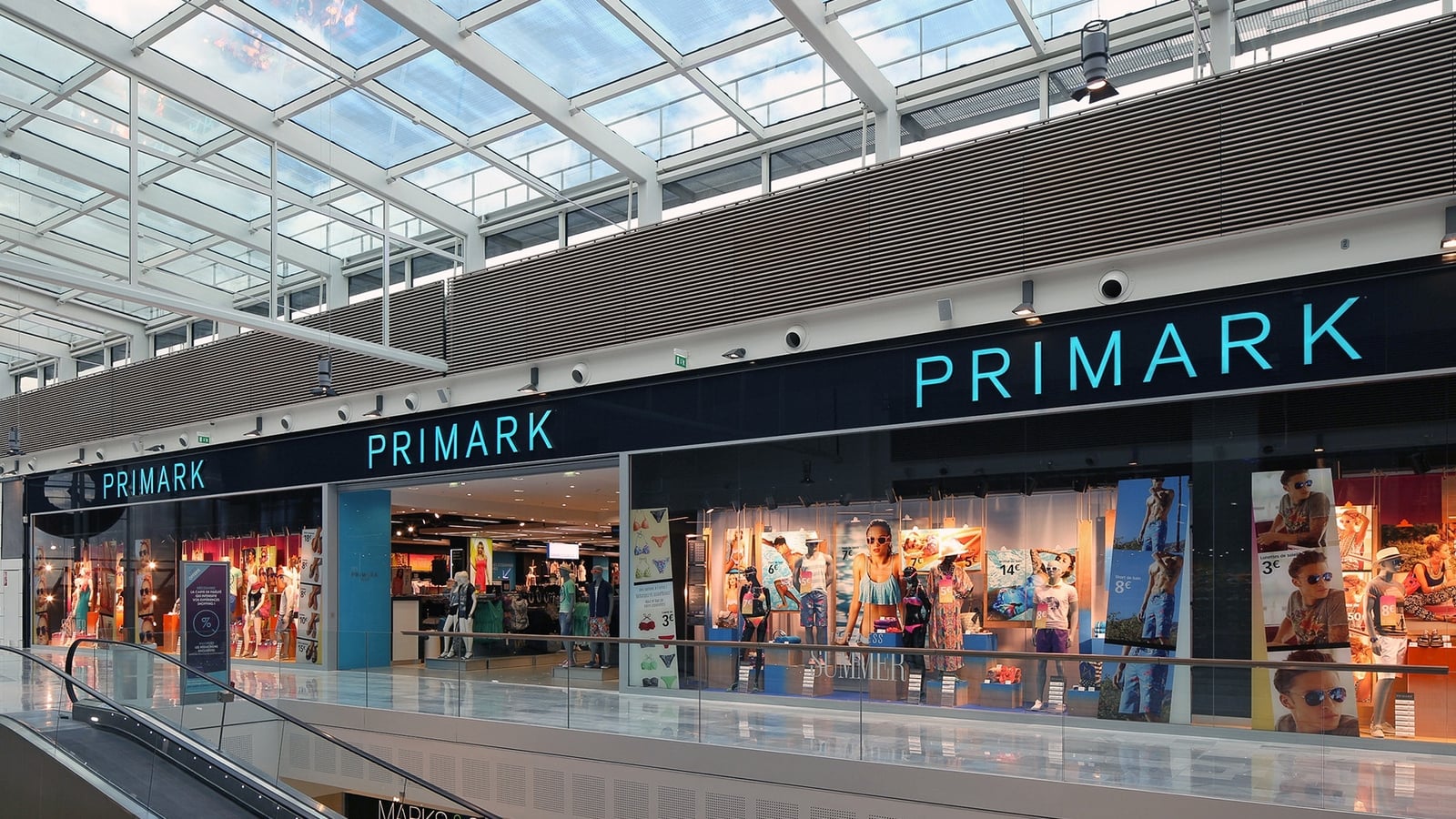
Associated British Foods has confirmed plans to separate its Primark fashion retail division from its diversified food operations. The decision follows a comprehensive internal review of the group structure, which concluded that the distinct operational requirements and capital allocation priorities of the two segments warrant independent entities. This move marks a departure from the conglomerate model that has defined the company for decades.
Structural Decoupling of Retail and Food
The demerger creates a standalone entity for Primark, allowing the retailer to focus exclusively on its aggressive store expansion strategy and supply chain management. Primark has historically operated with a high-volume, low-margin model that contrasts sharply with the stable, commodity-driven nature of the group's food business. By separating these units, the board aims to provide investors with a clearer view of the underlying performance of each business line. The food division, which includes sugar, ingredients, and grocery brands, will continue to operate under a separate mandate focused on operational efficiency and margin preservation.
This structural shift is intended to remove the valuation discount often associated with conglomerates holding disparate assets. Investors have frequently struggled to reconcile the cyclical nature of fast fashion retail with the defensive characteristics of food manufacturing. The separation allows for tailored capital structures that reflect the specific risk profiles of each business. While the food business remains a cash-generative foundation, Primark requires significant reinvestment to support its international footprint and digital integration efforts.
Market Positioning and Operational Focus
The separation forces a realignment of how the market evaluates the group's constituent parts. For the retail segment, the focus will shift toward store productivity and the ability to maintain price competitiveness in a volatile consumer environment. The food division will likely be judged on its ability to manage input cost inflation and maintain market share across its core grocery categories. This split follows a broader trend of large-cap entities seeking to unlock value by shedding non-core assets or separating high-growth retail units from legacy industrial operations.
AlphaScala currently tracks various industrial and consumer-facing entities as part of our broader stock market analysis. While our current data set includes firms like Agilent Technologies, Inc. (Alpha Score 55/100, label Moderate, sector Healthcare, A stock page), the move by Associated British Foods highlights the ongoing pressure on diversified groups to demonstrate clear strategic focus. The separation of Primark represents a significant shift in the company's capital allocation strategy, moving away from a centralized treasury model toward independent balance sheets.
Next Steps for the Demerger
The next concrete marker for this transition is the publication of the formal demerger documentation, which will outline the proposed distribution of shares to existing holders and the appointment of independent management teams for the new entities. Investors will look for details on how debt will be apportioned between the two companies and whether the food business will maintain its dividend policy in its new, standalone form. The timeline for the completion of the split remains subject to regulatory approvals and final board ratification, which will serve as the final hurdle before the entities begin trading as separate stocks.