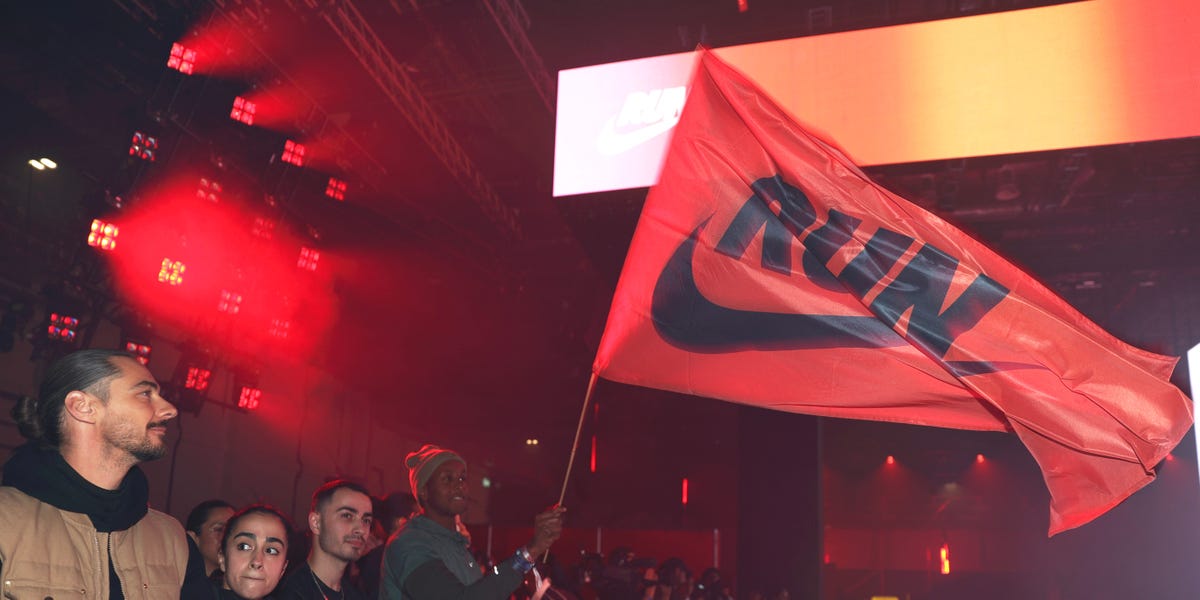
Nike recently withdrew a marketing campaign intended to coincide with the Boston Marathon after the initiative drew significant criticism from the running community. The campaign featured signage reading Walkers tolerated, a message that alienated the very demographic the company sought to engage during one of the most prominent events in the sport. The swift removal of the advertisements underscores the sensitivity of the brand's relationship with its core performance-focused consumer base.
Brand Positioning and Core Consumer Friction
For a company that built its reputation on elite athletic performance, the backlash suggests a disconnect between corporate marketing strategy and the cultural values of the running community. The Boston Marathon represents a pinnacle event for both professional and amateur runners, many of whom prioritize inclusivity and the shared experience of the sport over the exclusionary tone implied by the campaign. By attempting to lean into a competitive or elitist narrative, Nike inadvertently created friction with the segment of the market that drives consistent demand for its high-end footwear and apparel.
This incident arrives at a time when the company is already navigating broader challenges in maintaining its market dominance. As competitors continue to gain ground in the performance running category, the ability of a brand to maintain authentic connections with its user base becomes a critical component of long-term retention. Marketing efforts that fail to resonate with the core audience can quickly undermine years of brand equity, particularly when they appear to dismiss the contributions of the broader running population.
Strategic Implications for Performance Segments
The reaction to the campaign serves as a reminder of the risks associated with aggressive marketing pivots in specialized sectors. While the company has historically utilized bold messaging to define its identity, the modern athletic market is increasingly decentralized and sensitive to brand tone. Any strategy that risks alienating the enthusiast community threatens to erode the brand loyalty that serves as a moat against emerging rivals.
AlphaScala data currently reflects these broader pressures, with NKE stock page holding an Alpha Score of 32/100, indicating a weak current standing within the consumer discretionary sector. The company's ability to recover from this misstep will depend on its capacity to realign its messaging with the values of its most dedicated customers. Investors should monitor upcoming quarterly reports for signs of shifting marketing spend or changes in leadership focus regarding brand identity.
Future Markers for Brand Recovery
Moving forward, the primary indicator of recovery will be the tone of upcoming product launches and community-facing initiatives. The company must demonstrate that it understands the nuances of the running culture beyond the elite level. Future filings and earnings calls will likely provide insight into whether this marketing error leads to a broader re-evaluation of the firm's outreach strategy. The next concrete marker will be the company's performance in upcoming major marathons and the reception of its next performance-focused product cycle, which will test whether the brand can regain its standing among core runners.