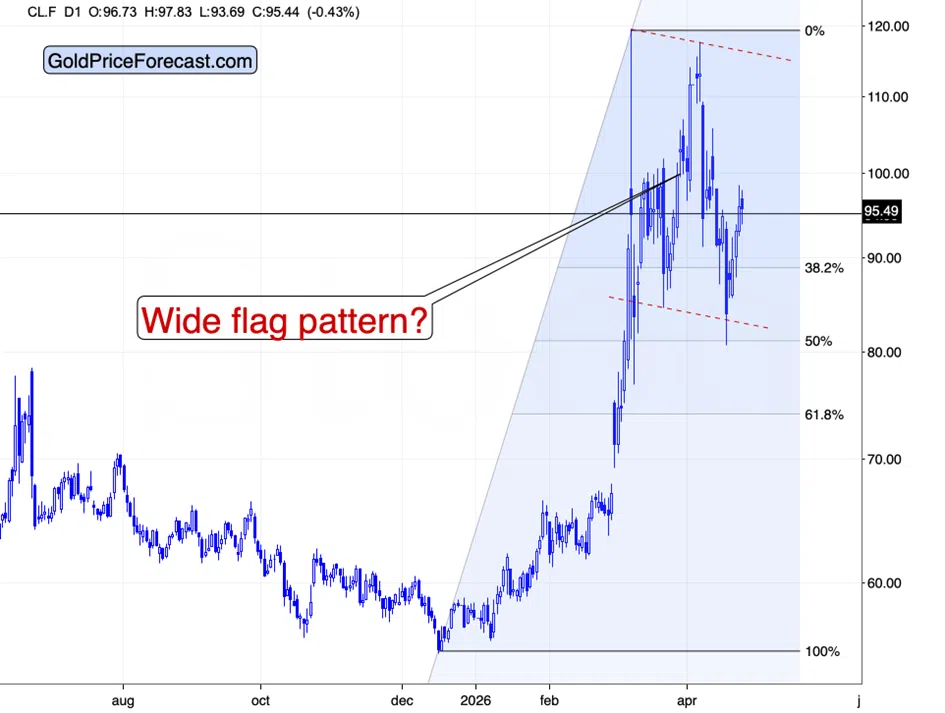
The intersection of heightened geopolitical friction and industrial metal pricing is creating a complex environment for mining equities. While energy markets often react instantaneously to naval posturing and regional instability, the downstream impact on copper and precious metals is increasingly defined by a shift in risk appetite rather than immediate supply chain disruptions. As energy costs rise, the operational expenditure for mining firms faces upward pressure, which complicates the margin outlook for producers already navigating bearish technical signals.
Energy Costs and Operational Margins
Crude oil prices serve as a primary input cost for large-scale mining operations, particularly those reliant on heavy machinery and long-haul transport logistics. When geopolitical tensions in the Middle East lead to a surge in oil prices, the cost of extraction for copper and gold producers increases. This creates a dual-pressure scenario where the cost of production rises while the market price for the underlying commodity remains under technical resistance. Mining companies are forced to absorb these costs or risk lower output levels if energy-intensive processes become economically unviable in the short term.
Technical Pressure on Precious Metals
Gold and silver are currently experiencing a disconnect between their traditional role as safe-haven assets and their recent price performance. Despite the uptick in regional instability, these metals are facing significant technical selling pressure. This suggests that the market is prioritizing liquidity and interest rate expectations over geopolitical hedging. Investors are observing a trend where industrial metals, particularly copper, are struggling to maintain support levels as global demand concerns weigh on the sector. The lack of a sustained rally in gold during periods of heightened naval activity indicates that the current risk premium is being captured primarily by the energy complex rather than the precious metals market.
Market Context and AlphaScala Data
Broad market volatility often forces a re-evaluation of consumer-facing and industrial holdings. For those tracking consumer staples and cyclicals, the current environment requires a focus on how input cost inflation filters through to bottom-line performance.
- Kellanova K stock page currently holds an Alpha Score of 61/100, indicating a moderate outlook in the consumer staples sector.
- Amer Sports, Inc. AS stock page carries an Alpha Score of 47/100, reflecting a mixed sentiment within the consumer cyclical space.
These scores highlight the divergence in how different sectors are absorbing the current macroeconomic volatility. While mining equities grapple with energy-linked cost inflation, consumer-facing firms are managing their own supply chain and pricing pressures.
For further analysis on how these trends impact broader asset classes, see our commodities analysis or review the gold profile to track ongoing technical developments. The next concrete marker for this sector will be the upcoming quarterly production reports from major miners, which will provide the first clear look at how rising energy costs have impacted unit economics. Investors should monitor these filings for adjustments to guidance regarding capital expenditure and operational efficiency targets in the face of persistent energy price volatility.