Back to Markets
Stocks● Neutral

Saudi Vision 2030 Maintains Strategic Momentum Amid Economic Transition

Saudi Vision 2030 Maintains Strategic Momentum Amid Economic Transition
ONASHASKEY

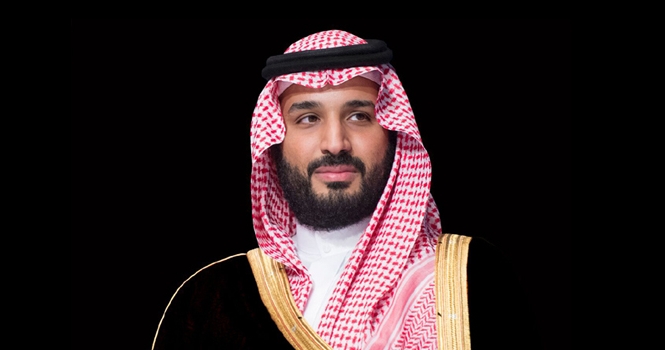
Crown Prince Mohammed bin Salman has reaffirmed the commitment to Vision 2030, signaling that the Kingdom will continue its structural economic reforms despite global challenges.

AlphaScala Research Snapshot
Live stock context for companies directly referenced in this story
Alpha Score
45
Weak

Alpha Score of 45 reflects weak overall profile with strong momentum, poor value, poor quality, weak sentiment.

Consumer Cyclical
Alpha Score
47
Weak

Alpha Score of 47 reflects weak overall profile with moderate momentum, poor value, moderate quality. Based on 3 of 4 signals — score is capped at 90 until remaining data ingests.

Consumer Cyclical

HASBRO, INC. currently screens as unscored on AlphaScala's scoring model.

Financials
Alpha Score
68
Moderate

Alpha Score of 67 reflects moderate overall profile with strong momentum, strong value, moderate quality, weak sentiment.

This panel uses AlphaScala-native stock data, separate from the source wire linked above.

Crown Prince Mohammed bin Salman recently affirmed that the Vision 2030 initiative continues to drive a qualitative shift in the development trajectory of the Kingdom. This confirmation serves as a strategic anchor for the nation as it navigates the complexities of diversifying its economic base away from traditional hydrocarbon dependencies. The initiative remains the primary framework for domestic policy and capital allocation, signaling that the government intends to sustain its current pace of structural reform despite broader regional and global economic headwinds.

Structural Reforms and Economic Diversification

The core of the Vision 2030 narrative rests on the transformation of the non-oil sector. By prioritizing infrastructure development, tourism, and digital integration, the Kingdom aims to establish a more resilient economic foundation. The recent commentary emphasizes that the progress achieved thus far is not merely incremental but foundational, intended to support long-term fiscal stability. This shift is critical for investors monitoring the stock market analysis of regional entities that are increasingly tethered to the success of these large-scale domestic projects.

For international observers, the focus remains on how these policy shifts influence the broader Middle Eastern investment climate. The transition involves significant capital expenditure, which requires a consistent regulatory environment to attract foreign direct investment. The commitment to these goals suggests that the Kingdom will continue to prioritize internal growth drivers even as global commodity prices fluctuate. This strategic persistence is a key variable for firms operating within the region, as it dictates the availability of state-backed contracts and the overall velocity of infrastructure deployment.

Capital Allocation and Future Milestones

As the Kingdom moves into the next phase of its development journey, the focus shifts toward the efficiency of capital deployment. The integration of advanced technologies and the expansion of the private sector are intended to reduce the burden on state coffers. This transition is essential for maintaining the momentum of Vision 2030 while managing the fiscal realities of a changing global energy landscape. The ability to execute these projects on schedule will be the primary indicator of success for the next fiscal cycle.

Investors should monitor the upcoming national budget disclosures and project-specific progress reports for concrete evidence of this transition. These documents will provide the necessary data to assess whether the pace of development aligns with the stated long-term objectives. The next major marker for this narrative will be the release of updated performance metrics regarding non-oil revenue growth and the completion rates of flagship infrastructure initiatives. These figures will serve as the ultimate test of the Kingdom's ability to sustain its developmental momentum in a competitive global environment.

How this story was producedLast reviewed Apr 27, 2026

AI-drafted from named sources and checked against AlphaScala publishing rules before release. Direct quotes must match source text, low-information tables are removed, and thinner or higher-risk stories can be held for manual review.

Editorial Policy·Report a correction·Risk Disclaimer