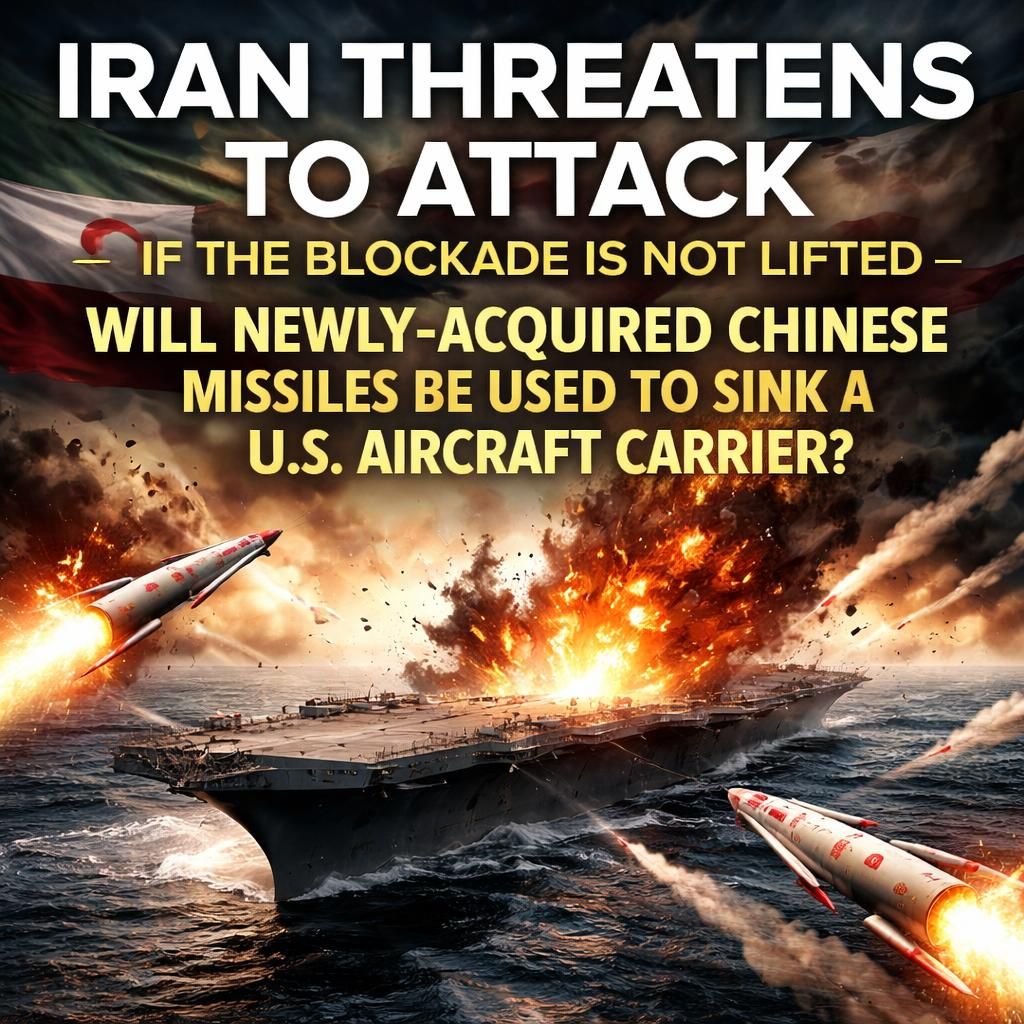
The reported acquisition of advanced anti-ship missile technology by Iran from Chinese sources has introduced a new variable into maritime security calculations. The potential deployment of the CM-302, a system characterized by high-speed, sea-skimming capabilities, shifts the tactical environment for naval forces operating in the region. This development forces a reassessment of existing defensive layers and the efficacy of current electronic warfare suites against high-velocity, low-altitude threats.
Tactical Shifts in Maritime Defense
The introduction of these systems into the regional inventory challenges the traditional dominance of carrier strike groups. If these assets are integrated into existing coastal defense networks, the risk profile for naval transit through critical chokepoints increases significantly. The focus for defense planners now shifts toward the rapid deployment of directed-energy weapons and enhanced point-defense systems capable of intercepting supersonic threats. This hardware-centric challenge necessitates a faster procurement cycle for defensive technologies that can mitigate the specific flight profiles of these Chinese-made systems.
Industrial Read-Through and Procurement Cycles
For the broader industrial and defense landscape, this escalation underscores the necessity for sustained investment in next-generation naval defense. Companies involved in radar detection, missile defense, and electronic countermeasures are likely to see increased demand for systems that can operate in contested electromagnetic environments. The reliance on legacy defense systems is being tested by the proliferation of these advanced munitions, which may lead to a shift in capital allocation toward more agile, software-defined defensive platforms.
AlphaScala data currently reflects a mixed sentiment across several sectors, with U (Unity Software Inc.) at 42/100, BE (Bloom Energy Corp) at 46/100, and AS (Amer Sports, Inc.) at 47/100. While these specific tickers operate outside the immediate defense-contracting sphere, the broader stock market analysis suggests that geopolitical risk premiums are beginning to influence capital flows into established defense contractors. Investors are increasingly looking at firms that provide the backbone for NVIDIA profile accelerated computing, which is now essential for the real-time processing required to track and neutralize high-speed threats.
The Path Toward Defensive Reconfiguration
The next concrete marker for this narrative will be the formal response from regional naval commands and any subsequent adjustments to standard operating procedures for vessel transit. Observers should monitor upcoming defense budget supplemental requests, which will likely prioritize funding for advanced interceptor development and long-range surveillance upgrades. The ability of the defense industrial base to scale production of these specific defensive countermeasures will determine the long-term impact on regional stability and the associated risk premiums embedded in global shipping and energy logistics. As the situation evolves, the focus remains on the integration of these missiles into existing Iranian command-and-control structures and the corresponding defensive posture adopted by allied naval forces.