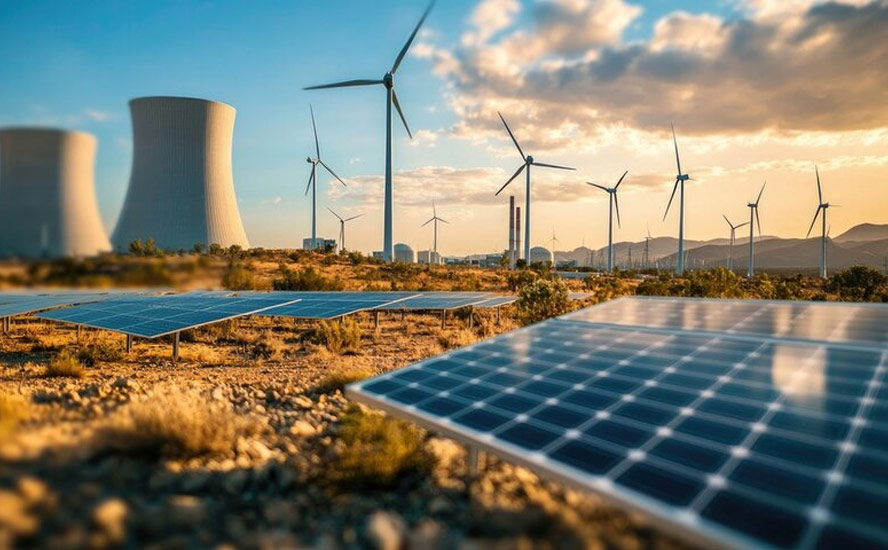
The ongoing closure of the Strait of Hormuz has entered its second month, forcing a fundamental reassessment of energy security among major importers. This disruption to global oil transit has moved beyond a temporary supply shock, acting as a catalyst for national policy shifts toward renewable energy infrastructure. Countries previously reliant on stable maritime oil corridors are now prioritizing domestic power generation to insulate their economies from persistent volatility in fossil fuel logistics.
Structural Shifts in Energy Dependency
The persistence of the conflict has exposed the fragility of energy supply chains that rely on narrow maritime chokepoints. As the cost of securing these routes rises, the economic argument for renewable energy has transitioned from environmental policy to a matter of national security. Governments are reallocating capital toward wind, solar, and battery storage projects to reduce the strategic leverage held by oil-producing regions. This pivot is not merely a reaction to price spikes but a long-term adjustment to the reality of restricted transit corridors.
Commodity Market Contagion
The energy crisis is exerting downward pressure on broader commodity markets, including mining and metals. As the dollar tests key resistance levels, the resulting strength in the currency has created a difficult environment for precious metals. Gold, silver, and platinum are currently facing significant bearish momentum. The following factors are driving this trend:
- The strengthening dollar increases the cost of dollar-denominated commodities for international buyers.
- High energy costs are inflating operational expenses for mining firms, compressing margins.
- Capital flight from industrial metals is occurring as investors prioritize liquidity during the ongoing geopolitical uncertainty.
AlphaScala Data and Market Context
While energy markets grapple with these supply constraints, consumer-facing entities continue to navigate shifting discretionary spending patterns. For instance, HAS stock page remains Unscored in our current analysis, reflecting the broader volatility within the Consumer Cyclical sector as households adjust to higher energy-driven inflation. HAS (Hasbro, Inc.) operates within this sector, where cost-of-living pressures often dictate revenue cycles. Investors looking for broader stock market analysis should note that the current correlation between energy security and currency strength is creating a divergence between energy-independent nations and those still tethered to traditional fuel imports.
Future market stability depends on the duration of the Strait of Hormuz closure and the subsequent pace of renewable infrastructure deployment. The next concrete marker for this narrative will be the upcoming quarterly energy import reports from major Asian and European economies. These filings will provide the first quantifiable evidence of whether the current crisis has successfully accelerated the transition away from oil or if the economic burden of the transition remains a primary hurdle for policy implementation.