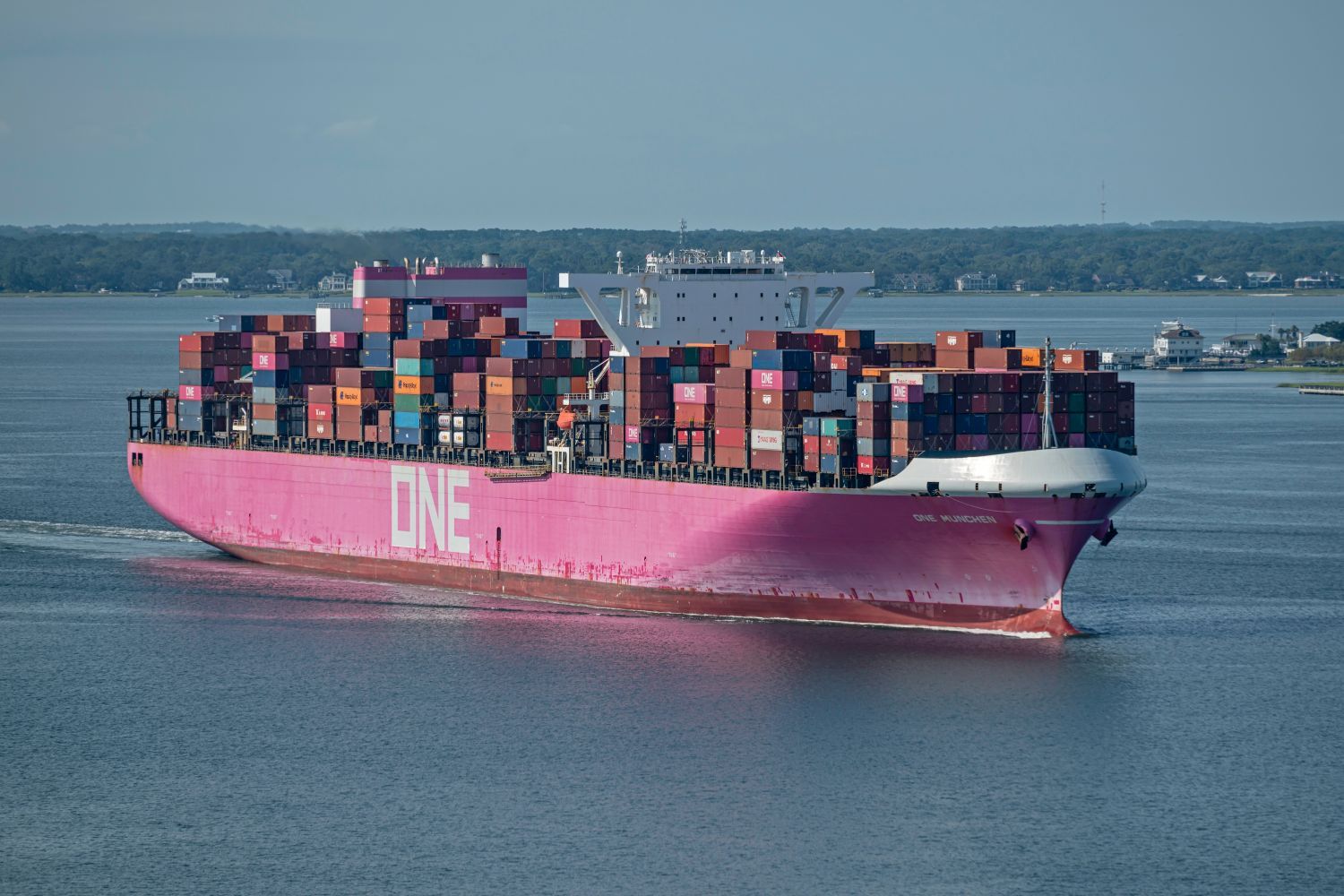
Ocean Network Express (ONE) has issued a downward revision for its fiscal year 2026 net profit, projecting an 11% decline as the carrier navigates the ongoing disruptions in the Middle East. The company attributes this outlook to the persistent volatility within the region, which has forced significant shifts in global shipping routes and operational logistics. While management maintains an assumption that conditions will return to pre-conflict norms by the summer, the current reality of diverted vessels and extended transit times continues to weigh on the bottom line.
Operational Friction and Fuel Cost Pressures
The primary driver of this profit contraction is the increased cost burden associated with rerouting vessels away from traditional corridors. These operational changes have introduced significant complexity into the company's fuel procurement and consumption models. As carriers face longer voyages to avoid conflict zones, the resulting surge in fuel demand has complicated the process of finalizing new trans-Pacific service contracts.
Mid-size importers have expressed a degree of satisfaction with current base rates, yet the underlying instability remains a point of contention for long-term contract negotiations. The industry is currently balancing the following factors:
- Increased bunker fuel consumption due to extended route distances.
- Higher insurance premiums linked to transit through high-risk maritime zones.
- A shift in vessel capacity allocation to accommodate longer lead times.
Sector Read-Through and Global Logistics
The situation at ONE serves as a bellwether for the broader container shipping sector. When major carriers adjust profit expectations due to regional conflict, it signals a structural shift in how global trade flows are managed. The reliance on the assumption that conditions will normalize by summer suggests that the industry is operating on a fragile timeline. If these operational conditions fail to stabilize, the pressure on profit margins will likely extend beyond the current fiscal forecast.
This development mirrors broader concerns in global markets, such as those detailed in the Bank of England Navigates Inflationary Risks Amid Middle East Instability. The linkage between maritime security and inflationary pressure remains a critical variable for supply chain managers and investors alike. For those tracking the technology sector that supports these logistical networks, such as NET stock page, the volatility in global trade often correlates with increased demand for secure, cloud-based supply chain monitoring tools. AlphaScala currently assigns NET an Alpha Score of 33/100, labeling the stock as Weak within the technology sector.
The Path to Stabilization
The next concrete marker for the industry will be the mid-year assessment of trans-Pacific contract renewals. If the anticipated stabilization of operational conditions does not materialize by the summer, carriers will likely be forced to pass on higher surcharges to importers to protect margins. Investors should monitor upcoming quarterly updates for any adjustments to the company's fuel hedging strategies or changes to their vessel deployment schedules. The ability of the carrier to maintain its current service levels without further eroding its net profit will depend heavily on the evolution of the geopolitical landscape in the coming months.