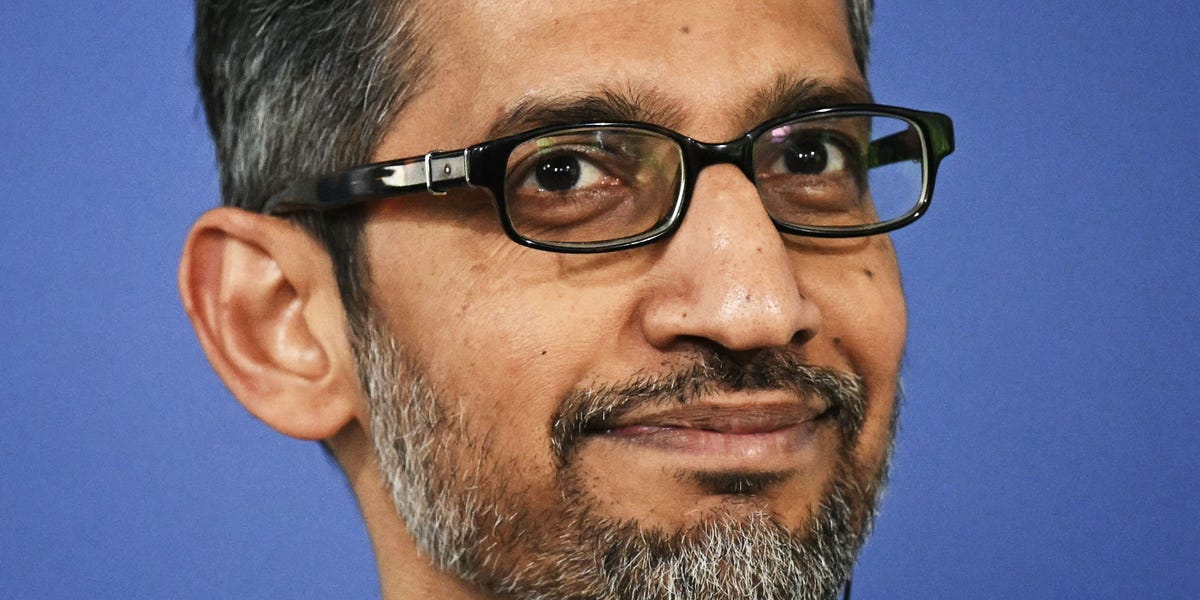
Google’s annual I/O developer conference delivered a massive AI push into its core products. Search head Liz Reid called the update the biggest upgrade since Search launched over 25 years ago – AI Mode becomes the default experience. A new 24/7 assistant called Spark will run across Gemini and Google’s app suite, with a starting price of $100 per month and a full Ultra tier at $249 per month. The stock reaction was muted, with GOOGL moving less than 1% in the week following the event. The risk that deserves watchlist attention is not technical or competitive. It is demographic.
The Survey Data That Undermines the Adoption Narrative
Two surveys cited around I/O point to a structural shift in sentiment among 14- to 29-year-olds.
- Excitement toward AI has dropped 14% over the past year in that age group.
- 44% of Gen Zers said they had undermined or resisted their company’s AI strategy.
These are not passive negative attitudes. The 44% figure indicates active friction inside organizations that build and use AI tools. The risk for Google is that its own younger employees, as well as the Gen Z users who will determine the next decade of search habits, are not buying the narrative.
Anecdotal Signals That Confirm the Trend
Two high-profile commencement speakers – former Google CEO Eric Schmidt and Big Machine Records CEO Scott Borchetta – were booed when they discussed AI during graduation speeches. An AI system also failed to read student names correctly at one school’s ceremony. These incidents match the survey trend. The public face of AI is generating a negative emotional response from the cohort that will be its heaviest users for decades to come.
Simple Read vs. The Better Market Read
The simple read is that Google is investing heavily, usage is growing, and AI-driven ad revenue will follow. CEO Sundar Pichai reported strong metrics: AI Overviews in Search has 2.5 billion monthly active users, AI Mode has over 1 billion, and overall monthly AI product usage across Google increased sevenfold since last year. Those numbers look bullish.
The better market read accounts for the mechanism behind those numbers and the risk of a slow erosion.
The Mechanism: Habit Formation and Ad Revenue
Google’s ad business depends on habitual, trust-based search behavior. Users who feel they are being fed AI-generated answers rather than curated results may shift their queries toward alternatives. The risk is not an immediate collapse in usage. The risk is a slow, compounding reduction of one query per day from millions of Gen Z users. That compounds into a measurable drag on ad impressions over multiple quarters.
The Execution Risk Inside Google
The 44% of Gen Zers who resist their company’s AI strategy includes Google’s own younger employees. Internal resistance can slow feature deployment, increase quality-assurance costs, and generate negative press. When Spark is marketed as “tossing things over your shoulder,” any high-profile failure becomes a viral story that reinforces skepticism. Internal leaks or walkouts over AI ethics would add a talent-retention cost to the marketing push.
Exposure Map: GOOGL and the AI Sector
The primary affected asset is Google (GOOGL) . The risk is concentrated in the Search and Cloud businesses, which represent the bulk of revenue. Secondary exposure exists across the big tech cohort. If the Gen Z resistance narrative gains traction, it will affect sentiment toward any company aggressively pushing consumer AI features. That includes Microsoft (MSFT) with Copilot and Meta (META) with AI assistants.
Spark’s Pricing Signal
Spark pricing starts at $100 per month with the full Ultra tier at $249 per month. Those are high price points for a demographic that is already cost-sensitive. If Gen Z users do not adopt Spark, the subscription revenue projections for Gemini become harder to hit. Google is essentially asking the cohort most skeptical of AI to pay a significant monthly fee for an assistant they may not trust.
The Catalyst Path and What to Watch
The next concrete decision point for traders is the Q2 2025 earnings report from Google, expected in July. The key metrics will not be headline AI user numbers. Watch for:
- Search revenue growth by region, especially among younger demographics if segment data is provided.
- Cloud revenue tied to AI workloads – enterprise adoption is less vulnerable to Gen Z sentiment.
- User retention for AI Mode and Spark – any mention of churn or lower engagement among users under 30.
A separate catalyst is the release of any new Gen Z sentiment surveys. If the 44% resistance figure rises or the excitement drop deepens beyond 14%, the risk intensifies.
What Would Reduce the Risk
- A survey showing that Gen Z excitement toward AI is stabilizing or rising.
- Google reporting that AI Mode is driving higher time-on-site and ad click-through rates among users aged 18-29.
- Enterprise adoption of Gemini outpacing consumer adoption, making Google less dependent on Gen Z sentiment.
What Would Make It Worse
- A high-profile AI failure that directly affects Gen Z users – for example, Spark delivering incorrect graduation guidance or failing a widely shared test.
- Employee leaks or walkouts related to AI ethics, adding a talent-retention cost to the marketing push.
- A competitor like Perplexity or OpenAI capturing Gen Z search share by offering a less intrusive AI experience.
Risk to watch: If Gen Z ad avoidance accelerates alongside AI integration, Google’s core search revenue faces structural pressure that will not show in aggregate user numbers for several quarters.
The Broader Context for AI Spending
The risk does not change Google’s incentive. The company has bet its future on AI, as have its peers. Executives have little choice – they must keep pushing features into the hands of users, hoping that habit formation outruns resistance. The Bezos on AI Bubble analysis applies here: the spending itself is the point, and companies are committed regardless of short-term adoption hiccups.
For readers building a watchlist, the Gen Z resistance data adds a layer of due diligence. It does not mean the AI bet is wrong. The smooth adoption path that current user numbers suggest may have an inflection point ahead. Google’s Q2 earnings and the next round of Gen Z sentiment polling will show whether that inflection is real.
For broader context on how to evaluate large-cap tech during narrative shifts, see our stock market analysis. The Bezos on AI Bubble piece explains why spending commitments persist despite adoption risks.