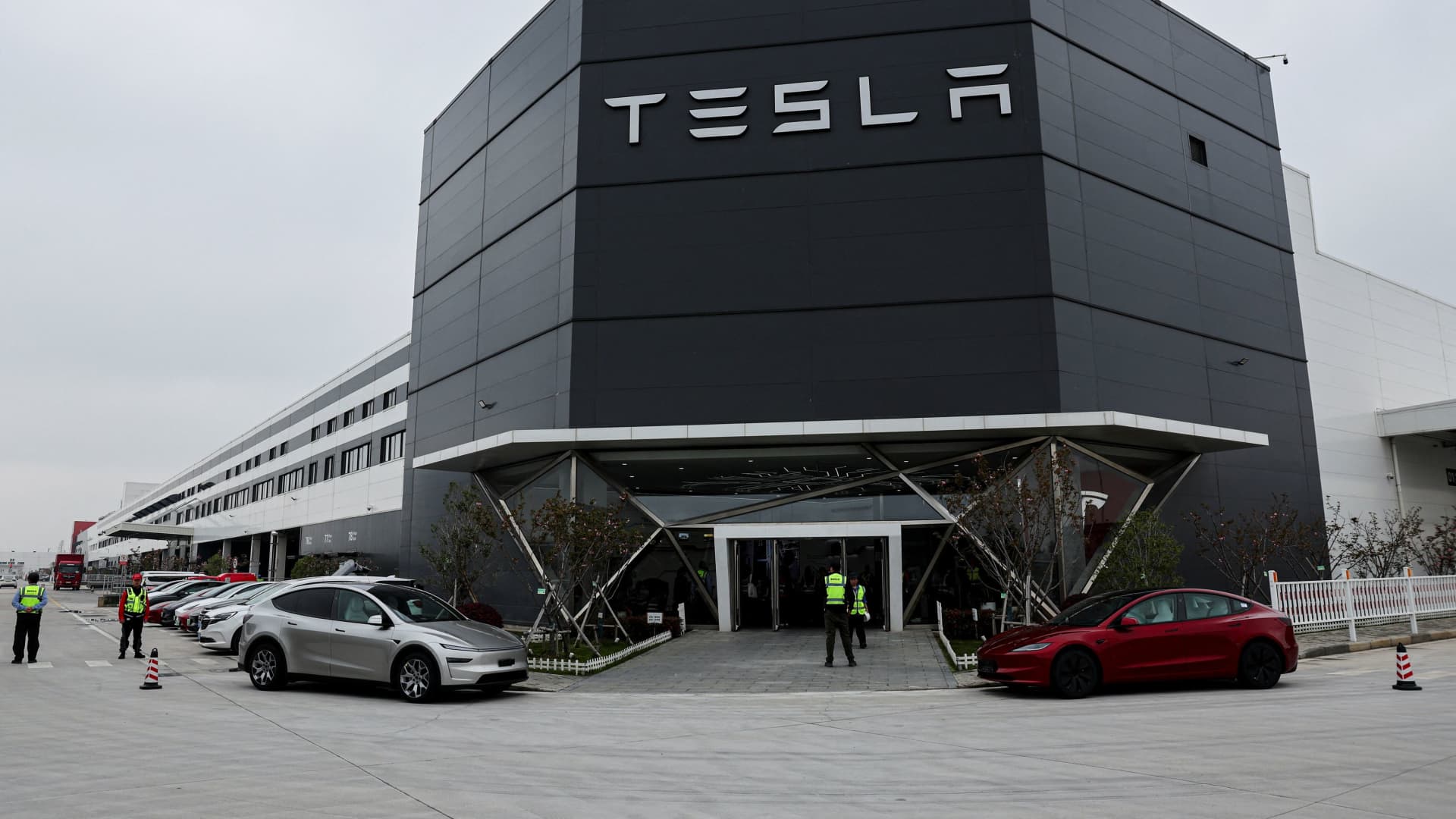
Geely's Xingyuan electric hatchback was the best-selling car model in China in the first half of 2025, with nearly 197,500 units sold, according to industry data from Autohome. The model, priced just under 100,000 yuan ($14,820), edged out Tesla's Model Y, which sold more than 180,000 units at a price range of 263,500 to 313,500 yuan.
The ranking shows the rapid shift toward electric vehicles in the world's largest auto market. New energy vehicles, including battery and hybrid models, accounted for 65.1% of new passenger car sales in July, up from 54% a year ago, the China Passenger Car Association reported Tuesday.
BYD, the overall sales leader by volume, placed three models in the top 10 but none in the top four. Its best-selling model, the Yuan UP SUV, ranked fifth with about 97,700 units sold. BYD's passenger car sales dropped more than 10% in the first half, the company said. The Ti 7, under BYD's off-road brand, and its Sealion 06 SUV took sixth and seventh.
Volkswagen's gasoline-powered Lavida was the only traditional foreign brand in the top 10, coming in ninth. It was sandwiched between Leapmotor's A10 electric SUV in eighth and Geely's gasoline Boyue L in tenth. Li Auto's i6 SUV and Xiaomi's SU7 sedan also made the list but trailed the leaders.
Despite the EV surge, total passenger car sales in China fell 20.3% in the January-July period, with new energy vehicle sales down 12.5%, industry data showed. The decline follows a broader economic slowdown and intense price competition that has squeezed margins across the industry.
Geely ranked second in overall China sales volume in 2025, trailing only BYD. The company still sells gasoline cars alongside EVs, including models under its premium Zeekr brand. Its Xingyuan success shows how affordable pricing can capture volume in a market where consumers are increasingly cost-conscious.
The CPCA's July data showed new energy vehicles made up 65.1% of sales, up from 54% a year earlier.