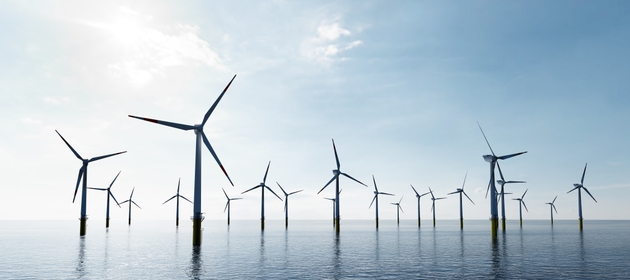
A Massachusetts judge declined to lift an injunction that forces GE Vernova to keep supplying turbines for the Vineyard Wind project. The ruling also blocks the company from sending its dispute with the project developer into arbitration. For GE Vernova, the decision removes the most obvious off-ramp from a contract that has already generated cost overruns and reputational damage.
The injunction was originally granted after the developer argued that halting turbine deliveries would cause irreparable harm to the project timeline. GE Vernova had sought to pause work and move the disagreement to arbitration, a standard contractual escape hatch. The judge’s order keeps the company on the hook for continued performance, at least until a full trial or a negotiated settlement.
Why the Vineyard Wind Ruling Changes GEV’s Risk Profile
GE Vernova’s offshore wind business has been under pressure since blade failures at Vineyard Wind and other projects triggered warranty charges and delivery delays. The Vineyard Wind contract is one of the largest in the company’s renewable energy pipeline. Being forced to continue work without the ability to arbitrate means GE Vernova absorbs the execution risk of a project that has already proven technically and financially difficult.
The ruling also limits the company’s ability to reallocate turbine manufacturing capacity to other customers. With offshore wind developers already struggling with inflation and permitting delays, any signal that GE Vernova is locked into a troubled contract could weigh on new order negotiations.
The Next Decision Point for GEV Investors
GE Vernova’s Alpha Score of 52 (Mixed) reflects the uncertainty around its offshore wind segment. The stock page at GEV stock page shows a sector classification of Industrials. The real driver of near-term sentiment is project execution, not macro trends.
Investors should watch for two signals. First, any indication that GE Vernova will appeal the ruling or seek a stay. Second, the company’s next earnings call, where management will have to address the financial impact of being forced to continue work on a contract they wanted to exit. If the company announces a charge or a revised timeline for Vineyard Wind, the stock could face renewed selling pressure.
For a broader view of how offshore wind litigation affects the sector, see stock market analysis. The ruling is a reminder that contract disputes in large infrastructure projects rarely resolve quickly. GE Vernova’s renewable energy turnaround depends on more than just technology; it now hinges on a court order.