Galileo Mining shares rose 3.23% to 16.0 cents after geophysical data confirmed high-priority drill targets at the 255 square kilometer Norseman project.
Alpha Score of 40 reflects weak overall profile with weak momentum, weak value, weak quality, moderate sentiment.
Galileo Mining (ASX: GAL) has secured a technical validation for its upcoming exploration campaign at the Norseman project in Western Australia. The company reported that new interpretations of gravity and induced polarisation (IP) survey data have identified high-priority targets at the Mission Sill prospect. This development follows recent reverse circulation (RC) drilling that confirmed shallow sulphide mineralisation, providing a structural roadmap for the next phase of activity.
Managing Director Brad Underwood noted that the IP data indicates a strong response adjacent to previous drill intercepts, suggesting the presence of geological contact zones favorable for mineralisation. These zones are being prioritized based on their proximity to the company’s existing Callisto discovery, which serves as the primary geological model for the region. The gravity survey has expanded the scope of the project, confirming over 20km of strike length around the Callisto resource and an additional 10km of strike at the Mission Sill prospect.
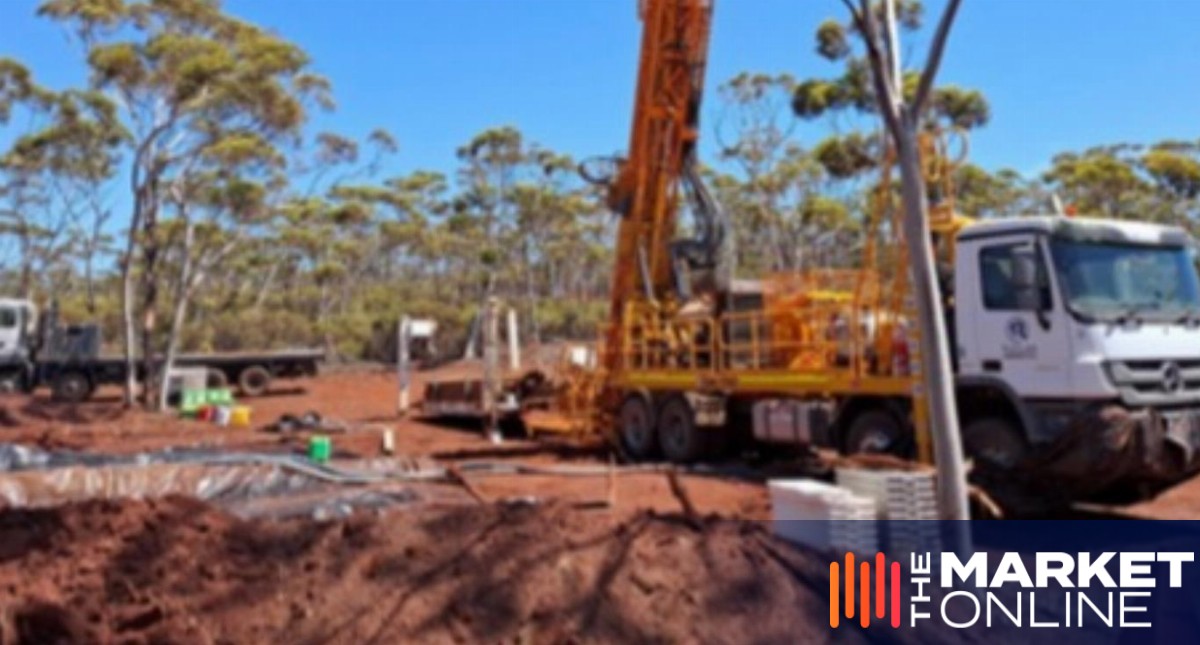
The company is positioning its next drill program to leverage these geophysical findings through a two-pronged approach. First, the team will conduct infill drilling at Mission Sill to better define the extent of the sulphide mineralisation identified in earlier campaigns. Second, the program will initiate first-pass drilling at untested zones within the Callisto South prospect. This strategy aims to expand the footprint of the 255 square kilometer project area, which holds potential for a suite of metals including palladium, platinum, nickel, copper, cobalt, and rhodium.
The Callisto deposit, discovered in 2022, remains the cornerstone of the Norseman project. It is classified as the first deposit of its type identified in Australia, with mineralisation styles analogous to the Platreef deposits of South Africa. By applying the geophysical signatures observed at Callisto to the broader regional prospects like Jimberlana and Mission Sill, the company is attempting to replicate the geological conditions that led to its initial discovery.
Following the announcement, GAL shares rose 3.23% to 16.0 cents, bringing the company's market capitalization to approximately $30.63 million. While the positive geophysical data provides a technical catalyst for the upcoming drill program, the market reaction reflects the speculative nature of junior exploration. Investors should distinguish between the identification of geophysical anomalies and the confirmation of economic mineral grades. The primary risk for participants remains the conversion rate of these targets into drill-defined resources, as geophysical responses can often be influenced by non-economic geological features.
For those tracking the broader sector, the performance of junior miners often hinges on the ability to maintain liquidity while funding multi-stage exploration programs. The Norseman project’s scale is significant, but the capital intensity required to fully test a 255 square kilometer area necessitates disciplined execution. The upcoming drill results will serve as the next concrete marker for the project's viability, specifically regarding whether the Mission Sill prospect can demonstrate continuity of the sulphide mineralisation seen at Callisto. If the infill drilling fails to intercept consistent grades, the market may quickly discount the geophysical targets, regardless of the strength of the IP response. Conversely, successful intercepts would likely validate the current exploration model and increase the probability of resource expansion. For broader context on how such exploration-heavy firms navigate capital markets, stock market analysis provides a useful framework for evaluating risk-reward profiles in the junior mining space.
AI-drafted from named sources and checked against AlphaScala publishing rules before release. Direct quotes must match source text, low-information tables are removed, and thinner or higher-risk stories can be held for manual review.