Crypto▼ Bearish
G7 Targets North Korea's Crypto Heists With Coordinated Crackdown
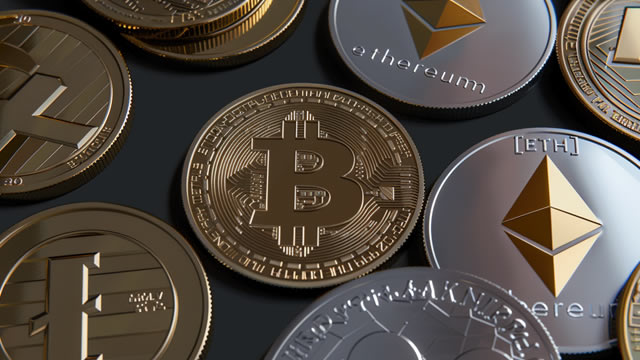
G7 leaders called for coordinated action against North Korean-linked hacking groups that have stolen billions in crypto, pushing for shared intelligence and collective countermeasures.
Continue with
G7 leaders called for coordinated international action against North Korean-linked hacking groups that have stolen billions in digital assets, marking a shift from past statements that stopped short of demanding collective countermeasures.
The statement, issued after the group's latest summit, named state-backed actors from the Democratic People's Republic of Korea as the primary threat. These groups have been tied to some of the largest heists in crypto history, with stolen funds widely believed to flow back into Pyongyang's national programs. The G7's language was direct: no single country can handle this alone, and the current patchwork of national responses is not working.
What separates this from earlier warnings is the explicit push for shared intelligence and coordinated defenses. G7 leaders are not just flagging the problem. They want countries to pool resources, share threat data, and build a collective posture that can adapt as North Korean tactics evolve. The scale of the thefts has made this a geopolitical concern, not just a cybersecurity issue.
DPRK-affiliated groups have been implicated in some of the biggest crypto thefts on record. These are not opportunistic hacks. They are structured operations run with the kind of efficiency that suggests serious state backing. The funds are widely believed to support North Korea's weapons programs, which gives Pyongyang a direct financial incentive to keep going. That is the part that alarms global leaders most. It is state-sponsored looting of the digital financial system, and the profits are funding something.
The crypto sector still carries vulnerabilities that make it a prime target. Transactions can be obscured. Assets move fast across borders. The regulatory patchwork across jurisdictions creates gaps that skilled actors know how to exploit. DPRK-linked groups have reportedly gotten very good at finding those gaps.
The concern goes beyond the raw dollar losses. When state-affiliated actors can extract billions from global markets without serious consequence, it raises harder questions about what other systems might be vulnerable, and whether the current architecture of digital finance is equipped to handle threats at this level.
Here is the tricky part. The G7's call did not come with a detailed playbook. Specific coordinated measures were not disclosed. No joint task force was announced. No shared intelligence protocol was named publicly. No timeline was set for implementation. That is either a sign that discussions are still early, or that the harder negotiations are happening behind closed doors. Probably both.