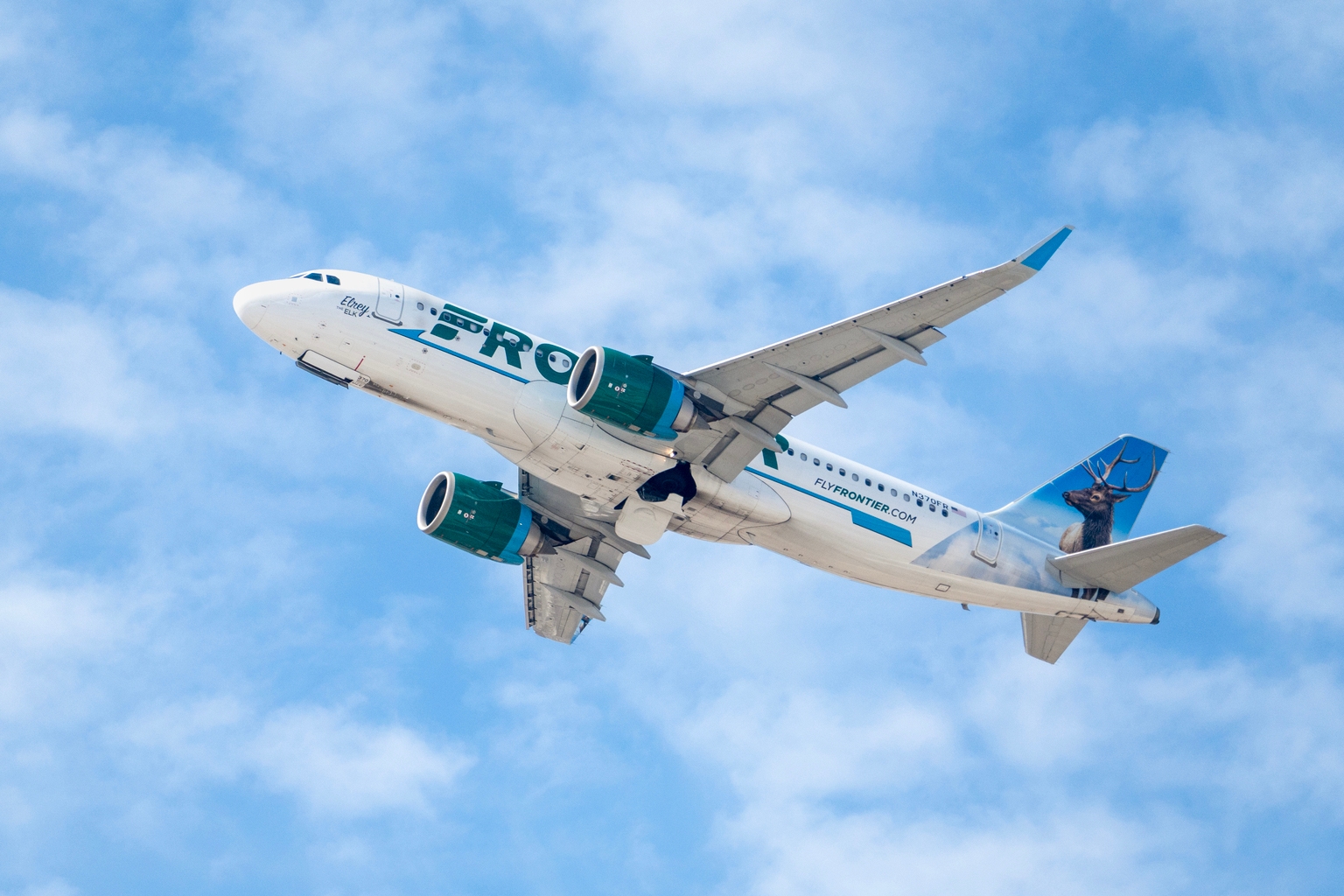
Frontier Group Holdings extended its 20-year credit card agreement with Barclays. The move locks in a long-term revenue stream from co-branded card spending, a critical source of ancillary income for ultra-low-cost carriers. Airlines like Frontier rely on fees from baggage, seat selection, and credit card partnerships to supplement thin ticket margins. The agreement, first signed years ago, has been a steady contributor.
The extension comes as Frontier pushes a broader transformation. The airline has added premium seating and tried to attract higher-spending travelers. It has also revamped its loyalty program to compete with larger carriers. The credit card partnership is central to that strategy. Cardholders earn miles on spending, which drives repeat business and gives Frontier a cut of transaction fees. The card also serves as a marketing tool, putting the Frontier brand in front of millions of consumers.
For Barclays (BCS stock page), the deal secures a co-brand partner in a competitive airline card market. The bank, with an AlphaScala Alpha Score of 59 (Moderate), has been expanding its consumer card portfolio. Barclays also issues cards for American Airlines and JetBlue, giving it a diversified airline card book.
The 20-year term removes uncertainty around a key revenue line. Frontier can plan around those card economics for two decades. The stock, down about 30% over the past year, now has a long-term revenue anchor. Whether that is enough to reverse the decline depends on the broader turnaround.
The credit card deal is one piece of a larger puzzle. Frontier still needs to prove its transformation works. Unit revenue has lagged rivals like Spirit and Allegiant. Fuel costs remain volatile. The airline faces stiff competition on routes to Florida and the Caribbean. Demand for leisure travel could soften if the economy slows. The card revenue, while stable, is tied to consumer spending. A recession would cut card usage and miles earned, reducing the benefit.
What would confirm the thesis? If Frontier shows improving unit revenue and keeps cost per available seat mile in check, and if credit card revenue grows, the thesis gains support. Market share gains in key leisure markets would also help. If the airline can show that its premium seating and loyalty changes are driving higher spending per passenger, the transformation story becomes more credible.
What would weaken it? A sharp rise in fuel prices or a recession that cuts travel demand would weaken the case. A failure to execute the premium seating rollout would also hurt. If Barclays tightens credit standards due to rising defaults, card issuance could slow. Any of those would put the transformation at risk.
The agreement runs through 2044. The agreement gives Frontier a long runway to execute. The stock remains a speculative bet on a turnaround that is far from complete. The credit card deal reduces one risk. The others are still on the table.