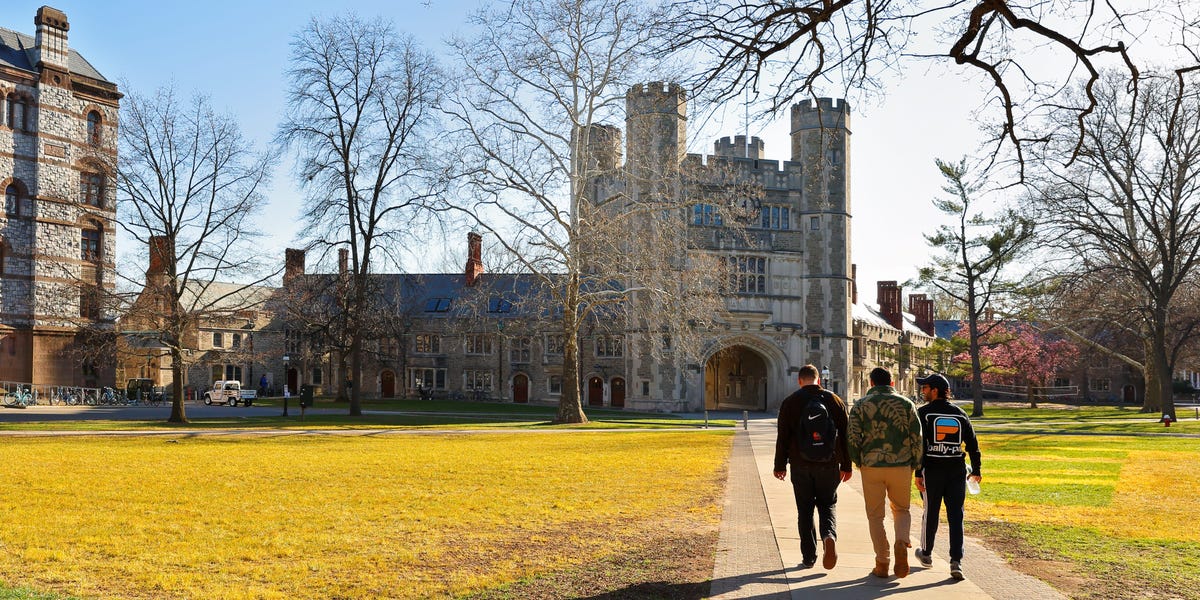
Forty U.S. colleges now offer free tuition to some students through financial aid, no-tuition policies, and income-based programs. The list includes selective schools where the annual sticker price already surpasses $100,000. For equity investors focused on the education space, this is not a passive trend. It directly shrinks the revenue pool for for-profit universities and private student lenders that depend on high-tuition enrollment and debt-financed attendance.
The Free Tuition Trend: Who Benefits and Who Loses
The simple read is that free tuition programs help families and reduce student debt. The better market read is that these programs shift enrollment toward well-endowed nonprofits and away from for-profit chains that lack the subsidy capacity. Schools with large endowments absorb the cost through internal aid; for-profits cannot. That dynamic makes for-profit education stocks structurally less attractive unless they pivot to vocational or non-degree offerings. The same logic applies to private lenders: Sallie Mae (SLM) and Navient (NAVI) face a narrower addressable market as more students opt for low- or zero-tuition options at selective public and private colleges.
Sector Impact: For-Profit vs. Nonprofit Economics
Forty colleges is a critical mass. When a selective school like Princeton or MIT adopts a no-loan policy, the effect cascades. Competitive peer schools must match or lose top applicants. The mechanism here is endowment spending. Schools with over $1 billion in endowments can sustain free tuition for a share of their class; smaller schools cannot. This bifurcation creates a durable advantage for the brand-name nonprofits and a slow erosion of pricing power for the rest. Investors in education ETFs such as the Global X Education ETF (EDUC) should watch which holdings have exposure to low-endowment private colleges or tuition-dependent for-profits. Confirmation of this trend would be a wave of similar policy announcements from the remaining top-50 schools. Weakening the thesis would be a slowdown in endowment growth that forces even wealthy schools to reinstate tuition.
The Next Decision Point for Investors
The catalyst path is legislative and demographic. If free tuition gains bipartisan support at the state level, public flagship universities could expand income-based programs further. That would compress margins at regional private colleges that already struggle with enrollment. The next concrete decision point is the 2025-2026 financial aid cycle. Schools that announce free tuition expansions in the spring will set the floor for competitive bidding. Investors in the student lending space need to watch those announcements as leading indicators of loan volume.
Free tuition at 40 colleges is not a marginal story. It is a structural shift in the cost structure of higher education. Equity holders in for-profit operators, private lenders, and under-endowed private colleges should treat this list as a watchlist, not a feel-good headline. The trend is early but compound. A single new policy next year could accelerate the re-rating of the entire sector.
For more on how these shifts affect broader stock market analysis, see our sector reviews. For broker access to education ETFs, check our guide to best stock brokers.