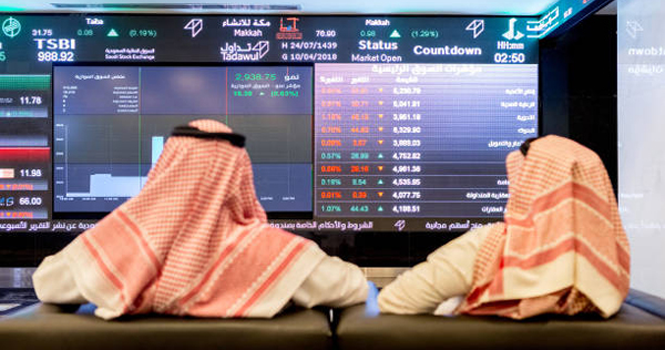
Foreign institutional investors recorded a net buying position of SAR 2.33 billion on the Saudi Exchange (Tadawul) for the week ending April 16. This capital movement signals a distinct shift in liquidity preferences within the regional equity landscape. The scale of this inflow suggests that international participants are actively adjusting their exposure to Saudi-listed assets, prioritizing specific sectors that align with broader regional growth mandates.
Capital Allocation and Liquidity Shifts
The net inflow of SAR 2.33 billion represents a significant concentration of foreign capital within a single trading week. Institutional activity on Tadawul often serves as a barometer for regional market sentiment, particularly as global investors weigh the impact of geopolitical fragility and the shift in asset allocation strategy against local macroeconomic performance. By focusing on net buying, these institutions are signaling confidence in the underlying valuation of the exchange, despite external pressures on emerging market liquidity.
This influx of capital is not occurring in a vacuum. It follows a period of heightened interest in the Saudi equity market, driven by ongoing efforts to diversify the national economy and integrate more deeply with global financial indices. The ability of the market to absorb this level of institutional buying without triggering extreme volatility suggests a deepening of the local investor base and improved depth in order books.
Sectoral Read-Through and Market Depth
The concentration of foreign buying often points toward the largest capitalized companies on the exchange, which typically serve as the primary vehicles for institutional entry. While the specific sectoral breakdown of these purchases remains under review, the magnitude of the inflow implies a broad-based confidence in the structural reforms currently underway in the Kingdom. For investors tracking these moves, the primary focus is whether this capital represents a long-term strategic allocation or a tactical response to short-term price discrepancies.
AlphaScala data currently tracks various technology and infrastructure sectors that intersect with these capital flows. For instance, companies like ON Semiconductor Corporation, which holds an Alpha Score of 45/100 and a label of Mixed, and Cloudflare Inc., with an Alpha Score of 29/100 and a label of Weak, provide a reference point for how global technology valuations are currently being assessed by institutional desks. You can monitor these movements further on the ON stock page or the NET stock page.
Next Markers for Institutional Sentiment
The next critical indicator will be the follow-up data on foreign ownership levels for the subsequent reporting period. If the net buying trend persists, it will likely provide a floor for equity valuations during periods of broader market turbulence. Conversely, a reversal in this flow would indicate that the recent activity was a temporary rebalancing exercise rather than a long-term commitment to the Saudi market.
Market participants should monitor the upcoming monthly disclosure of foreign holdings to determine if this capital is being deployed into cyclical sectors or if it is concentrated in defensive, high-dividend equities. The persistence of these inflows will ultimately dictate the momentum of the TASI index as it navigates the remainder of the quarter.