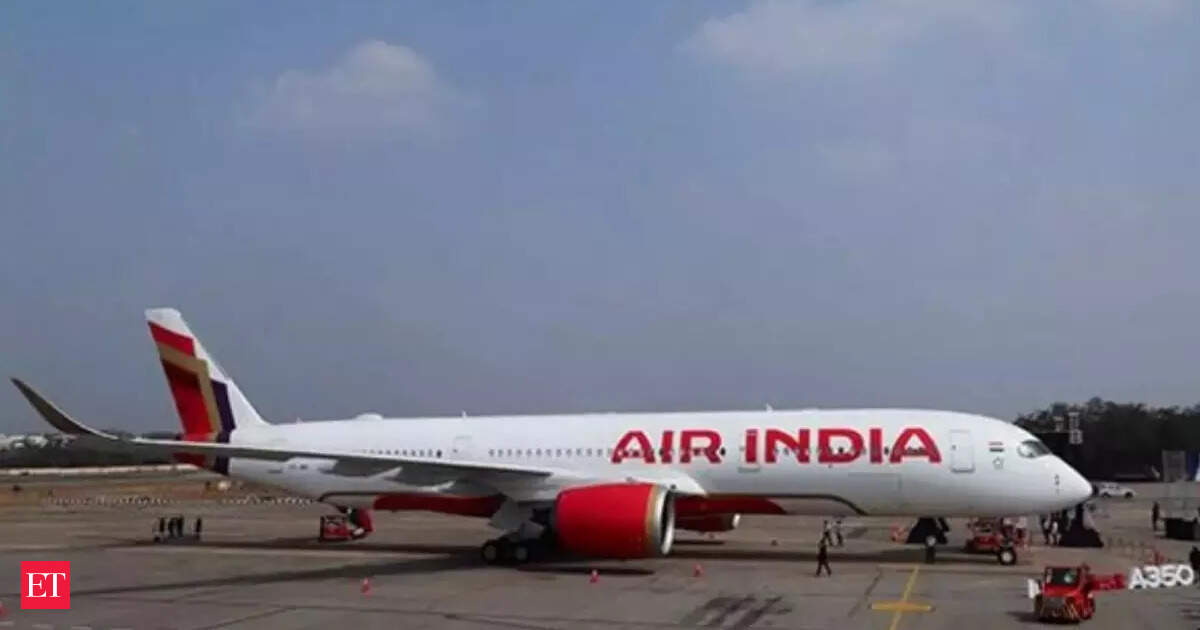
Air India has initiated a comprehensive overhaul of its passenger experience, signaling a strategic shift toward capturing higher-margin segments of the aviation market. The carrier is retrofitting its existing fleet with modern cabin interiors while simultaneously integrating new, state-of-the-art aircraft into its operations. This capital-intensive strategy aims to elevate the brand’s positioning to compete directly with global premium carriers.
Fleet Modernization and Cabin Upgrades
The core of this transformation involves a dual-track approach to fleet management. By upgrading the interiors of aging jets, the airline seeks to standardize the passenger experience across its network without waiting for the full delivery cycle of new aircraft. This move is designed to minimize service inconsistencies that have historically hindered the airline’s ability to command premium pricing. The introduction of new aircraft is expected to improve fuel efficiency and operational reliability, which are critical components for long-term margin expansion in the capital-intensive airline sector.
Capturing the Premium Traveler Segment
The launch of exclusive airport lounges serves as a key pillar in the company’s effort to increase its share of the premium traveler market. By focusing on the end-to-end journey, the airline is attempting to move away from volume-based competition and toward a yield-focused model. This transition is essential for improving financial performance as the company attempts to move past historical operational inefficiencies. Success in this segment will depend on the airline's ability to maintain these service standards consistently across its international and domestic hubs.
Strategic Implications for Aviation Markets
This shift in service strategy creates a new competitive dynamic for regional and international carriers operating in the Indian market. As Air India elevates its product, competitors may be forced to respond with their own capital expenditures to protect market share in the business and first-class cabins. This cycle of investment often leads to increased industry-wide capacity, which can pressure yields if demand does not keep pace with the influx of premium seating.
AlphaScala data currently tracks various sectors for volatility and performance shifts. For instance, companies like ServiceNow (NOW stock page), ON Semiconductor (ON stock page), and Welltower (WELL stock page) maintain mixed Alpha Scores, reflecting the broader uncertainty in capital allocation across the technology and real estate sectors. Investors should monitor how these shifts in corporate strategy impact stock market analysis for companies heavily exposed to consumer discretionary spending.
The next concrete marker for this narrative will be the airline's reported yield per available seat kilometer in upcoming quarterly disclosures. Sustained growth in this metric will indicate whether the premium makeover is successfully translating into top-line revenue gains or if the increased operational costs are offsetting the benefits of the service upgrades. Future fleet delivery schedules will also serve as a barometer for the pace of this transformation.