Crypto▼ Bearish
Football clubs face FCA action over unauthorized crypto deals
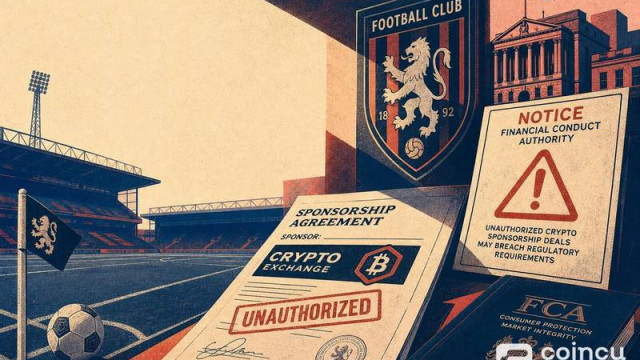
Clubs must audit crypto sponsorship contracts as FCA-IFR MoU enables joint enforcement. Without authorization or s21 approval, clubs risk fines and fan backlash.
Continue with
The UK Financial Conduct Authority has put football clubs on notice: a shirt sponsorship or stadium banner promoting an unauthorized crypto firm is itself a regulatory breach. Clubs now face direct enforcement, not just warnings to the crypto sponsor.
The trigger is a formal information-sharing agreement between the FCA and the Independent Football Regulator (IFR). A memorandum of understanding signed between the two bodies enables joint oversight where football and financial regulation overlap. Under the UK’s cryptoasset financial promotions regime, any marketing of crypto products to UK consumers must receive approval from an FCA-authorized firm or a registered s21 approver. Sponsorship arrangements – shirt logos, stadium signage, digital campaigns, fan token promotions – all qualify as financial promotions.
The FCA’s stance raises the legal and reputational stakes for every Premier League, Championship, and lower-league club that has signed or will sign a crypto sponsorship deal.
The MoU That Changes Crypto Sponsorship Risk
What the agreement enables
The FCA-IFR MoU creates a cross-regulatory channel. Previously, the FCA could investigate a crypto firm’s marketing but had limited visibility into club-level deal structures. The IFR can now surface contracts, flag promotional materials, and refer findings to the FCA faster than either body could act alone.
Why sponsorship qualifies as a promotion
Shirt sponsorships, stadium LED boards, social media banner placements – all push a crypto brand to a mass retail audience. The FCA’s financial promotions rules apply regardless of whether the club intended to promote a regulated product. The entity that hosts the promotion shares compliance responsibility with the crypto firm.
Key insight: Any crypto logo visible to UK fans is a financial promotion. The approval requirement is a deal cost, not a legal afterthought.
Who Is Exposed Along the Deal Chain
The naive read is that only the crypto firm bears compliance risk. The better market read is that clubs, marketing agencies, and commercial intermediaries all share liability. The FCA has made clear that the party facilitating the promotion cannot claim ignorance of the sponsor’s authorization status.
The exposure list
- Football clubs – If a partner lacks FCA authorization or a valid s21 approval, the club may be in breach for hosting the promotion.
- Crypto firms – Direct enforcement action for marketing unauthorized products to UK consumers.
- Marketing agencies and brokers – Facilitating a deal for an unauthorized firm creates shared liability under the regime.
- Fans – No legal risk, the warning aims to protect them from unregulated products marketed as club-endorsed.
The trust multiplier
Clubs command high retail trust. When a fan sees a crypto logo on a shirt, the endorsement effect is stronger than a digital ad. The FCA factors this into its analysis – the promotion has outsized reach, raising the regulatory bar.
What Would Worsen the Risk for Clubs
Several factors increase the probability of enforcement or reputational damage.