A Pivot Toward Advanced Nuclear Infrastructure
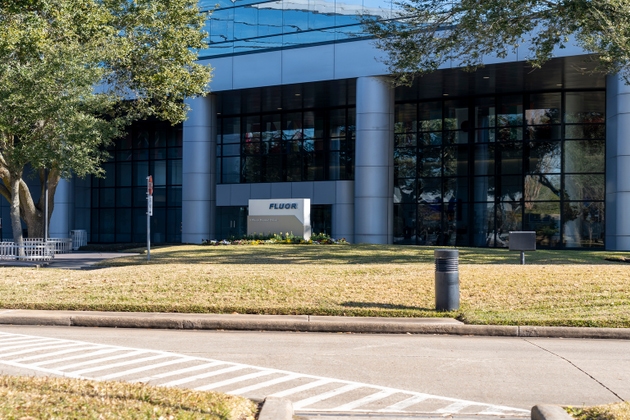
Fluor Corporation has officially secured a pivotal contract to support X-energy’s Seadrift small modular reactor (SMR) project. The initiative, designed to provide carbon-free energy to Dow’s manufacturing operations, represents a significant milestone in the industrial sector's transition toward sustainable, reliable power. By integrating advanced nuclear technology into large-scale chemical processing, this partnership signals a growing trend of heavy industry looking to SMRs to meet aggressive decarbonization mandates.
Project Scope and Financial Timeline
The collaboration centers on the deployment of X-energy’s Xe-100 reactor technology. Fluor, a global leader in engineering, procurement, and construction (EPC), will leverage its extensive experience in complex infrastructure to bring the project to fruition. For investors and market analysts, the timeline is clear: Fluor expects to recognize revenue associated with the Front-End Loading 2 (FEL-2) phase of the project in the first quarter of 2026.
However, the project remains subject to the rigorous regulatory framework of the U.S. Nuclear Regulatory Commission (NRC). The path to commercial operation is contingent upon obtaining all necessary permits and approvals, a hurdle that remains the primary gating factor for all domestic SMR deployments.
Why SMRs Matter for Industrial Markets
The Seadrift project is more than a standard construction contract; it is a proof-of-concept for the industrial application of nuclear energy. Unlike traditional, large-scale nuclear reactors, SMRs offer a modular design that allows for lower capital intensity and higher flexibility in siting. For a company like Dow, which requires high-temperature steam and reliable electricity for its chemical manufacturing, the Xe-100 provides a carbon-free alternative to traditional fossil fuel-based cogeneration.
For Fluor, this contract reinforces its position as a preferred partner for the energy transition. As global markets pivot toward net-zero targets, the demand for modular, scalable power solutions is surging. If the Seadrift project successfully navigates the NRC approval process, it could serve as a blueprint for similar industrial decarbonization projects globally, potentially opening a new revenue stream for Fluor’s nuclear energy business unit.
Market Implications and Investor Outlook
For traders watching the industrial and energy sectors, the Fluor-X-energy deal provides a tangible catalyst for long-term growth. While the 2026 revenue target for the FEL-2 phase is the immediate milestone, the broader implication is the de-risking of SMR technology. The involvement of a major EPC firm like Fluor provides institutional confidence in the technical and logistical feasibility of the project.
Investors should closely monitor future regulatory filings and updates from the NRC regarding the Seadrift site. Any acceleration in the permitting timeline would likely be viewed as a positive development for Fluor’s stock, while delays—common in the nuclear industry—could temper short-term sentiment. Furthermore, the success of this project could influence similar internal energy strategies at other massive industrial conglomerates, setting the stage for a broader adoption cycle of SMR technology throughout the remainder of the decade.