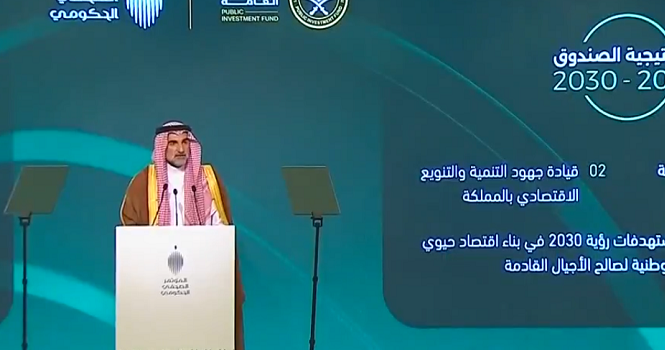
Public Investment Fund (PIF) Governor Yasir Al-Rumayyan confirmed that NEOM will now be classified as an independent unit within the sovereign wealth fund’s investment structure. This organizational change signals a move to streamline project delivery and refine capital oversight as the $500 billion development shifts from planning to physical construction.
The Logic of Structural Independence
By separating NEOM from the broader PIF portfolio, the fund is effectively ring-fencing the project to improve operational accountability. Al-Rumayyan noted that this classification helps the fund focus on execution timelines, which have become the primary concern for stakeholders involved in the massive infrastructure push. The move suggests a transition from a centralized management approach to a model where individual assets under the PIF umbrella must demonstrate clearer performance metrics and project-specific milestones.
This shift is not merely administrative. It reflects the reality of managing a massive, multi-decade capital deployment program where the sheer scale of the project could otherwise mask performance issues within the fund’s total balance sheet. Traders monitoring the PIF’s stock market analysis should interpret this as a signal that the kingdom is focusing on risk management as the project reaches its most capital-intensive phase.
Market Impact and Capital Flow
For global markets, the independence of NEOM suggests that the PIF may seek to attract external capital or project-specific financing more aggressively. If the entity operates as a standalone business unit, it becomes easier to market equity stakes or debt offerings to institutional partners. This could eventually lead to new investment vehicles or joint ventures that provide more transparency to the market than the current opaque sovereign wealth structure.
Investors should watch for the following developments as this new structure takes hold:
- Project Milestone Tracking: Increased pressure to hit construction targets to justify continued capital injections.
- External Funding Rounds: Potential for debt issuance or asset-level partnerships to diversify funding sources away from the central PIF treasury.
- Supply Chain Consolidation: Greater autonomy for NEOM to negotiate regional procurement and logistics deals without needing central PIF sign-off for every contract.
Broader Context for Traders
While the PIF maintains significant holdings in global tech and energy, the reorganization of its internal flagship projects indicates a tightening of fiscal discipline. As the fund manages its exposure across assets like Apple (AAPL) profile and NVIDIA profile, the internal demand for liquidity to fund NEOM’s construction remains a constant variable. If NEOM requires less direct support from the PIF’s liquid reserves because it is operating more efficiently, the fund may have more flexibility in its global portfolio allocation.
"Classifying NEOM as an independent ecosystem within the fund’s strategy is designed to ensure that the project remains a primary driver of the kingdom’s economic transformation while allowing for more focused management of its unique financial requirements," Al-Rumayyan stated.
Traders should continue to monitor the PIF’s quarterly disclosures for any shifts in their public equity positions, as these are often the first to be adjusted when capital is reallocated toward massive domestic infrastructure commitments. Expect the PIF to emphasize operational maturity at NEOM throughout the next fiscal cycle to attract the necessary private equity participation needed to complete the project’s later stages.
Ultimately, this move represents a transition toward a more mature project-finance model, moving away from a single-source funding mechanism toward a structure that prioritizes project-level viability.