Fitch Revises Cenomi Centres Outlook to Stable, Leverage Risk Recedes
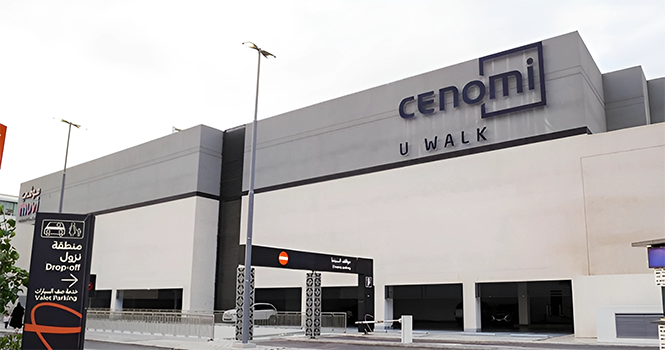
Fitch Ratings lifted Cenomi Centres' outlook to Stable from Negative, citing lower leverage and improved liquidity. The move removes near-term refinancing risks for the company's sukuk and loans.
Fitch Ratings on Friday revised Arabian Centres Co.'s (Cenomi Centres) outlook to Stable from Negative, affirming the company's long-term issuer default rating. The move signals that the Saudi REIT's credit profile has steadied after a period of elevated leverage tied to its mall expansion.
Fitch cited improved liquidity and lower debt-to-EBITDA metrics in its statement. The negative outlook had been in place since the company's acquisition spree in 2022, which pushed its leverage above the rating agency's downgrade trigger. The stable outlook reflects expectations that the ratio will hold near current levels over the next 12 to 18 months, Fitch said. Cash holdings and undrawn credit lines now cover the company's near-term maturities, reducing the risk of a distressed refinancing.
For holders of Cenomi's sukuk and floating-rate loans, the revision lowers the probability of a multi-notch downgrade that would have triggered higher coupon step-ups and collateral demands. The stock, listed on the Saudi Exchange, had sold off in early 2024 on fears of a covenant breach. Friday's action removes that binary tail risk for the near term.
What would confirm the improvement is a further reduction in leverage through asset sales or retained cash flow. Fitch expects the company's occupancy rates to remain above 85% through 2025, supported by the Kingdom's tourism and entertainment drive. A new acquisition push or a prolonged downturn in Saudi retail foot traffic that pressures rental income would weaken the case.
The next scheduled rating review is in the third quarter, when Fitch will reassess the company's half-year financials. Until then, the stable outlook gives Cenomi room to operate without the overhang of a negative watch.
Drafted by a large language model from the source reporting linked above, then screened by automated publishing checks. It is not read by a journalist before publication. Some articles cite our Alpha Score. Verify prices and figures against the original source. Educational coverage, not personalized advice.