First Trillionaire: Elon Musk's Fortune and the Policy That Let It Happen
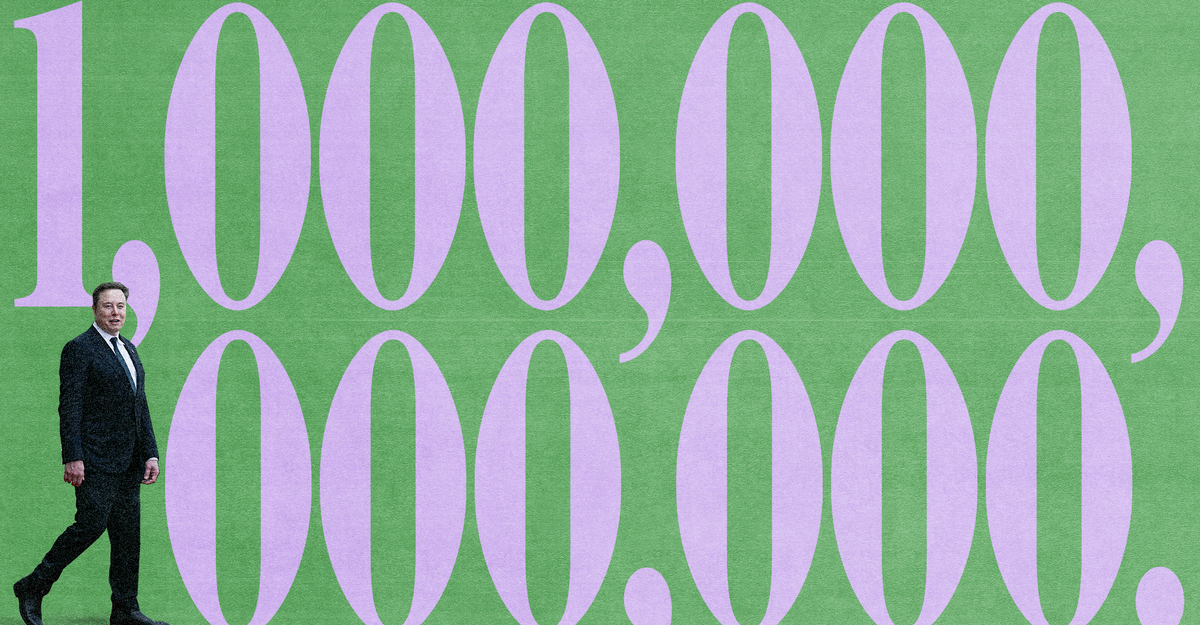
Elon Musk became the first trillionaire after SpaceX's IPO. Billionaire net worth surged 22% to $8.2 trillion in 2025, while average family wealth grew 40%. Policy choices drove the gap.
Elon Musk became the first trillionaire last month when SpaceX went public, according to Forbes. The milestone caps a century-long acceleration: it took 100 years to go from the first millionaire to the first billionaire, and another 100 to reach the trillionaire mark.
The numbers behind the trend show how the capital class has pulled away. The number of American billionaires has nearly doubled in a decade. Musk's net worth is up tenfold after inflation. The average family's wealth has grown a more moderate 40 percent. That is not a product of compound interest alone. It is a product of policy choices that amplify market inequality.
The policy infrastructure includes preferential treatment of investment income, low corporate taxes, the carried-interest loophole, estate-tax exemptions that have risen from $675,000 in 2001 to $15 million today, and weak antitrust enforcement. The top individual income-tax rate is less than half what it was in the 1940s and 1950s. The corporate rate is 14 percentage points lower than it was from 1993 until 2017. The United States does less to reduce inequality now than it did 15 or 50 years ago, and less than nearly any other high-income nation.
The result is extreme concentration. From 1989 to 2022, the wealth needed to join the top 1 percent climbed by $8.4 million. The threshold to hit the median rose by $83,000. The share of assets owned by the top 0.1 percent climbed from 8.6 percent to 14.4 percent. The share owned by the bottom 50 percent declined. In 2025 alone, the net worth of the country's billionaires increased 22 percent, from $6.7 trillion to $8.2 trillion. Musk is now worth roughly 30 percent more than the 400 richest Americans combined in 1989.
This concentration gives the hyper-wealthy outsize influence over laws, regulations, elections, and courts. Political scientists Eli Rau and Susan Stokes have found that higher income inequality increases the risk of electing power-aggrandizing leaders. Inequality erodes human capital and slows growth.
Policy created this; policy could reverse it. The beneficiaries have the resources to block change. For investors, the systemic risk is not Musk himself but the instability that extreme inequality generates. A broader stock market analysis can show how market structure shapes wealth distribution.
Drafted by a large language model from the source reporting linked above, then screened by automated publishing checks. It is not read by a journalist before publication. Some articles cite our Alpha Score. Verify prices and figures against the original source. Educational coverage, not personalized advice.