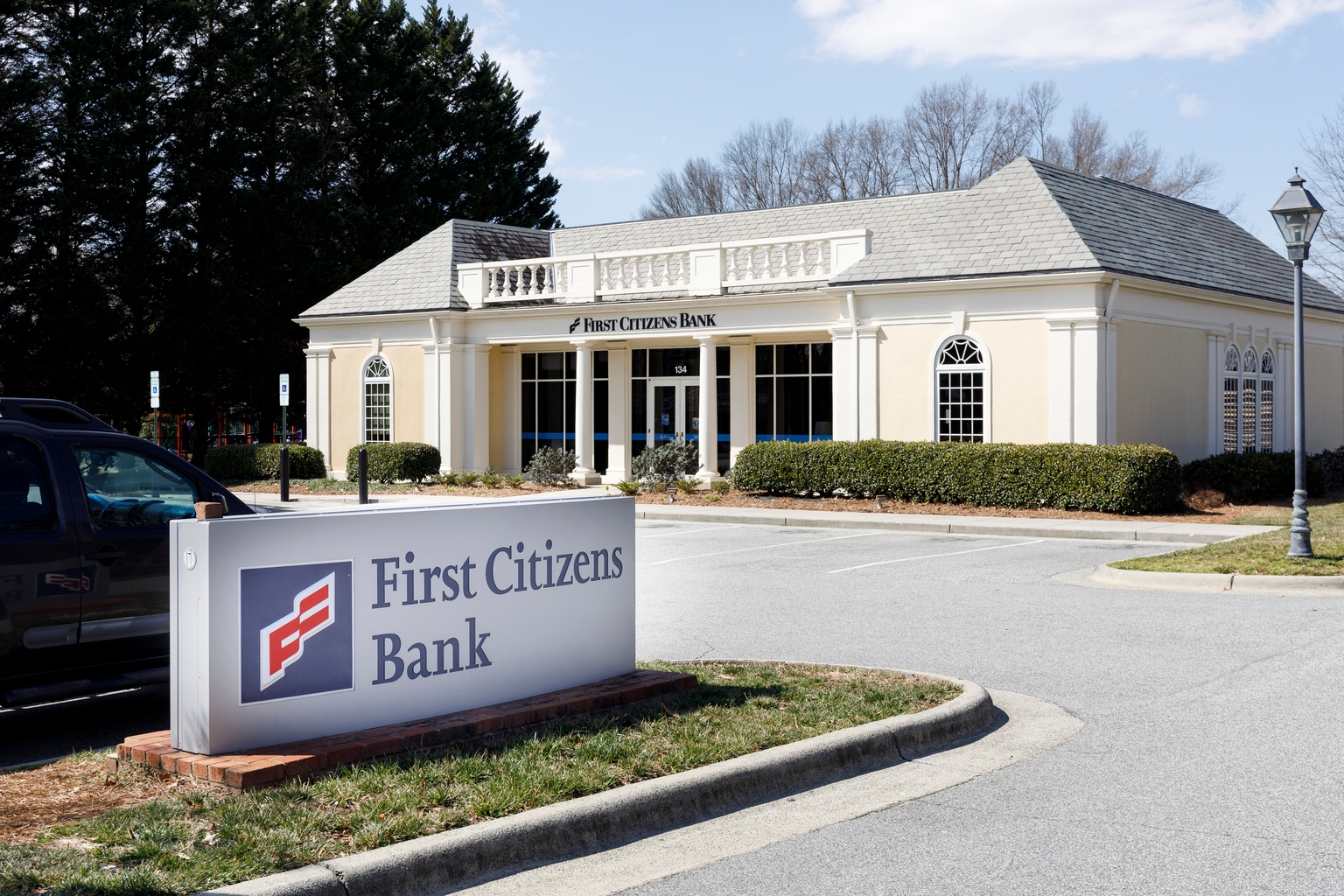
First Citizens Bancshares (FCNCA) faces a tightening margin environment as recent credit trends signal potential headwinds for the firm. While the stock has delivered a 11% gain over the past year, current performance metrics suggest that the rapid expansion phase following its recent acquisition activity is transitioning into a period of balance sheet consolidation. The primary narrative shift centers on the compression of net interest margins, which now serves as a ceiling for near-term profitability.
Credit Risk and Margin Compression
The core challenge for the bank involves managing the cost of funds against a backdrop of shifting credit quality. As the interest rate environment remains elevated, the bank must balance its loan growth objectives with the reality of rising provisions for credit losses. This dynamic creates a narrow path for earnings expansion, as the cost of maintaining liquidity begins to erode the gains previously captured from its expanded deposit base. Investors are now monitoring how these credit costs impact the bottom line, particularly as the bank navigates the integration of its larger asset portfolio.
Valuation and Operational Path
Valuation for FCNCA currently reflects a market that is pricing in both the benefits of its scale and the risks inherent in its current credit profile. With an Alpha Score of 50/100, the stock is currently labeled as Mixed, reflecting the tension between its established market position and the ongoing pressure on its financial margins. The bank is no longer in the aggressive acquisition mode that characterized its recent history, shifting the focus toward organic efficiency and risk management. This pivot is essential for maintaining investor confidence as the broader financial sector faces similar liquidity constraints.
For those tracking the FCNCA stock page, the next concrete marker will be the upcoming quarterly provision levels. Any deviation from current expectations regarding loan loss reserves will likely serve as the primary catalyst for the stock, either confirming the current cautious outlook or signaling a stabilization in credit quality. The bank must demonstrate that it can preserve its margin profile without sacrificing the quality of its loan book, a task that remains the central focus for the next two reporting cycles.
This analysis is part of our broader stock market analysis coverage, which tracks how regional financial institutions adapt to shifting interest rate cycles. As the sector matures, the ability to manage credit risk will differentiate the top performers from those struggling with margin compression.