Stocks● Neutral
Fino CEO's Early Retirement Clouds Small Bank Conversion
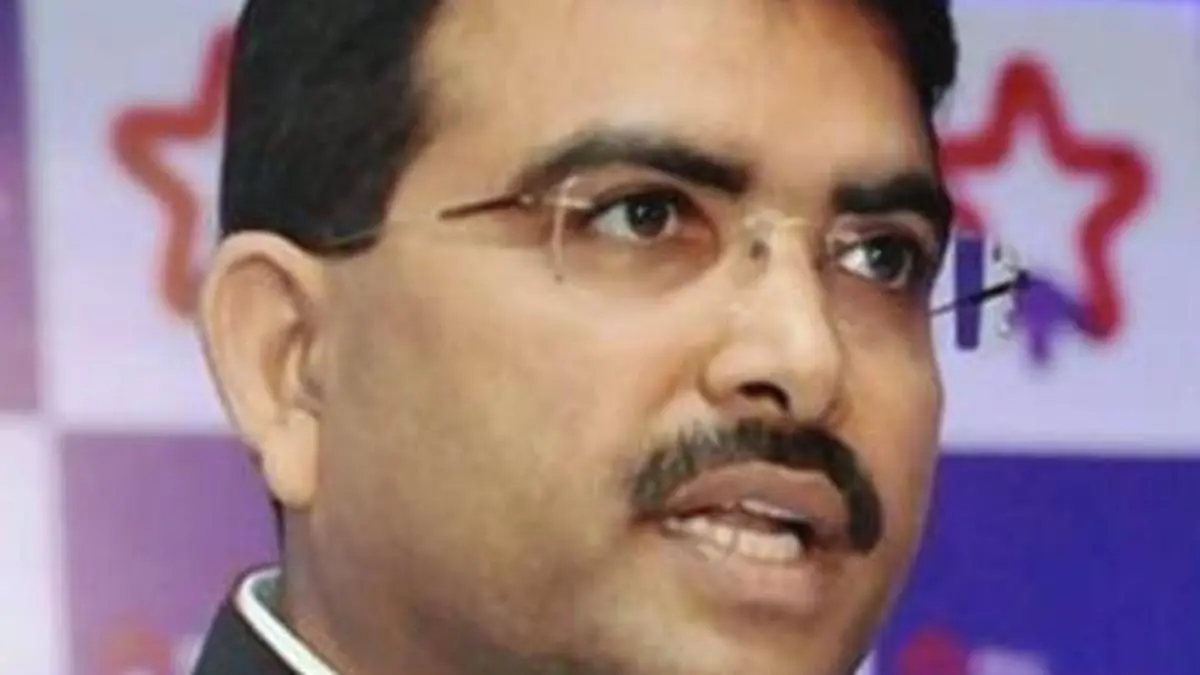
Fino CEO's retirement follows GST arrest. Leadership uncertainty with 3-month interim CEO as bank awaits small finance conversion.
Continue with
Rishi Gupta, managing director and CEO of Fino Payments Bank, has sought voluntary early retirement. The announcement came months after his arrest under India's goods and services tax (GST) law. Fino previously said the arrest was linked to an investigation involving its business partners, not the bank's own GST compliance. The departure introduces leadership uncertainty at a pivotal moment. The bank is pursuing a conversion to a small finance bank, a regulatory step that would expand its lending and deposit capabilities beyond the current restricted payments bank remit.
The board reviewed legal opinions and reports and concluded that Gupta remained "fit and proper" to continue as MD and CEO. That statement suggests the board did not push him out. Gupta himself said he wants to explore new avenues outside the lender without providing further detail. The arrest itself had already raised governance questions at a bank operating in a tightly regulated segment. Payments banks face strict limits on lending and deposit size, which is why the conversion to a small finance bank carries strategic weight. A CEO departure under these circumstances amplifies regulatory and execution risk for the conversion timeline.
Fino has extended Ketan Merchant's appointment as interim managing director and CEO for up to three months from May 27, subject to approval from the Reserve Bank of India. It also extended Anup Agarwal's interim CFO role for up to three months from July 6. The interim structure buys time without resolving the leadership vacuum. Investors now face a period of uncertainty where the bank's strategic direction rests on temporary appointments.