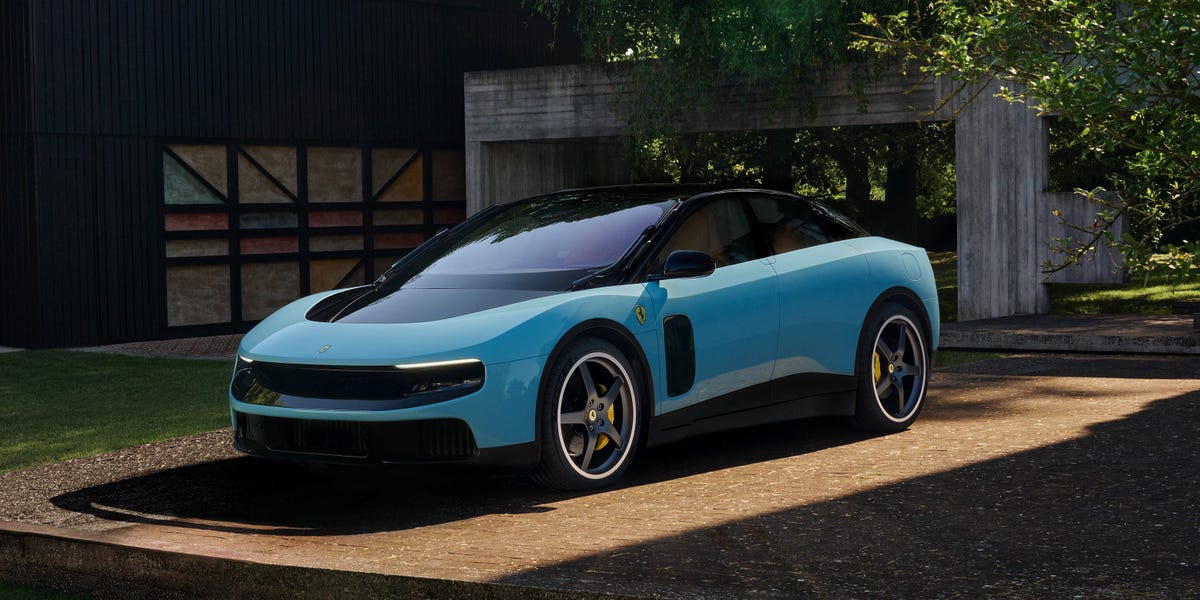
Ferrari N.V. (RACE) unveiled its first fully electric vehicle, the Luce, earlier this week. The reception among purists was immediate and hostile. For one collector, that backlash is a windfall. Fan outrage is redirecting demand toward classic Ferraris, pushing their prices higher. The dynamic is a textbook example of brand tension: a heritage marque entering the EV era risks alienating its core audience, and the resulting polarization can strengthen the secondary market for older models.
The source of the anger is familiar. Traditionalists argue that an EV dilutes the combustion-engine soul that built Ferrari's legend. Social media posts and enthusiast forums lit up with complaints. The noise has a tangible effect: it reinforces the scarcity premium on internal-combustion Ferraris. When a new model provokes strong negative sentiment, collectors often bid up the older generation as a hedge against perceived brand dilution.
Classic Ferraris: The Unintended Beneficiary
The mechanism is straightforward. Supply of vintage Ferraris is fixed – no new production will ever add to the count. The Luce backlash draws attention to the last of the pure V12 and V8 cars, creating a wave of buyer interest. Auction houses and private dealers report increased inquiries. One collector quoted in the source says the Luce has made him richer because the backlash stoked fan passion, directly lifting values of his holdings.
This effect is not unique to Ferrari. It mirrors what happened when Porsche launched the Cayenne SUV. Initial outrage among purists drove values of air-cooled 911s to record highs. The difference is that Ferrari's brand equity is even more tightly tied to exclusivity and heritage. The Luce, by violating that heritage narrative, paradoxically reinforces the premium on the cars that defined it.
RACE Stock: What the EV Launch Means for the Parent Company
Ferrari N.V. (RACE) trades as a luxury goods stock as much as an automaker. The Luce is critical to its growth strategy in markets with tightening EV mandates, such as the European Union and China. The backlash introduces execution risk. If the Luce fails to win over new buyers while alienating existing customers, the revenue contribution from EVs could fall short of targets. At the same time, rising values for classic Ferraris do not directly benefit the parent – Ferrari does not collect royalties on resales. The benefit flows to collectors and auction houses.
AlphaScala's RACE score sits at 46 out of 100, labeled Mixed, reflecting the uncertainty around how the EV pivot affects the core luxury brand equity. The stock remains in the Consumer Cyclical sector, subject to both economic sentiment and the success of the Luce launch cycle.
The Next Decision Point: Policy and Sentiment
The key question for both collectors and equity holders is whether the backlash is a short-term noise or a structural shift. If the Luce generates strong sales among new demographics – younger buyers, EV enthusiasts, or Chinese consumers – initial anger may fade and classic car prices could stabilize. If the controversy persists or worsens with delivery quality issues, the rally in vintage Ferraris could accelerate. The next concrete markers are first-quarter Luce delivery numbers and the results of the spring auction season. For now, the collector who loves the Luce for its impact on his portfolio has a clear thesis: brand conflict creates asset appreciation.