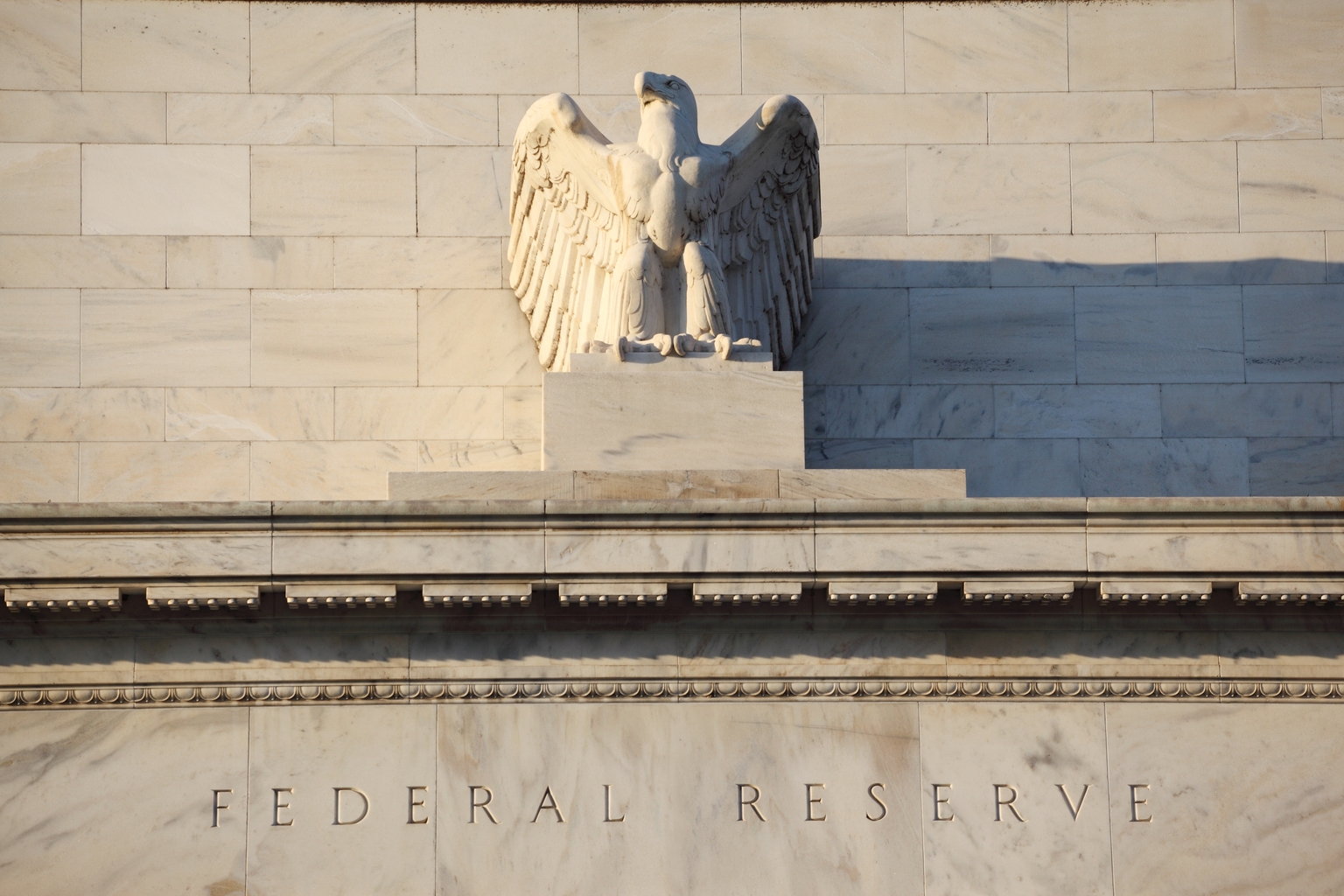
The Federal Reserve released the 2026 stress test results Wednesday evening, clearing all 31 large banks on capital adequacy. JPMorgan Chase (JPM) passed both the baseline and severely adverse scenarios, the Fed said, which removes the immediate regulatory constraint on share buybacks and dividends.
The stress test measures whether a bank can absorb $800 billion in hypothetical losses. The Fed's scenarios assumed unemployment peaking at 10% in 2027 and a 40% drop in commercial real estate prices. Under the worst case, JPMorgan's common equity tier 1 ratio fell to 9.2%, well above the 4.5% minimum required by regulators. That cushion lets management proceed with the $30 billion buyback program announced in January.
What changed with this year's test is the Fed's approach to operational risk. New rules require banks to model losses from third-party service disruptions, including cloud providers and payment processors. For JPMorgan, that adds roughly $3 billion to the projected loss pool. The bank already hosts much of its infrastructure internally, which helped contain the increment, executives said in a call after the results.
JPMorgan carries an Alpha Score of 57/100, labeled Moderate. The score reflects a company with solid capital ratios but narrowing net interest margins compared with peers, the proprietary model shows. The stock traded at $338.24 Thursday, up 1.44%. The broader stock market analysis still shows financials as a relative value play.
For the sector, the green light means a predictable capital-return cycle through 2027. The risk is on the revenue side. JPMorgan's net interest income has faced pressure from lower deposit costs and competition for commercial loans, its second-quarter filing showed. A stress test pass removes one uncertainty. It does not change the earnings trajectory.
The next concrete number for JPMorgan is the quarterly provision for credit losses, due alongside earnings in mid-October. If provisions come in below consensus, the buyback narrative gets real traction. If they tick up, the stress test relief is mostly optics.