Stocks● Neutral
Family Recipes Reshape Corporate Gifting Beyond Branded Swag
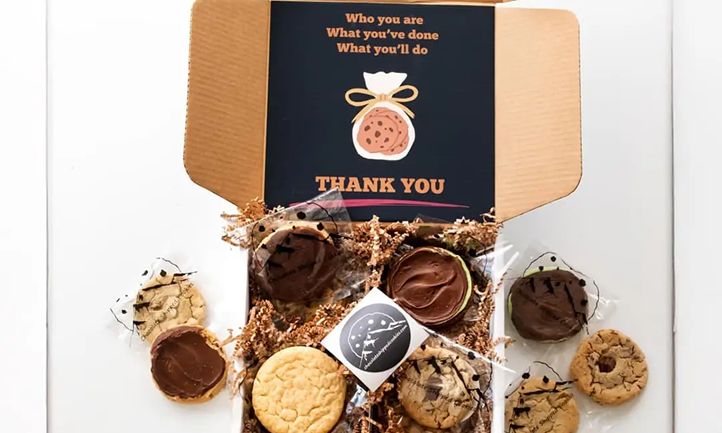
Chocolate Shipped Cookies uses family recipes from the 1980s to shift corporate gifting from branded swag to story-driven food boxes that build relationships and avoid the December crowding.
Continue with
Corporate gifting is shifting away from branded pens and logo-emblazoned coolers. The more effective play today centers on gifts that tell a story and feel personal rather than promotional.
Chocolate Shipped Cookies, a Utah-based family bakery, is capitalizing on that shift with summer-themed cookie assortments. The company ships nationwide using recipes that founder Matt Cutler's mother, Sandra Cutler, developed in the 1980s to support her family through holiday pop-up shops along Utah's Wasatch Front.
Key insight: The gift's backstory is the differentiator. A cookie that tastes homemade is only half the value. The other half is the narrative of a single mother building a business from her kitchen over four decades.
Why Cheap Corporate Swag Loses to a Hand-Packed Cookie Box
Companies are moving away from mass-produced swag for a practical reason: cheap gifts end up in the trash. A baseball cap or a bottle of sunscreen communicates that the sender checked a box on a procurement list.
"Cheap corporate gifts have been making their way to trash bins and junk drawers for too long," Cutler told RestaurantNews.com. "We work with a lot of companies that are moving beyond branded gadgets toward higher quality gifts that suggest something about their ethos and emphasize relationship-building."
The mechanism here is reciprocity psychology tied to perceived effort. A recipient who receives a mass-produced item infers low sender effort. A recipient who receives a hand-packed, family-recipe cookie box infers higher sender effort and responds with stronger brand loyalty.
The Summer Timing Advantage
Most corporate gifts arrive in December. That creates a jammed inbox – literally and figuratively – where individual gifts compete for attention.
Summer delivery flips that dynamic. A cookie box arriving in July to an unsuspecting client lands in a low-distraction period. The surprise element amplifies the emotional impact. Chocolate Shipped Cookies' simplified ordering process – pick flavors, enter shipping info, add a note, choose expedited shipping – reduces friction for corporate buyers who want to send Q2 or Q3 goodwill without the December rush.
What the Simple Read Misses About This Shift
The simple read is that cookies are a good gift. That is true and incomplete.
The better market read examines the corporate gifting supply chain. Traditional promotional product distributors operate on low-margin, high-volume models. Custom-printed items require minimum order quantities, long lead times, and inventory management. A branded umbrella ordered in June for an August conference cannot be reallocated if the conference cancels.
Chocolate Shipped Cookies operates on a made-to-order, no-inventory model. The company bakes fresh for each order and ships directly to the recipient. That eliminates warehousing risk, obsolescence risk, and the awkwardness of a branded item the recipient does not want.
Practical rule: The best corporate gift is one the recipient would choose for themselves. Chocolate Shipped Cookies' product – gourmet cookies – passes that test because the recipient keeps the experience, not a logo.