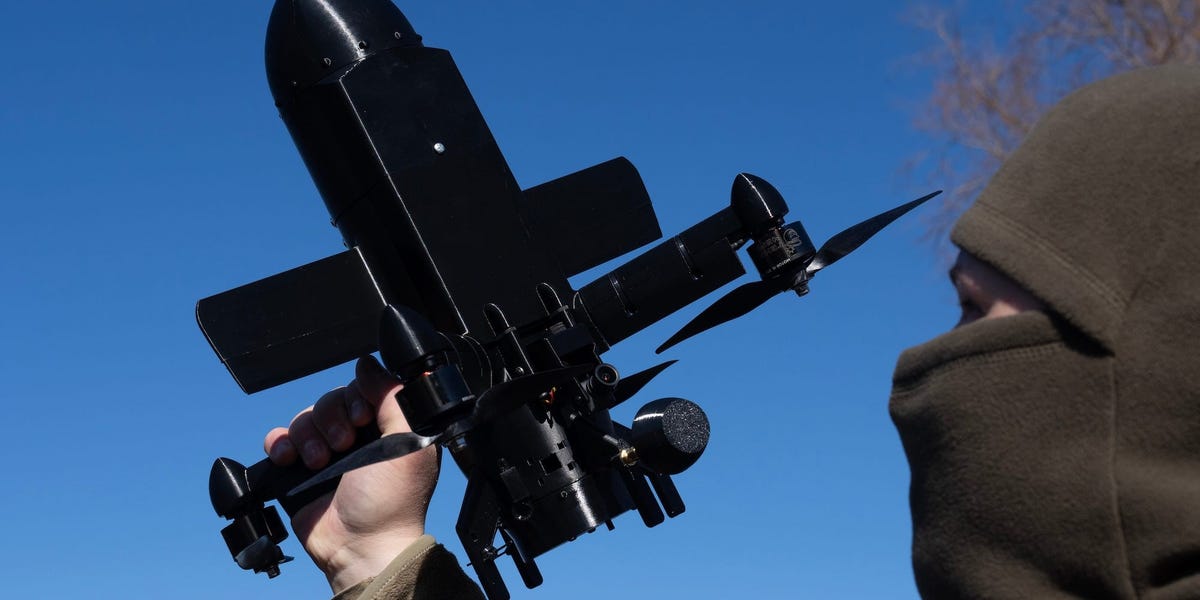
The rapid evolution of drone warfare has placed Ukrainian defense manufacturers at a critical juncture. While their systems have undergone extensive field testing against Iranian-designed hardware, these companies now face a structural barrier to scaling their operations. The inability to secure export permits for their battle-proven interceptor technology threatens to sideline these firms just as global demand for counter-drone solutions reaches a peak.
The Export Constraint on Defense Scaling
Ukrainian drone manufacturers have developed specialized interceptors designed to neutralize low-cost, high-volume threats. These systems have matured through necessity, providing a unique data set on the performance of Iranian-origin drones in contested environments. However, the current regulatory framework restricts these companies from selling their technology to international partners. This creates a strategic mismatch where the product is highly relevant to current global security needs, yet the business model remains confined to domestic procurement.
Without the ability to export, these firms struggle to achieve the economies of scale necessary to lower unit costs and accelerate research and development. The window of opportunity is defined by the current geopolitical climate, where nations are actively seeking cost-effective alternatives to traditional air defense systems. If these Ukrainian manufacturers cannot transition from domestic suppliers to global exporters, they risk being supplanted by larger, more established defense contractors who are currently rushing to fill the same market gap.
Competitive Positioning in the Counter-Drone Sector
The broader defense sector is currently grappling with the shift toward asymmetric warfare. As traditional air defense assets become increasingly expensive to deploy against inexpensive drones, the market is pivoting toward specialized interceptors. This shift is visible across the industrial landscape, where companies like Bloom Energy Corp BE stock page are navigating their own sector-specific challenges, currently holding an Alpha Score of 46/100. Similarly, firms in the healthcare space like Agilent Technologies, Inc. A stock page maintain different risk profiles, with an Alpha Score of 55/100.
For the Ukrainian drone sector, the path forward depends on the resolution of export policy. The following factors will determine whether these companies can capture international market share:
- The speed of government-led regulatory reform regarding defense exports.
- The ability to establish manufacturing partnerships outside of active conflict zones.
- The integration of combat-tested software updates into export-ready hardware.
The Next Strategic Marker
The immediate challenge for these firms is not technical, but political. The next marker for this sector will be the introduction of any legislative changes that simplify the export process for defense-related technology. Investors and industry observers should monitor upcoming government directives regarding the privatization or internationalization of defense contracts. Any shift in policy that allows for the legal export of these interceptors would fundamentally change the growth trajectory for these companies, moving them from localized suppliers to participants in the global defense supply chain. The inability to resolve these bottlenecks in the coming months will likely force these companies to remain dependent on domestic funding, limiting their ability to compete with international peers who are already scaling production to meet the rising demand for anti-drone capabilities.