India's electric two-wheeler market is hitting a wall that looks like success. Waiting periods have stretched past 30 days across multiple brands, and manufacturers are racing to add capacity, the Federation of Automobile Dealers Associations (FADA) said. The dealers' body cited a sharp rise in bookings, with the crunch varying by brand and region.
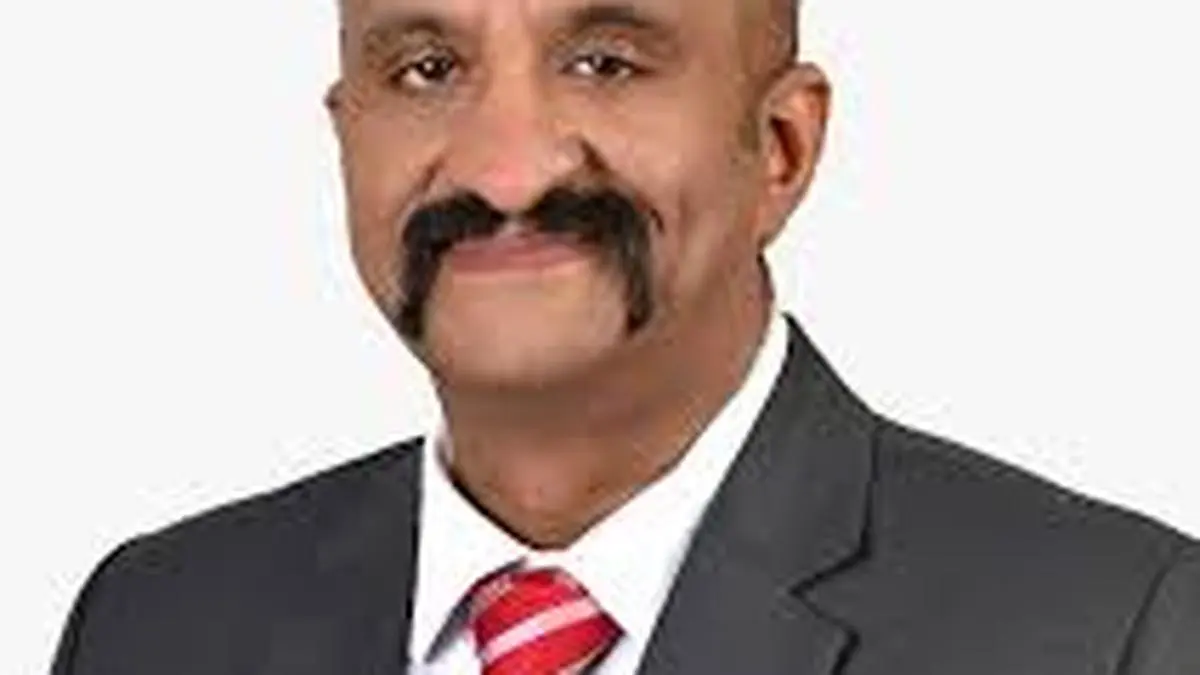
FADA President CS Vigneshwar said his own dealership is seeing wait times of nearly two months. Brands like Hero and TVS are in the same boat. “Capacity has to be increased,” he told businessline. “Availability of batteries and chips could also become a challenge because much of the supply chain is still dependent on imports.”
That supply bottleneck is worth watching. If production can't keep pace, the waiting periods themselves could cap demand growth – customers might switch to petrol models or delay purchases. For now, the momentum is strong. The Centre's PM E-DRIVE scheme and state-level EV policies are expected to keep pushing bookings higher.
The fuel mix signals a deeper shift
The EV surge is just one piece of a bigger transition in India's passenger vehicle market. FADA's June retail data shows alternative powertrains – CNG, hybrids, and electric vehicles – took 40.35% of registrations, the first time they have crossed the 40% mark. Petrol's share fell to 43.63% from 47.68% a year earlier. Diesel dropped to 16.02% from 18.74%.
CNG was the biggest gainer, rising 3.51 percentage points to 24.33%. EVs added 2.95 points to reach 7.75%. Hybrids crept up to 8.27% from 7.97%. The takeaway: India's road to lower emissions runs on multiple fuels, not just electrons.
Vigneshwar expects CNG, hybrids, and EVs together to exceed 50% of passenger vehicle sales within two to three years. “Ten years ago nearly 95 percent of the market was petrol and diesel,” he said.
Confirming and invalidating factors
What would confirm the shift – Waiting periods persist or widen as production ramps up. Manufacturers announce new EV and CNG model launches. Battery and chip imports show no major disruption.
What would weaken it – Waiting periods start shrinking because demand softens, not because supply catches up. The government delays PM E-DRIVE funding or state policies stall. Import costs for batteries or semiconductors spike, squeezing margins and forcing price hikes.
The dealer's view on E20 noise
Public debate around E20 petrol – 20% ethanol blend – has not materially changed buying patterns, Vigneshwar said. Most customers rely on automaker and government assurances. The real EV buying drivers remain lower running costs and a broader product range.
He did note that official communication about the E20 transition could have started earlier. Misinformation on social media filled the gap. That is a lesson for the next policy push.
What to track next
The next concrete marker is production data from Hero MotoCorp, TVS Motor, and Bajaj Auto. Monthly dispatches above year-ago levels by more than 30% would signal that supply is starting to match demand. Below that, waiting periods stay elevated and dealers keep turning away customers.
State EV policy rollouts are another trigger. If Maharashtra or Gujarat announce fresh incentives, expect another leg of booking growth and longer wait times.
For a trader positioning around this theme, the critical variable is not demand – that seems secure. It is whether the supply chain can scale fast enough to turn backlog into revenue without burning margins. The battery and chip constraints Vigneshwar flagged are worth watching month by month.