Stocks● Neutral
Europe's Drone Vulnerability Triggers Defense Procurement Shift
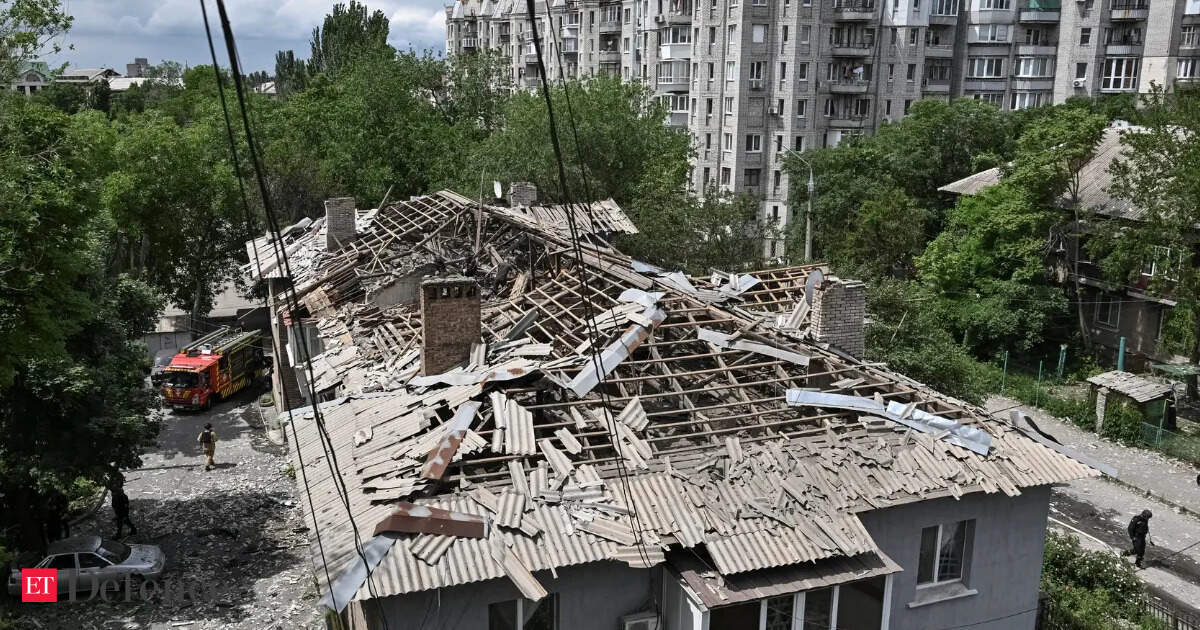
A Russian drone crash in Romania underscores Europe's vulnerability. With US presence scaling back, frontline states accelerate anti-drone purchases, creating a catalyst for defense contractors.
Continue with
A Russian drone crashed in Romania last week. The incident was not a one-off event. Drone incursions across European airspace have become a near-daily reality, and the crash site sat just a few kilometers from a NATO member's border.
European leaders have pledged to strengthen defenses. The gap between those pledges and an adequate response remains wide. The United States is pulling back its military footprint in the region, which forces Europe's own defense budgets to fill the gap faster than planned.
The Procurement Trigger: Anti-Drone Systems
Frontline countries – Poland, Romania, the Baltic states – are now accelerating purchases of counter-unmanned aerial systems (C-UAS) . These are not hypothetical future orders. They are active tenders and direct contracts that defense ministries are pushing through standard acquisition cycles.
The mechanism is straightforward. Drone incidents create political urgency. Political urgency shortens procurement timelines. Shorter timelines pull revenue forward for the contractors that already have field-tested systems. European defense companies with mature C-UAS products are the direct beneficiaries.
A clear cause-and-effect chain now links each drone incident to a future procurement decision. Every crash or incursion reinforces the argument that electronic warfare, jamming systems, and kinetic interceptors are not optional upgrades but baseline requirements. The US drawdown removes the safety net that Europe relied on during the first two years of the Ukraine war. Now each frontline state must either buy its own anti-drone coverage or accept the risk of unprotected airspace.