European Carmakers Face Choice on China, Emerging Markets
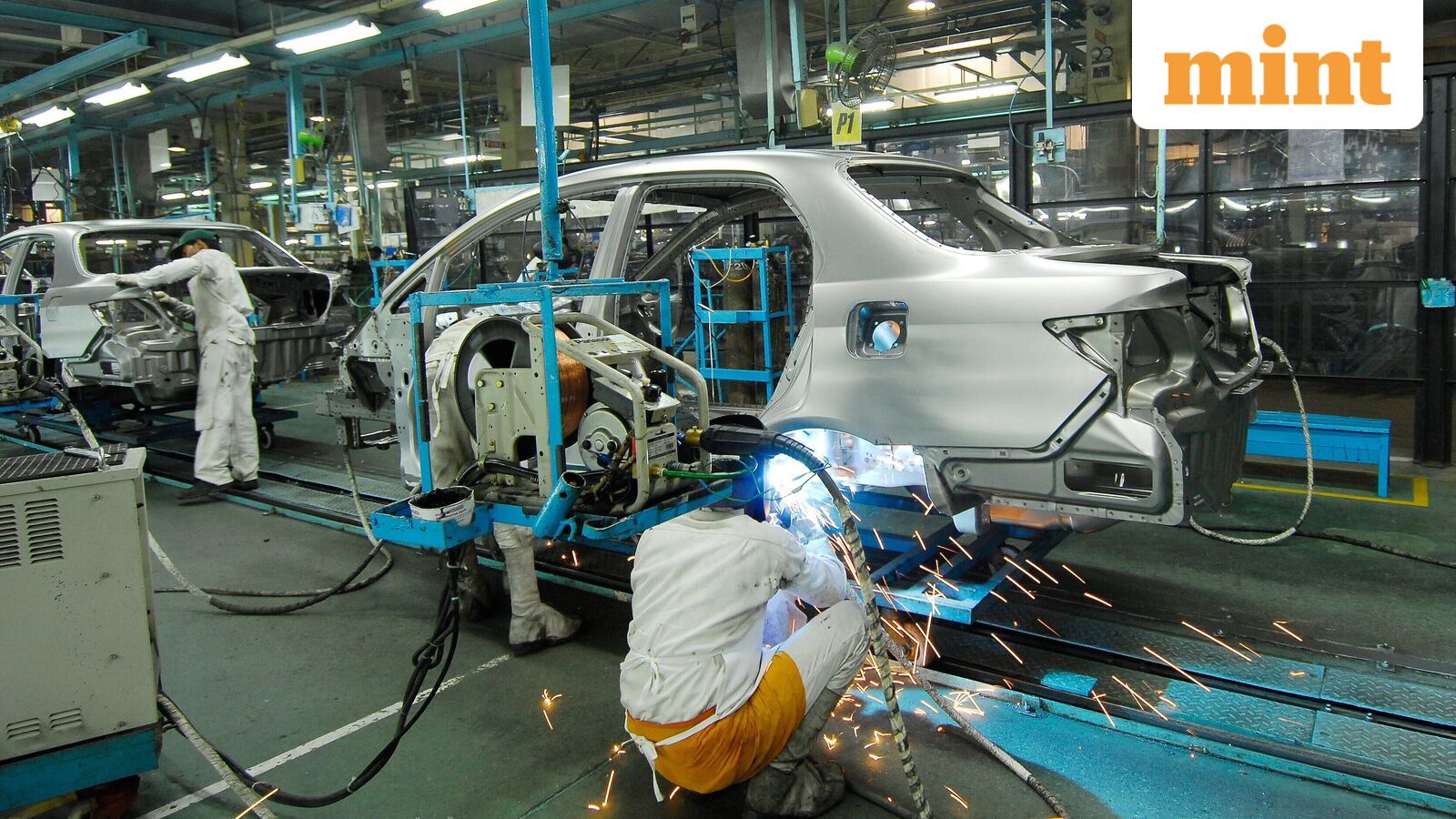
A Bloomberg column argues European automakers must shift focus from China to the world's next billion drivers or risk losing those markets to Chinese EV rivals like BYD and Geely.
Alpha Score of 46 reflects weak overall profile with weak momentum, moderate value, moderate quality. Based on 3 of 4 signals — score is capped at 90 until remaining data ingests.
European carmakers face a strategic fork as China's growth as an auto market fades and Chinese EV makers push into emerging markets, a Bloomberg Opinion column argued this week.
David Fickling, the column's author, laid out a stark choice for Volkswagen, Stellantis and Mercedes-Benz. China's labour force has shrunk by about 13 million people since 2021. Urban population growth has plateaued near 950 million. Auto sales have declined since late last year. The days of relying on China as a growth engine are over, Fickling wrote.
The fastest-growing auto markets over the next decade are likely to be in India, Latin America, Southeast Asia, West Asia and North Africa. European legacy brands still hold strong positions there. Volkswagen more or less created Brazil's auto market. Fiat and Jeep dominate under Stellantis. Mercedes-Benz, BMW and Audi are synonymous with premium cars in West Asia and India. Chinese EV makers such as BYD, Geely and Chery have been rushing into those same markets, offering electrified models at lower prices.
European executives are torn. In Brazil, Stellantis CEO Herlander Zola told investors in May that the company would defend its market share in petrol-powered entry-level Fiats and Ram pickups. The bet is that Chinese carmakers will not compete in those segments. Volkswagen appears more forward-looking. It spent three years overhauling its strategy to design and build more vehicles "in China, for China," and has recently talked about using its Chinese operations as an "export hub" for the global south.
What is working, the column noted, has been the approach taken by Mercedes-Benz's Smart brand, BMW's Mini and Volkswagen's Audi. All three turned their Chinese factories into export hubs by leaning heavily into electrification and maintaining deep ties with local partners.
The tension between economic self-interest and European manufacturing pride has slowed the industry. Fickling argued that the best way to target cost-conscious consumers in emerging markets would be to use Chinese industrial bases to produce electrified models at speeds and prices matching BYD and Chery. Instead, many carmakers are sticking with what worked five years ago.
Stellantis's defensive posture in Latin America may not be enough. STLA carries an Alpha Score of 46 out of 100, indicating a mixed risk-reward profile in a sector facing rapid technological change. The company's strong brand presence in Brazil and its focus on petrol-powered entries may buy time, but Chinese rivals are not standing still.
The column's conclusion: pairing Europe's design and brand strength with Chinese battery technology and low-cost manufacturing is the only path that offers a sustainable future for capturing the next wave of global auto demand. European carmakers still have time to change course, Fickling wrote.
Drafted by a large language model from the source reporting linked above, then screened by automated publishing checks. It is not read by a journalist before publication. Some articles cite our Alpha Score. Verify prices and figures against the original source. Educational coverage, not personalized advice.